Anna Boleyn
"Lubitsch's Tudor tragedy before Hollywood"
Keys: Space play/pause · ←/→ 10s · F fullscreen · M mute · </> speed
About this film
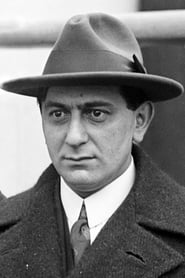
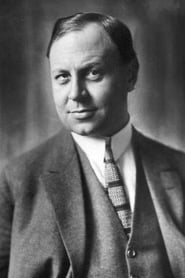
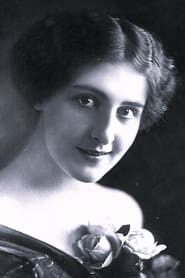
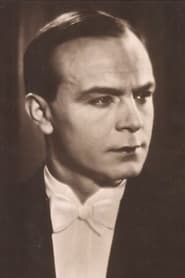
Ernst Lubitsch's German historical epic follows Anne Boleyn from her arrival at Henry VIII's court through marriage, political intrigue, and execution. Emil Jannings plays the aging king and Henny Porten the ill-fated queen in a lavish PAGU production that helped establish Lubitsch's international reputation before his move to Hollywood.
Cast & crew
More films like this
More History films
View all →


More from Ernst Lubitsch
View all →
More about this film
About the production
Release dateSeptember 3, 1920 (Berlin premiere)
BudgetNot precisely documented, but typical of major German productions of the era
Box officeSuccessful in Germany and internationally, contributing to Lubitsch's growing reputation
ProductionProjektions-AG Union (PAGU)
Filmed inBerlin, Germany (studio filming)
This was one of Lubitsch's final German films before his move to Hollywood in 1922. The production featured elaborate sets and costumes designed to recreate the Tudor court with historical accuracy. Emil Jannings underwent significant makeup and costume transformations to portray the aging Henry VIII. The film was part of a series of historical epics Lubitsch made in Germany that showcased his developing visual style and attention to historical detail.
Themes
Abuse of powerVulnerability of women in patriarchal societiesConflict between personal desire and political necessityTragic consequences of political intrigueReligious conflict and reform
Themes & topics
Historical dramaTudor EnglandAnne BoleynHenry VIIIRoyal courtExecutionPolitical intrigueForbidden lovePower dynamicsReligious conflictBetrayalTragedyMonarchy16th centuryMarriageDivorceBeheadingCourt politicsObsessionDownfall
Historical background
Anna Boleyn premiered in Berlin in September 1920, when German studios were investing heavily in costume spectacles to compete in export markets. The film appeared in the United States as Deception.
Why this film matters
'Anna Boleyn' represents an important milestone in the career of Ernst Lubitsch and in the development of international cinema. The film presents the emerging 'Lubitsch Touch' – his distinctive blend of wit, elegance, and visual sophistication – even in a serious historical drama. The film was significant in establishing Lubitsch's international reputation, directly leading to his invitation to work in Hollywood where he would become celebrated directors of his era. It also contributed to the popularity of historical epics in the 1920s, demonstrating how historical subjects could be used to explore contemporary themes of power, gender, and political manipulation. The film's success in international markets helped establish German cinema's reputation for quality and innovation during the Weimar period. Additionally, the performances of Emil Jannings and Henny Porten in contributed to their status as major international stars, with Jannings later becoming the first recipient of the Academy Award for Best Actor. The film's visual style and approach to historical storytelling influenced subsequent historical films in both Germany and Hollywood, particularly in its balance of spectacle and intimate human drama.
Making of
The production of 'Anna Boleyn' took place during the Golden Age of German cinema, a period of remarkable creativity and technical innovation. Ernst Lubitsch, already established as a major director in Germany, brought his meticulous attention to detail and visual storytelling to this historical drama. The casting of Emil Jannings as Henry VIII was particularly significant, as Jannings was renowned for his ability to transform physically and psychologically for his roles. For, Jannings underwent extensive makeup application to age him appropriately for the role of the increasingly corpulent and tyrannical king. Henny Porten, who played Anne Boleyn, was not only a major star but also had significant creative input in her films, which was unusual for actresses of the time. The production faced challenges in recreating 16th-century England on German studio sets, but the design team led by Ernst Stern created elaborate and historically detailed sets that impressed contemporary critics. Lubitsch was known for his perfectionism on set, often requiring multiple takes to achieve the precise emotional tone and visual composition he wanted. The film's success was due in part to Lubitsch's ability to blend historical spectacle with intimate character drama, making the historical figures relatable to contemporary audiences while maintaining the grandeur expected of a historical epic.
What critics said
Contemporary German critics praised Jannings and Porten; Lubitsch's staging of court ceremony drew notice. Modern scholars cite the film as a key step toward the director's mature style in historical drama.
Did you know?
- This was one of Ernst Lubitsch's final German films before moving to Hollywood in 1922, where he would become celebrated directors in American cinema
- Emil Jannings' portrayal of Henry VIII was so powerful that he would later become the first recipient of the Academy Award for Best Actor
- The film was released in the United States under the title 'Deception' to appeal to American audiences
- Henny Porten, who played Anne Boleyn, was one of Germany's biggest female film stars of the 1910s and 1920s, often called the 'German Mary Pickford'
- The film's intertitles were written by Hanns Kräly, who frequently collaborated with Lubitsch and would later move to Hollywood with him
- Despite being a silent film, it was known for its emotional intensity and the powerful performances of its lead actors
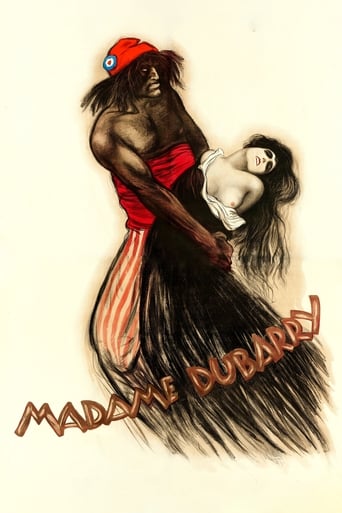
- The film was part of Lubitsch's series of historical epics that included 'Madame Dubarry' (1919) and helped establish his international reputation
- The elaborate costumes and sets were designed by Ernst Stern, a prominent set designer who worked on many of Lubitsch's German films
- Some scenes featured innovative camera techniques for the time, including tracking shots that were technically challenging but visually effective
- The film's success helped establish the popularity of historical costume dramas in international cinema during the 1920s
Visual style
The cinematography of 'Anna Boleyn' reflects the sophisticated visual style that was characteristic of German cinema during the Weimar period. The film features elaborate lighting schemes that create dramatic shadows and highlights, enhancing the emotional intensity of key scenes and reinforcing the psychological states of the characters. The camera work includes innovative techniques for the time, including tracking shots and dynamic camera movements that add visual interest and emotional impact to the narrative. The composition of shots is carefully considered, with the use of architectural elements and spatial relationships to reinforce the power dynamics between characters, particularly in scenes between Henry VIII and Anne Boleyn. The film's visual style also includes elaborate set designs and costumes that recreate the Tudor period with historical accuracy while also serving the dramatic needs of the story. The cinematography contributes significantly to the film's emotional impact, using visual techniques to convey the psychological states of the characters and the dramatic tension of the narrative, particularly in the climactic scenes of Anne's trial and execution.
Innovations
'Anna Boleyn' showcased several technical achievements that were notable for its time. The film's elaborate set designs and costumes demonstrated the German film industry's ability to produce historical spectacles on a grand scale, with particular attention to historical accuracy in recreating the Tudor court. The lighting techniques used in the film were innovative for the period, creating dramatic visual effects that enhanced the emotional impact of the story, particularly in scenes of confrontation and emotional intensity. The camera work included tracking shots and dynamic movements that were technically challenging but effective in creating visual interest and dramatic tension. The film's editing techniques, particularly in the dramatic sequences, demonstrated a sophisticated understanding of cinematic rhythm and pacing. The film also featured special effects and makeup techniques that were advanced for the time, particularly in the transformation of Emil Jannings into the aging Henry VIII. These technical achievements contributed to the film's critical acclaim and commercial success, and demonstrated the technical sophistication of German cinema during the Weimar period, helping establish its reputation for innovation and quality.
Music
As a silent film, 'Anna Boleyn' would have been accompanied by live musical performance during its original theatrical run. While the specific musical score used for the film is not well-documented, it would have been typical for a film of this scale and importance to have an original score or a compilation of classical music specifically arranged for the film. The music would have been performed by an orchestra in larger theaters or by a pianist or organist in smaller venues. The score would have been designed to enhance the emotional impact of the film, underscoring the dramatic moments and contributing to the overall atmosphere of the production. The music would have been particularly important in conveying the emotional states of the characters and the dramatic tension of the story, given that there was no spoken dialogue in the film. The musical accompaniment would have varied between theaters, with each venue providing their own interpretation of appropriate music for the film's various scenes, from the romantic moments between Henry and Anne to the dramatic tension of Anne's trial and execution.
Famous quotes
Though a silent film, intertitles would have included key declarations such as Henry's obsession: 'I must have this woman, though it tear the kingdom apart'
Anne's defiance: 'I am Queen of England, and I will not bow to false accusations'
The court's judgment: 'Anne Boleyn, you are sentenced to death for treason against your King and country'
Henry's regret: 'What have I done in the name of desire?'
Anne's final words: 'I die a Queen of England, but innocent of the crimes laid against me'
Memorable scenes
- Anne's execution scene, portrayed with dramatic intensity showing her dignity and courage in the face of death
- Henry's first encounter with Anne where he becomes immediately captivated by her beauty and charm
- The coronation scene showing Anne's triumph as she becomes queen, contrasting with her later downfall
- The confrontation between Henry and Anne after her arrest, showing the emotional complexity of their relationship
- Anne's trial where she maintains her innocence despite overwhelming political pressure against her
- The scene where Henry decides to break with the Catholic Church to marry Anne, showing the momentous historical consequences
- Anne's final moments in the Tower of London, contemplating her fate with remarkable composure
What audiences thought
'Anna Boleyn' was well-received by audiences both in Germany and internationally, contributing to Lubitsch's growing reputation as a director of international stature. The film's dramatic story of love, power, and betrayal resonated with contemporary audiences, and the performances of the star cast drew crowds to theaters throughout Germany. The film's success in international markets, particularly in the United States where it was released as 'Deception,' demonstrated the growing appeal of German films to global audiences. The combination of historical spectacle and emotional drama proved particularly appealing to audiences of the time, who were drawn to films that offered both visual grandeur and compelling human stories. The film's box office success helped establish it as one of the significant German film productions of 1920 and contributed to the growing recognition of German cinema as a major cultural force in the early 1920s. Audience reactions to the film's tragic ending and Anne Boleyn's fate were particularly strong, with many viewers moved by the emotional intensity of the final scenes.
Film connections
Influenced by
- German theatrical traditions
- European historical epic tradition
- Italian historical films
- Contemporary German expressionist cinema
- Shakespearean historical plays
- Victorian historical novels
- Earlier German historical films
This film influenced
- The Private Life of Henry VIII (1933)
- Anne of the Thousand Days (1969)
- A Man for All Seasons (1966)
- Elizabeth (1998)
- The Other Boleyn Girl (2008)
- Madame Dubarry (1919)
- Subsequent Lubitsch Hollywood films
Film restoration
Unfortunately, 'Anna Boleyn' is considered a partially lost film, with only fragments and selected scenes surviving to the present day. The film has been partially reconstructed from surviving materials held by various film archives, particularly in Germany and the United States, but it is not available in its complete original form. The surviving elements have been preserved by film archives including the Bundesarchiv-Filmarchiv in Berlin and the Museum of Modern Art in New York. Efforts have been made to restore and preserve the surviving footage, but the film as originally released is not available in its entirety. The partial loss of this significant Lubitsch film represents a tragic gap in the preservation of early German cinema and Lubitsch's filmography, as it was one of his most acclaimed German productions before his move to Hollywood.
Where to watch
- Due to its partially lost status, 'Anna Boleyn' is not widely commercially available
- Film archives occasionally screen surviving fragments during special silent film retrospectives
- Some reconstructed versions may be available through film archives or specialty distributors of classic and silent films
- The film might be included in special collections of Lubitsch's work or German silent films available through educational institutions
- Viewers should check with film archives, museums, or classic film organizations for potential screenings or availability
- Selected fragments may appear in documentaries about Lubitsch or German silent cinema