Films
1 film
About Maria Reisenhofer
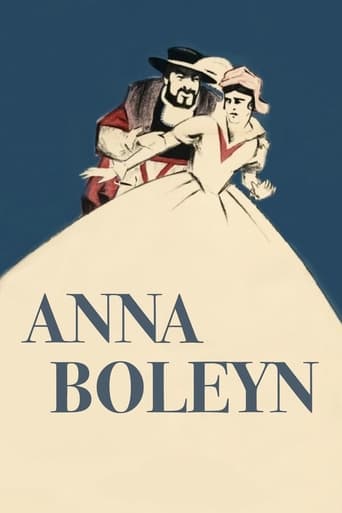
German actress active during the silent film era, best known for her role in the historical drama 'Anna Boleyn' (1920), directed by Ernst Lubitsch. While her filmography appears to be limited, her participation in this significant German production places her within the context of the country's golden age of silent cinema. The film 'Anna Boleyn' was one of Lubitsch's major historical epics before he moved to Hollywood, and Reisenhofer was part of the ensemble cast that brought this Tudor court drama to life. Her career appears to have been brief, possibly confined to the early 1920s when German cinema was experiencing its artistic peak with expressionist and historical films. Like many supporting actors of the silent era, detailed records of her life and career are scarce, but her contribution to this important film represents her legacy in cinema history.
The Craft
On Screen
As a silent film actress, Reisenhofer would have employed the exaggerated gestures and facial expressions typical of the era, using physical performance to convey emotion and character in the absence of dialogue. Her role in a historical drama would have required period-appropriate movement and deportment.
Milestones
- Appeared in Ernst Lubitsch's historical epic 'Anna Boleyn' (1920)
- Part of German silent cinema during its artistic peak
Best Known For
Iconic Roles
Must-See Films
Working Relationships
Worked Often With
Studios
Why They Matter
Impact on Culture
Maria Reisenhofer's contribution to cinema, while seemingly minor, represents the collective effort of countless supporting actors who helped build the foundation of early film. Her participation in 'Anna Boleyn' places her within the context of Germany's influential silent film period, which produced groundbreaking works that influenced cinema worldwide. The film itself was significant as one of Lubitsch's German productions before his Hollywood career, and all cast members contributed to this important transitional work in film history.
Lasting Legacy
Maria Reisenhofer's legacy is preserved through her participation in 'Anna Boleyn' (1920), a film that stands as an important example of German historical cinema of the silent era. While she may not have achieved the fame of leading actors like Henny Porten, her contribution to this significant production ensures her place in film history as part of the ensemble that helped create one of Ernst Lubitsch's major German works.
Who They Inspired
As a supporting actress from the silent era with limited documented career information, specific influences on other performers are difficult to trace. However, like all actors of her generation, she contributed to the development of film acting techniques that would evolve from the exaggerated style of silent films to the more naturalistic performances of the sound era.
Off Screen
Very little documented information exists about Maria Reisenhofer's personal life, which was common for supporting actors in early cinema who did not achieve major stardom. Her brief documented career suggests she may have been a character actress or someone who appeared in films for a short period before pursuing other interests or returning to stage work.
Did You Know?
- Appeared in 'Anna Boleyn' (1920), which was one of Ernst Lubitsch's last major German films before moving to Hollywood
- The film 'Anna Boleyn' was a significant historical drama depicting the tragic story of Henry VIII's second wife
- Her career appears to have been confined to the early 1920s, during the peak of German silent cinema
- Like many supporting actors of the silent era, detailed biographical information is scarce
- The film was part of Germany's historical epic tradition that competed with Hollywood productions
- Her role would have been created during the Weimar Republic's culturally vibrant period
- The film showcased Lubitsch's talent for historical drama before he became known for sophisticated comedies
Frequently Asked Questions
Who was Maria Reisenhofer?
German silent film actress active in the early 1920s, best known for her role in Ernst Lubitsch's historical drama 'Anna Boleyn' (1920). Her documented career appears to have been brief, but she contributed to German cinema during its artistic golden age.
What films is Maria Reisenhofer best known for?
Titles linked here include Anna Boleyn (1920).
When was Maria Reisenhofer born and when did she die?
Unfortunately, specific birth and death dates for Maria Reisenhofer are not documented in available historical records, which was common for supporting actors of the silent era who did not achieve major stardom.
What awards did Maria Reisenhofer win?
There are no documented awards or nominations for Maria Reisenhofer, which was typical for many supporting actors in early cinema, particularly those with brief careers or limited filmographies.
What was Maria Reisenhofer's acting style?
As a silent film actress, Reisenhofer would have used the exaggerated physical performance style characteristic of the era, employing gestures and facial expressions to convey emotion. Her work in a historical drama would have required period-appropriate movement and deportment.