
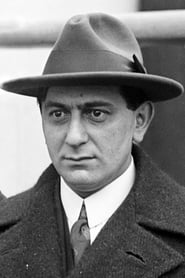
Ernst Lubitsch
Actor & Director
Born: January 28, 1892 in Berlin, German Empire Died: November 30, 1947 Active: 1912-1947
Films
29 films
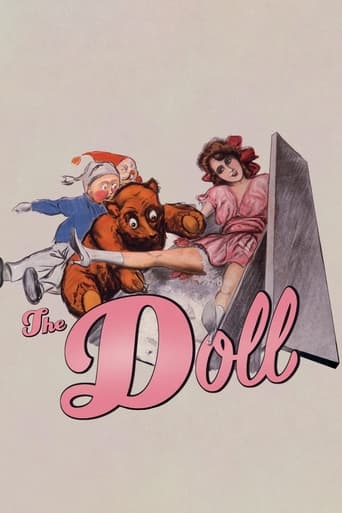
The Doll
1919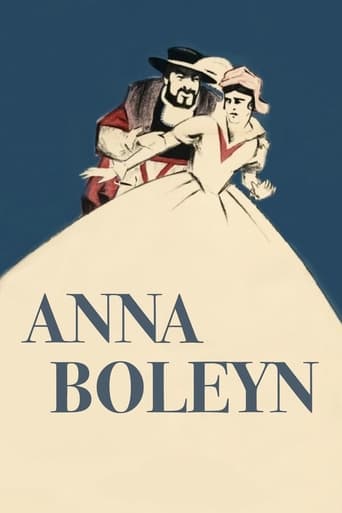
Anna Boleyn
1920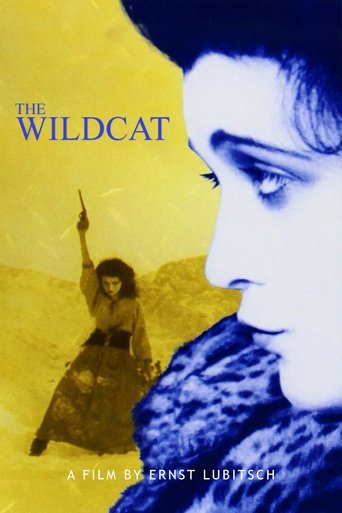
The Wildcat
1921
The Eyes of the Mummy
The Oyster Princess
1919
I Don't Want to Be a Man
1918
Sumurun
1920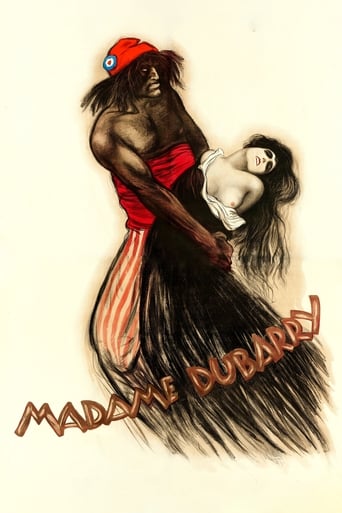
Madame DuBarry
1919
The Marriage Circle
1924
Kohlhiesel's Daughters
1920
Romeo and Juliet in the Snow
1920
Pinkus's Shoe Palace
1916
Forbidden Paradise
1924
Where Is My Treasure?

Meyer from Berlin
1919
Three Women
1924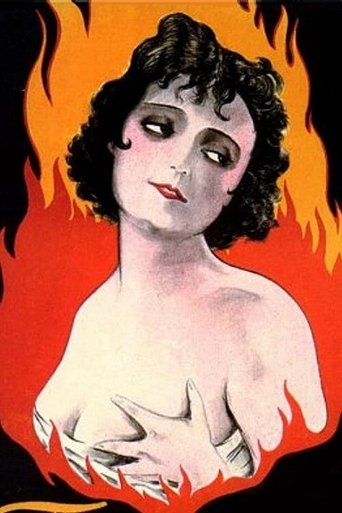
Die Flamme
1923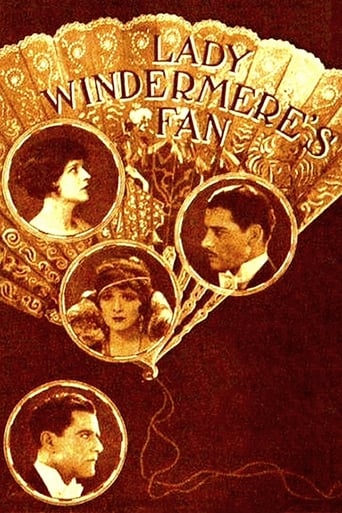
Lady Windermere's Fan
1925
That Uncertain Feeling
1941
Carmen
1918
The Love Parade
1929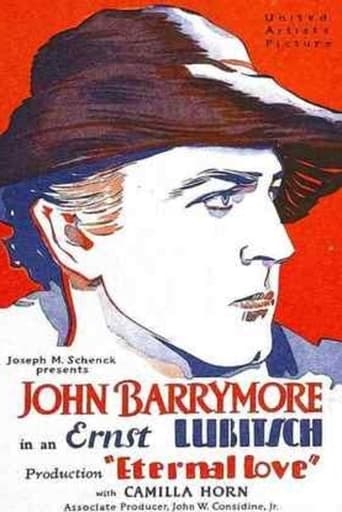
Eternal Love
1929
So This Is Paris
1926
The Student Prince in Old Heidelberg
1927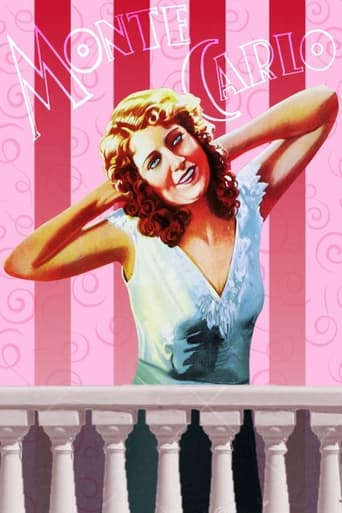
Monte Carlo
1930
The Merry Jail
1917
The Miracle
1912
The Patriot
1928About Ernst Lubitsch
German-American filmmaker: from the silent era through the Golden Age of Hollywood. Born in Berlin in 1892, he began his career as an actor in German comedies before transitioning to directing in 1914. His early German films, including historical epics like 'Madame DuBarry' (1919), brought him international acclaim and led to his move to Hollywood in 1922. Lubitsch became renowned for his sophisticated comedies and developed what critics called 'the Lubitsch Touch' - a distinctive style characterized by wit, elegance, and subtle innuendo. He successfully navigated the transition from silent films to talkies, directing classics such as 'The Love Parade' (1929), 'Trouble in Paradise' (1932), 'Ninotchka' (1939), and 'To Be or Not to Be' (1942). Despite facing health issues in his later years, he continued working until his death in 1947, leaving behind a legacy that influenced generations of filmmakers. His final film, 'That Lady in Ermine' (1948), was completed by Otto Preminger after Lubitsch's death.
The Craft
On Screen
In his early German films, Lubitsch was known for his comedic performances often playing Jewish characters in broad ethnic comedies. His acting style was physical and exaggerated, typical of silent film comedy, but he already showed the wit and timing that would characterize his later directing work. He appeared in over 30 films as an actor before focusing exclusively on directing.
Behind the Camera
Lubitsch's directing style, famously known as 'the Lubitsch Touch,' was characterized by sophistication, elegance, and subtlety. He excelled in suggestion rather than explicitness, using visual gags, clever dialogue, and implied sexuality to create sophisticated comedies that were both witty and risqué without being vulgar. His technique included famous 'doorway scenes' where conversations were implied rather than shown, and he excelled at using props and settings to reveal character and advance plot. His films featured impeccable timing, refined performances, and a cosmopolitan sensibility that elevated romantic comedy to an art form.
Milestones
- Transitioned from successful German actor to acclaimed director in the 1910s
- Directed the international hit 'Madame DuBarry' (1919) starring Pola Negri
- Moved to Hollywood in 1922 and became head of production at Warner Bros.
- Pioneered sophisticated romantic comedy with 'The Marriage Circle' (1924)
- Successfully adapted to sound films with 'The Love Parade' (1929)
- Created the masterpiece 'Trouble in Paradise' (1932), considered one of the greatest comedies ever made
- Directed Greta Garbo in her first comedy 'Ninotchka' (1939)
- Received an Academy Honorary Award in 1947 for his contributions to film
Best Known For
Iconic Roles
Must-See Films
Accolades
Won
- Academy Honorary Award (1947)
- New York Film Critics Circle Award for Best Director (1939) for 'Ninotchka'
Nominated
- Academy Award for Best Director (1930) for 'The Love Parade'
- Academy Award for Best Director (1931) for 'The Smiling Lieutenant'
- Academy Award for Best Director (1943) for 'To Be or Not to Be'
- Academy Award for Best Director (1944) for 'Heaven Can Wait'
- Academy Award for Best Picture (1930) for 'The Love Parade'
- Academy Award for Best Picture (1943) for 'To Be or Not to Be'
- Academy Award for Best Picture (1944) for 'Heaven Can Wait'
- Venice Film Festival Mussolini Cup (1934) for 'The Merry Widow'
Special Recognition
- Star on Hollywood Walk of Fame (located at 7040 Hollywood Blvd)
- AFI's 100 Greatest American Films: 'Trouble in Paradise' ranked #68 in the comedy list
- Preserved films in National Film Registry: 'Trouble in Paradise' (1991), 'The Shop Around the Corner' (1999), 'To Be or Not to Be' (1996)
- The Ernst Lubitsch Collection DVD box set by Criterion Collection
Working Relationships
Worked Often With
Studios
Why They Matter
Impact on Culture
Ernst Lubitsch revolutionized the romantic comedy genre, transforming it from simple entertainment into sophisticated social commentary. His 'Lubitsch Touch' became a benchmark for wit and elegance in filmmaking, influencing how Hollywood approached adult themes with subtlety and intelligence. During the restrictive Production Code era, Lubitsch found ingenious ways to suggest sexuality and critique social conventions through implication rather than explicit content. His films provided an escape for audiences during the Great Depression and World War II, offering a vision of sophisticated romance and witty repartee that contrasted with the harsh realities of the time. Lubitsch also helped establish Hollywood as the center of international cinema, being one of the first successful European directors to make the transition to American filmmaking.
Lasting Legacy
Ernst Lubitsch's legacy endures through the enduring popularity of his films and the continued influence of his distinctive style on contemporary filmmakers. The term 'Lubitsch Touch' has entered the film vocabulary as shorthand for sophisticated, witty filmmaking that relies on suggestion rather than explicitness. Directors from Woody Allen to Wes Anderson have cited Lubitsch as a major influence, particularly in their approach to comedy and visual storytelling. Many of Lubitsch's films have been remade, including 'The Shop Around the Corner' (as 'You've Got Mail') and 'Heaven Can Wait' (as 'Down to Earth'), demonstrating the timelessness of his themes and characters. Film scholars continue to study his techniques for using visual elements to convey complex emotional and social ideas, and his work remains a masterclass in the art of cinematic suggestion.
Who They Inspired
Lubitsch's influence extends far beyond his own films, shaping the development of romantic comedy and sophisticated adult entertainment in cinema. Billy Wilder, perhaps his most famous protégé, frequently acknowledged Lubitsch as his primary influence, adopting his mentor's wit and cynicism in films like 'Some Like It Hot' and 'The Apartment.' The screwball comedies of the 1930s and 1940s owed much to Lubitsch's work in blending romance with social satire. His techniques for suggesting sexuality and adult themes while working within censorship constraints influenced generations of filmmakers facing similar restrictions. Contemporary directors like Noah Baumbach and Greta Gerwig continue the Lubitsch tradition of intelligent, dialogue-driven comedies that explore relationships with sophistication and nuance.
Off Screen
Ernst Lubitsch was married twice in his life. His first marriage was to actress Helene Kraus in 1916, which ended in divorce in 1921. In 1935, he married Vivian Gaye, a British actress, and they remained together until his death. The couple had one daughter, Nicola Lubitsch, born in 1938. Lubitsch was known for his wit and charm both on and off set, becoming a beloved figure in Hollywood circles. He maintained friendships with many European émigré filmmakers who fled Nazi Germany, including Billy Wilder, whom he mentored. Despite his sophisticated on-screen persona, those who knew him described him as warm, generous, and deeply committed to his craft.
Education
Attended school in Berlin and worked briefly as a bookkeeper's apprentice before entering show business. He received no formal film education, learning his craft through practical experience in the theater and early German film industry.
Family
- Helene Kraus (1916-1921)
- Vivian Gaye (1935-1947)
Did You Know?
- The term 'Lubitsch Touch' was coined by critics to describe his distinctive style of sophisticated wit and visual elegance
- He was one of the first European directors to successfully transition to Hollywood, paving the way for other émigré filmmakers
- His film 'To Be or Not to Be' (1942) was highly controversial for its satirical treatment of Nazis and was initially boycotted by some theater owners
- Lubitsch never won a competitive Academy Award but received an honorary Oscar shortly before his death
- He was known for his meticulous planning, storyboarding every scene in detail before filming began
- His final film 'That Lady in Not to Be' was completed by Otto Preminger after Lubitsch's death from a heart attack
- Despite his reputation for sophisticated comedies, Lubitsch began his career directing historical epics in Germany
- He was one of the highest-paid directors in Hollywood during the 1930s
- The famous 'Lubitsch Touch' often involved using doors, windows, and other architectural elements to create visual metaphors
- His daughter Nicola appeared as a child actress in some of his later films
In Their Own Words
I have been accused of being a 'flirt' with my camera. I'm not ashamed of it at all. I think it's charming.
There are two kinds of directors: the ones who think they know everything, and the ones who know they don't know anything. I belong to the second group.
The Lubitsch Touch? I don't know what it is. I wish I did, so I could patent it.
I've been to Paris, France, and I've been to Paris, Paramount. Paris, Paramount is better.
If you want to make a picture that will appeal to the public, make it about something they all understand - love.
Frequently Asked Questions
Who was Ernst Lubitsch?
German-American on YTB.my. He was renowned for his sophisticated comedies and developed a distinctive style known as 'the Lubitsch Touch,' characterized by wit, elegance, and subtle innuendo.
What films is Ernst Lubitsch best known for?
Titles linked here include Trouble in Paradise (1932), Ninotchka (1939).
When was Ernst Lubitsch born and when did he die?
Born January 28, 1892; died November 30, 1947.
What awards did Ernst Lubitsch win?
Lubitsch received an Academy Honorary Award in 1947 for his contributions to the art of motion pictures. He was nominated for three Academy Awards for Best Director and multiple Best Picture nominations, though he never won a competitive Oscar. He also won the New York Film Critics Circle Award for Best Director for 'Ninotchka' in 1939.
What was Ernst Lubitsch's directing style?
Lubitsch's directing style, known as 'the Lubitsch Touch,' emphasized sophistication, wit, and suggestion over explicitness. He excelled at using visual metaphors, clever dialogue, and implied sexuality to create elegant comedies that were both entertaining and subtly subversive, especially during the restrictive Production Code era.
How did Ernst Lubitsch influence other filmmakers?
Lubitsch profoundly influenced generations of filmmakers, particularly in the romantic comedy genre. Billy Wilder considered him his greatest influence, and his techniques for sophisticated wit and visual storytelling inspired directors from Preston Sturges to Woody Allen and contemporary filmmakers like Wes Anderson. His approach to suggesting adult themes within censorship constraints became a model for intelligent filmmaking.
What was the 'Lubitsch Touch'?
The 'Lubitsch Touch' referred to Lubitsch's distinctive filmmaking style characterized by sophisticated wit, elegant visual storytelling, and clever use of suggestion rather than explicitness. It involved techniques like using doors and windows as visual metaphors, implying intimate conversations rather than showing them directly, and conveying complex ideas through subtle gestures and props rather than dialogue.
Did Ernst Lubitsch act in films?
Yes, Lubitsch began his career as an actor in German films from 1912 to approximately 1920, appearing in over 30 films. He often played comedic roles, sometimes in broad ethnic characterizations typical of the period. After achieving success as a director, he focused exclusively on filmmaking behind the camera, though he made brief cameo appearances in some of his later films.