

The Love Parade
"A consort who hates ceremony"
Keys: Space play/pause · ←/→ 10s · F fullscreen · M mute · </> speed
About this film
Queen Louise of Sylvania weds attaché Count Alfred, then watches him struggle with the idle ceremonial life of a royal consort.
Cast & crew
More films like this
More Comedy films
View all →







More from Ernst Lubitsch
View all →
More about this film
About the production
Release dateNovember 19, 1929
Budget$1,250,000
Box office$3,000,000 (domestic)
ProductionParamount Pictures
Filmed inParamount Studios, Hollywood, California
The Love Parade was groundbreaking as one of the first true movie musicals and Ernst Lubitsch's first sound film. The production faced significant technical challenges as early sound recording equipment was cumbersome and limited camera movement. The cast had to perform live to the recording equipment as pre-recording was not yet standard practice. Maurice Chevalier's thick French accent initially concerned studio executives, but Lubitsch insisted on keeping it, arguing it added to the character's charm. The elaborate royal costumes and sets were designed to evoke European opulence while remaining within the constraints of early sound stages.
Themes
Gender roles and power dynamics in marriageThe conflict between public duty and private loveNational identity and cultural differencesThe nature of masculinity and prideThe challenge of adapting to new circumstances
Themes & topics
royal marriagegender role reversalmusical romanceEuropean royaltymarital conflictpolitical marriagecourt intrigueadjustment to married lifepower strugglecultural clash
Historical background
Lubitsch's 1929 Paramount musical was among the first all-talking operettas produced in Hollywood.
Why this film matters
Helped define the Lubitsch touch in sound—sophisticated innuendo, continental settings, and playful treatment of sex roles.
Making of
The production of The Love Parade marked a pivotal moment in cinema history as the industry transitioned from silent films to talkies. Ernst Lubitsch, initially reluctant to embrace sound, was persuaded by Paramount to direct what would become his first musical. The studio invested heavily in the project, constructing elaborate European palace sets on their soundstages. Early sound recording presented enormous challenges - the heavy microphones had to be hidden in props or plants, and actors were essentially rooted in place. Maurice Chevalier, already a major star in Europe, was making his American film debut and was nervous about his accent being understood. Lubitsch worked closely with composer Victor Schertzinger to integrate songs seamlessly into the narrative, a revolutionary approach at the time. The film's success was far from guaranteed; many industry insiders believed musicals were just a passing fad, and Paramount took an enormous financial risk. The chemistry between Chevalier and MacDonald was so authentic that rumors of a real-life romance circulated, though both denied it. Lubitsch's distinctive 'touch' - his sophisticated blend of wit, innuendo, and visual storytelling - translated remarkably well to sound, proving that the new medium could enhance rather than diminish cinematic artistry.
What critics said
Nominated for Best Picture at the second Academy Awards; critics praised Maurice Chevalier and Jeanette MacDonald.
Did you know?
- This was Ernst Lubitsch's first sound film and first musical, yet it became especially successful early talkies
- The Love Parade was nominated for six Academy Awards at the 2nd Academy Awards, more than any other film that year
- Maurice Chevalier was paid $3,000 per week, making him one of the highest-paid actors in Hollywood at the time
- The film's success launched Jeanette MacDonald's career and established her as one of the premier musical stars of the 1930s
- The fictional country of Sylvania was created to avoid political sensitivities about depicting real European royalty
- The film featured the first use of a moving microphone boom, allowing actors more freedom of movement
- Paramount was so confident in the film that they spent an unprecedented $500,000 on marketing
- The Love Parade was the first film to win the Academy Award for Best Art Direction, a category that no longer exists
- All musical numbers were performed live on set due to the limitations of early sound recording technology
- The film's success saved Paramount from bankruptcy during the Great Depression
Awards & recognition
- Academy Award for Best Art Direction (Hans Dreier)
- Photoplay Magazine Medal of Honor for Best Picture
Visual style
Victor Milner's cinematography for The Love Parade was groundbreaking for its time, particularly in how it adapted to the technical constraints of early sound filming. The camera work demonstrates remarkable fluidity despite the limitations of sound recording equipment, which typically forced static shots. Milner employed innovative techniques to hide microphones while maintaining visual interest, using props, furniture, and even actors' bodies to conceal the cumbersome equipment. The film features elaborate tracking shots that were technically challenging in early sound stages, particularly during musical numbers. The lighting design creates a soft, romantic atmosphere that enhances the European setting, with carefully controlled shadows that add depth to the palace interiors. The cinematography successfully captures the grandeur of the royal settings while maintaining intimacy for the romantic scenes. Milner's work earned an Academy Award nomination, recognizing how he overcame the technical limitations of early sound to create visually sophisticated sequences. The film's visual style influenced the look of subsequent Hollywood musicals, establishing a standard of elegance and polish that would define the genre.
Innovations
The Love Parade pioneered several technical innovations that would become standard in sound filmmaking. It was among the first films to use a mobile microphone boom, allowing actors greater freedom of movement during musical numbers. The production team developed new techniques for synchronizing music and dialogue, creating a more natural flow between spoken and sung passages. The film featured early examples of post-production sound mixing, allowing for better balance between music, dialogue, and sound effects. The elaborate palace sets were designed with acoustics in mind, a consideration that was new to filmmaking but crucial for sound recording. The film demonstrated that sophisticated camera movements were possible in sound films, contrary to the belief that sound required static photography. The recording of musical performances was particularly innovative, with the team developing methods to capture live performances while maintaining sound quality. The film's success proved that the artistic limitations of early sound technology could be overcome through creativity and technical innovation, paving the way for more complex sound films in the following decade.
Music
The musical score for The Love Parade was composed by Victor Schertzinger, with lyrics by Clifford Grey, creating a sophisticated collection of songs that seamlessly advanced the plot. The soundtrack was revolutionary for its time, integrating musical numbers naturally into the narrative rather than stopping the story for performances. The film's most famous song, 'Paris, Stay the Same,' became a standard and was recorded by numerous artists. Maurice Chevalier's performance style - conversational and intimate rather than operatic - was groundbreaking and influenced how songs would be performed in films thereafter. Jeanette MacDonald's classically trained voice provided a perfect contrast to Chevalier's more casual approach, creating a dynamic musical partnership. The orchestra arrangements were lush and romantic, perfectly complementing the European setting. The recording techniques, while primitive by modern standards, were innovative for 1929, using multiple microphones to capture both dialogue and musical performances. The soundtrack was released as a record album, one of the first film soundtracks to receive such treatment, further demonstrating the film's cultural impact.
Famous quotes
Alfred: 'A man must be the master in his own home, even if it's a palace.'
Queen Louise: 'I am the Queen, and you are my husband. Sometimes one must be more important than the other.'
Alfred: 'In Paris, I was somebody. Here, I am only the Queen's husband.'
Queen Louise: 'Love is not a matter of rank or position, but of the heart.'
Alfred: 'I would rather be a simple soldier than a decorated husband.'
Memorable scenes
- The opening sequence where Count Alfred returns to Sylvania and is immediately summoned to the palace, establishing the film's tone and his character's predicament
- The wedding scene where Alfred realizes his subordinate position as he must walk behind his new wife, visually representing their reversed power dynamics
- The 'Paris, Stay the Same' musical number where Chevalier charms both the queen and the audience with his sophisticated performance style
- The bedroom scene where the newlyweds awkwardly navigate their first night together, balancing royal protocol with marital intimacy
- The climactic reconciliation scene where Alfred and Louise finally find a balance between their public roles and private love
What audiences thought
The Love Parade was an enormous popular success, becoming one of the highest-grossing films of 1929 and 1930. Audiences flocked to theaters to see Maurice Chevalier's American debut and were enchanted by his sophisticated French charm and distinctive singing style. The film's romantic story and memorable songs, particularly 'Paris, Stay the Same,' became cultural touchstones. Moviegoers appreciated the film's escapist fantasy during the early days of the Great Depression, finding relief in its glamorous European setting and lighthearted romance. The chemistry between Chevalier and MacDonald resonated strongly with audiences, who demanded to see them reunited in subsequent films. The film's success was particularly notable because it proved that sophisticated, adult-oriented entertainment could draw massive audiences, countering the industry belief that only simple stories would succeed with the masses. Audience reception was so positive that Paramount immediately greenlit several more musicals with the same creative team and stars. The film's popularity extended beyond American theaters to international markets, where it helped establish Hollywood's dominance in the emerging sound film era.
Film connections
Influenced by
- The Merry Widow (operetta)
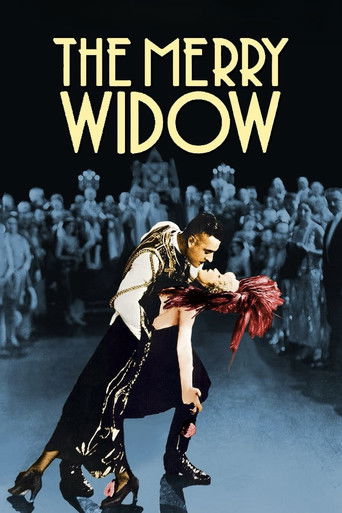
- The Merry Widow (1925 film)
- European operettas of the 1920s
- Viennese light opera tradition
- Broadway musical comedies of the 1920s
This film influenced
- The Merry Widow (1934)
- One Hour with You (1932)
- Love Me Tonight (1932)
- The Smiling Lieutenant (1931)
- Naughty Marietta (1935)
- Rose-Marie (1936)
- Maytime (1937)
Film restoration
The Love Parade is well-preserved and has been restored by the UCLA Film and Television Archive in collaboration with Paramount Pictures. The original nitrate negatives survived in the studio archives, and a complete 35mm preservation copy exists. The film underwent a major restoration in the 1990s that included digital cleaning of the soundtrack to remove age-related deterioration while preserving the original sound quality. In 2008, the film was selected for preservation in the United States National Film Registry by the Library of Congress for being 'culturally, historically, or aesthetically significant.' The restored version has been released on DVD and Blu-ray by Universal Studios (which now owns the Paramount catalog), including special features about the film's production and historical significance.
Where to watch
- The Criterion Channel
- Kino Lorber Blu-ray/DVD
- Amazon Prime Video (for rental or purchase)
- Apple TV (for rental or purchase)
- Google Play Movies (for rental or purchase)
- YouTube Movies (for rental or purchase)
- Turner Classic Movies (occasional broadcast)