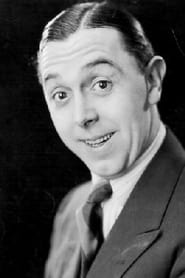
Lupino Lane
Actor
Born: June 16, 1892 in London, England Died: November 10, 1959 Active: 1915-1940s Birth Name: Henry William George Lupino
Films
4 films


About Lupino Lane
Lupino Lane, born Henry William George Lupino, was a British actor, comedian, and entertainer who rose to prominence during the silent film era and successfully transitioned into early talkies. Born into the renowned Lupino family of entertainers, he began performing as a child in music halls, developing his signature acrobatic comedy style that would become his trademark. Lane's from the 1910s through the 1940s, during which he appeared in numerous British comedies and several Hollywood productions. His most significant achievement came with the stage musical 'Me and My Girl' (1937), where he originated the role of Bill Snibson and introduced the world-famous 'Lambeth Walk.' Beyond performing, Lane later ventured into directing, producing, and theatre ownership, demonstrating his versatility as an entertainment entrepreneur. His boundless energy, remarkable physical agility, and charming everyman persona made him one of Britain's most beloved comedy performers of his era. Lane's legacy includes not only his film and stage work but also his contribution to the Lupino family entertainment dynasty that spanned generations.
The Craft
On Screen
Lupino Lane was renowned for his energetic physical comedy, acrobatic abilities, and expressive face work typical of silent film comedians. His style incorporated elements of slapstick, musical comedy, and traditional British music hall performance, characterized by remarkable agility and timing. Lane showcased his talents through elaborate pratfalls, dance routines, and comic set pieces that demonstrated his boundless energy and precision. His transition to sound films was aided by his musical abilities and natural comedic timing in dialogue delivery. Lane's performances were by their physical virtuosity and the charming, working-class quality he brought to his characters, making him relatable to audiences across social classes.
Milestones
- Created the role of Bill Snibson in the hit musical 'Me and My Girl' (1937)
- Starred in the popular British film series 'The Lupino Lane Comedies'
- Successfully transitioned from silent films to talkies
- Appeared in Hollywood's 'The Love Parade' (1929) alongside Maurice Chevalier and Jeanette MacDonald
- Performed for troops during World War II
- Later became a theatre owner and producer
- Member of the famous Lupino entertainment dynasty spanning over 200 years
Best Known For
Iconic Roles
Must-See Films
Accolades
Special Recognition
- Hollywood Walk of Fame star (for contributions to motion pictures)
- Posthumous recognition in British Comedy Hall of Fame
Working Relationships
Worked Often With
Studios
Why They Matter
Impact on Culture
Lupino Lane made significant contributions to both British and American cinema during the transitional period from silent films to talkies, demonstrating remarkable adaptability as an entertainer. His success in bridging these two eras showed the importance of versatility in early cinema and helped establish British comedy's international appeal. Lane's work in 'Me and My Girl' helped popularize the character of the Cockney everyman in British entertainment, influencing countless future productions and creating a cultural touchstone with 'The Lambeth Walk.' The song and dance became a worldwide phenomenon, even being referenced in Nazi propaganda as an example of 'degenerate' art, paradoxically confirming its cultural significance. Lane's ability to transition from stage to screen and back again illustrated the interconnected nature of entertainment media during this period, while his family's continued success in entertainment demonstrated the lasting impact of his contributions to the performing arts.
Lasting Legacy
Lupino Lane is remembered as a significant figure in British comedy cinema and a successful transitional artist between silent and sound films. His most enduring legacy comes from 'Me and My Girl,' which introduced the famous song 'The Lambeth Walk' and became a cultural phenomenon that has been revived numerous times and adapted for various media. The show's 1980s Broadway revival won the Tony Award for Best Revival, cementing Lane's place in entertainment history decades after his death. Lane's contributions to physical comedy influenced generations of performers, and his work represents an important bridge between traditional music hall entertainment and modern cinema. The Lupino family name remains respected in entertainment circles, thanks in large part to Lane's contributions and those of his relatives, particularly cousin Ida Lupino's groundbreaking work as a female director in Hollywood.
Who They Inspired
Lane influenced later physical comedians with his acrobatic style and precise timing, paving the way for performers like Norman Wisdom and later British comedy stars. His success in both British and American markets helped demonstrate that British performers could find international success without completely abandoning their cultural identity. His work in musical comedy influenced the development of the British film musical genre, while his stage-to-screen success model inspired later entertainers to pursue multimedia careers. Lane's ability to maintain his authentic British persona while achieving international recognition influenced how subsequent British performers approached the Hollywood market.
Off Screen
Lupino Lane was born into the famous Lupino family of entertainers, with his father George Lupino and uncle Barry Lupino also being well-known performers. He married actress Violet Blythe in 1925, who frequently appeared in his films, and they had one son together, Richard Lupino, who also became an actor. Lane came from a long line of entertainers dating back to the 18th century, with the Lupino name becoming synonymous with British entertainment. His cousin Ida Lupino became a famous actress and director in Hollywood, continuing the family's entertainment legacy. Despite his success, Lane remained known for his humility and generosity toward fellow performers, often helping struggling actors and supporting various charitable causes throughout his career.
Education
Limited formal education due to early entry into entertainment industry; trained in acrobatics and performance within family tradition
Family
- Violet Blythe (1925-1959)
Did You Know?
- The famous song 'The Lambeth Walk' from 'Me and My Girl' became a worldwide phenomenon and was even referenced in Nazi propaganda as an example of 'degenerate' art
- He was part of the famous Lupino family entertainment dynasty that spanned over 200 years
- Despite being only 5'3" tall, his acrobatic abilities and stage presence made him a commanding performer
- He could perform complex acrobatic routines well into his middle age
- His cousin Ida Lupino became one of Hollywood's few female directors in the 1950s
- 'Me and My Girl' was revived on Broadway in the 1980s and won the Tony Award for Best Revival
- He was known for his incredible work ethic, often performing in stage shows while simultaneously making films
- During World War I, he served in the Royal Flying Corps
- He was one of the few British silent film stars to successfully transition to talkies
- His real name, Henry William George Lupino, reflected the family tradition of naming sons George
In Their Own Words
Comedy is not just about falling down. It's about how you pick yourself up with style.
The audience doesn't care how you do it, as long as you make them laugh.
From the moment I could walk, I was taught to fall - it's been the story of my life ever since.
Frequently Asked Questions
Who was Lupino Lane?
British with credits in this catalog. He was best known for his acrobatic comedy style and for originating the role of Bill Snibson in the hit musical 'Me and My Girl,' which introduced the famous 'Lambeth Walk.'
What films is Lupino Lane best known for?
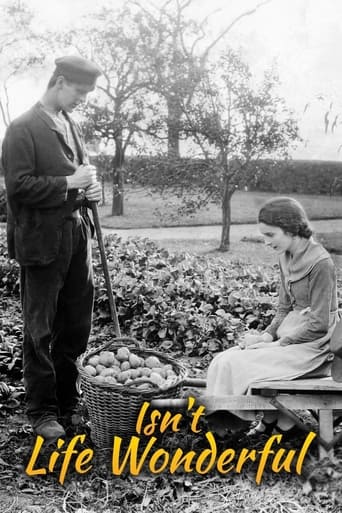
Titles linked here include Isn't Life Wonderful (1924), The Love Parade (1929).
When was Lupino Lane born and when did he die?
Born June 16, 1892; died November 10, 1959.
What awards did Lupino Lane win?
While Lupino Lane didn't receive many formal awards during his lifetime, he was posthumously recognized with a star on the Hollywood Walk of Fame for his contributions to motion pictures and has been honored in the British Comedy Hall of Fame.
What was Lupino Lane's acting style?
Lupino Lane was known for his energetic physical comedy, acrobatic abilities, and expressive performances typical of silent film comedians. His style incorporated slapstick, musical comedy, and traditional British music hall elements, characterized by remarkable agility and timing.
Was Lupino Lane related to Ida Lupino?
Yes, Lupino Lane was cousin to Ida Lupino, who became a famous actress and one of Hollywood's few female directors in the 1950s. They were both part of the extensive Lupino family entertainment dynasty.
What was 'Me and My Girl' and why was it significant?
'Me and My Girl' was a 1937 stage musical where Lupino Lane originated the role of Bill Snibson. It was significant for introducing the world-famous 'Lambeth Walk,' which became a cultural phenomenon. The show has been revived multiple times, including a 1980s Broadway production that won the Tony Award for Best Revival.
How did Lupino Lane transition from silent films to talkies?
Lupino Lane successfully transitioned from silent films to talkies by leveraging his musical abilities, natural comedic timing, and stage experience. His background in music hall entertainment equipped him with the skills needed for sound films, allowing him to continue his career seamlessly into the talkie era.