
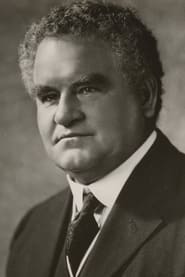
Lionel Belmore
Actor
Born: May 12, 1867 in Wimbledon, Surrey, England Died: January 30, 1933 Active: 1911-1933
Films
8 films

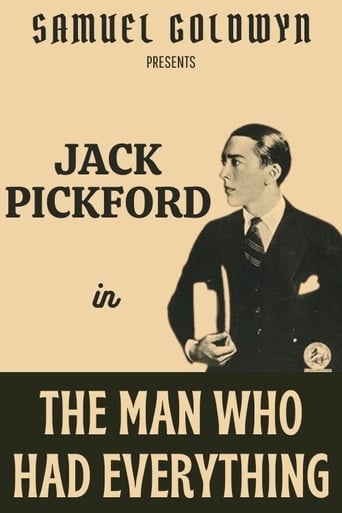
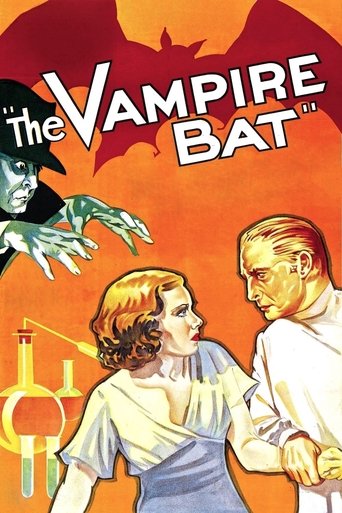


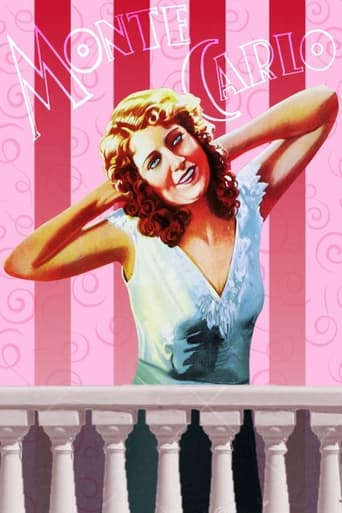
About Lionel Belmore
British character actor who enjoyed a prolific career in both silent films and early talkies, appearing in over 200 films during his three-decade career. Born in England, he began his acting career on the London stage before transitioning to the burgeoning film industry, making his way to Hollywood in the 1910s. Belmore became typecast as an authority figure, frequently playing judges, mayors, noblemen, and other characters of importance, leveraging his imposing physical presence and distinctive white beard. He worked with many of the era's biggest stars and directors, appearing in numerous films alongside legends like Buster Keaton, John Barrymore, and Maurice Chevalier. His career peaked during the late 1920s and early 1930s when he appeared in several prestigious productions, though he often played supporting roles that were uncredited. Despite the transition from silent films to talkies, Belmore successfully adapted his stage-trained presence to the new medium, continuing to find steady work until his health began to decline in the mid-1930s. His final years were marked by financial difficulties and declining health, leading to his death in 1933 at the age of 72.
The Craft
On Screen
Belmore was known for his commanding presence and authoritative demeanor, often playing judges, mayors, and noblemen with a gravitas that suited both silent and sound films. His distinctive appearance, particularly his white beard and large frame, made him instantly recognizable to audiences. He employed a theatrical style honed from his stage career, using broad gestures and expressive facial features that translated well to the silent screen, while his trained voice carried effectively in early talkies. Belmore specialized in portraying characters of wisdom and authority, bringing a sense of authenticity to historical and period pieces.
Milestones
- Transitioned from British stage to Hollywood films in the 1910s
- Appeared in over 200 films during his career
- Successfully transitioned from silent films to talkies
- Worked with major directors like John Ford and Raoul Walsh
- Frequently cast as authority figures in period pieces
Best Known For
Iconic Roles
Must-See Films
Accolades
Special Recognition
- Star on the Hollywood Walk of Fame
Working Relationships
Worked Often With
Studios
Why They Matter
Impact on Culture
Lionel Belmore represented the archetype of the British character actor who brought theatrical gravitas to American cinema during its formative years. His consistent portrayals of authority figures helped establish visual shorthand for power and wisdom in silent film storytelling, influencing how such characters would be depicted for decades. Belmore's successful transition from silent films to talkies demonstrated the value of stage training in early Hollywood, showing that classical technique could adapt to new technologies. His extensive filmography, though often in uncredited roles, contributed to the texture and authenticity of numerous classic films, helping create believable historical and period settings.
Lasting Legacy
Lionel Belmore's legacy endures as. Though rarely the star, his presence in over 200 films made him an integral part of Hollywood's golden age, contributing to the authenticity of countless productions. His ability to embody authority and wisdom on screen helped establish character archetypes that would influence casting decisions for decades. Today, film historians and classic cinema enthusiasts recognize Belmore as an essential supporting player who brought credibility and depth to the films of the 1920s and early 1930s.
Who They Inspired
Belmore's career demonstrated the value of character actors in building the foundation of Hollywood's storytelling, showing how reliable supporting performances could elevate the quality of productions. His successful adaptation from stage to screen, and from silent to sound films, provided a model for other theater-trained actors making the transition to cinema. The authority and gravitas he brought to his roles influenced subsequent generations of character actors specializing in similar archetypes.
Off Screen
Lionel Belmore married actress Clara Louise Blandford in 1898, and their marriage lasted until her death in 1930, just three years before his own passing. The couple had no children together. Belmore was known in Hollywood circles as a reliable professional who took his craft seriously, though he struggled financially in his later years despite his extensive filmography. His health began to decline in the early 1930s, contributing to his reduced output in the final years of his life. He died of a heart attack in Los Angeles, leaving behind a legacy as one of Hollywood's most recognizable character actors of the silent and early sound era.
Education
Trained in classical theater in London
Family
- Clara Louise Blandford (1898-1930)
Did You Know?
- Appeared in over 200 films during his 22-year film career
- Often played uncredited roles despite his distinctive appearance
- Was a trained stage actor before entering films
- His white beard became his trademark feature
- Worked with both Buster Keaton and the Marx Brothers
- Was one of the few British actors to successfully transition from silent to sound films in Hollywood
- Despite his extensive filmography, he struggled financially in his later years
- His final film appearance was in 1933's 'The Working Man'
- Received a star on the Hollywood Walk of Fame for his contributions to film
- Was frequently typecast as judges, mayors, and other authority figures
Frequently Asked Questions
Who was Lionel Belmore?
Screen credits include over 200 films during the silent era and early sound period, known for his distinctive white beard and authoritative presence in supporting roles.
What films is Lionel Belmore best known for?
Titles linked here include The Sea Hawk (1924), Bardelys the Magnificent (1926).
When was Lionel Belmore born and when did he die?
Born May 12, 1867; died January 30, 1933.
What awards did Lionel Belmore win?
While Belmore did not receive major acting awards during his career, he was honored with a star on the Hollywood Walk of Fame for his significant contributions to the film industry.
What was Lionel Belmore's acting style?
Belmore employed a theatrical acting style honed from his stage career, using his imposing physical presence and distinctive appearance to portray authority figures with gravitas and authenticity in both silent and sound films.