
The Vampire Bat
"Vampire panic in a German village"
Keys: Space play/pause · ←/→ 10s · F fullscreen · M mute · </> speed
About this film
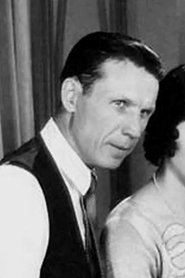
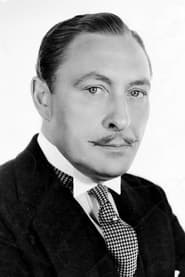
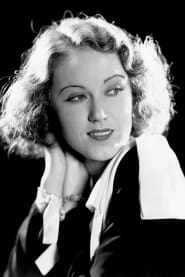
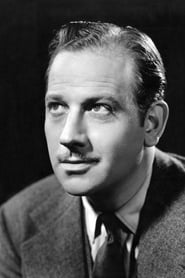
American Pre-Code horror film directed by Frank R. Strayer and starring Lionel Atwill, Fay Wray, Melvyn Douglas, and Dwight Frye.
Cast & crew
More films like this
More Horror films
View all →

More from Frank R. Strayer
View all →
More about this film
About the production
Release dateJanuary 14, 1933
BudgetApproximately $65,000 (typical low-budget for Majestic Pictures productions)
Box officeUnknown - box office records from this period are incomplete, but it was reportedly profitable for Majestic Pictures
ProductionMajestic Pictures
Filmed inMajestic Pictures Studios, Los Angeles, California
The film was shot in just 7 days on a very tight schedule. The production reused sets from other horror films, including some from 'Dracula' and 'Frankenstein,' to save costs. The castle exteriors were painted backdrops rather than actual locations. The film was rushed into production to capitalize on the horror film craze of the early 1930s, particularly following the success of Universal's horror hits.
Themes
Science vs. SuperstitionMob MentalityThe Nature of EvilAppearances vs. RealityFear of the Unknown
Themes & topics
vampiremurdersmall towninvestigationbatsmad scientistgothic horrorpre-codemysterysuspicion
Historical background
The Vampire Bat (1933) emerged during the studio-system peak and early sound decades, when exhibition habits and national film industries were still taking shape.
Why this film matters
The Vampire Bat remains accessible through digital archives, giving modern viewers a direct link to 1933 screen culture.
Making of
The production of 'The Vampire Bat' was typical of the poverty row studios of the era - fast, cheap, and resourceful. Director Frank R. Strayer had to work with minimal budget and time constraints, often completing scenes in one take. The cast, particularly Lionel Atwill and Fay Wray, were borrowed from larger studios under loan-out arrangements. The infamous bat scenes were particularly challenging to film, as real bats proved difficult to control on set. The production team used a combination of live bats, rubber bats, and clever camera tricks to create the desired effects. The film's script went through several revisions during production, with the ending being changed multiple times based on test audience reactions. The castle sets were actually redressed versions of sets used in Universal's horror films, a common cost-saving practice of the era.
What critics said
Retrospective notes on The Vampire Bat emphasize its value as a period production rather than blockbuster reception.
Did you know?
- Dwight Frye, who plays Herman, was famous for his role as Renfield in 'Dracula' (1931) and Fritz in 'Frankenstein' (1931), making him a horror film veteran by the time this was made.
- The film was part of a trio of horror films that Fay Wray made for Majestic Pictures in 1932-33, along with 'The Most Dangerous Game' and 'Mystery of the Wax Museum.'
- Lionel Atwill's character was originally written to be the villain, but script changes during production altered this dynamic.
- The bat effects were created using a combination of real bats on wires and mechanical props.
- This film was considered lost for many years until a print was discovered in the 1970s.
- The German village setting was entirely fictional and created on soundstages in Hollywood.
- The film's quick production schedule meant many scenes were shot in single takes.
- Despite the title, there are no actual vampires in the film - the 'vampire' is revealed to be human.
- The film was released just as the Hays Code was beginning to be enforced, making it one of the last pre-Code horror films.
- Melvyn Douglas was relatively unknown when cast, but this film helped launch his career as a leading man.
Visual style
The cinematography by Ira H. Morgan effectively creates a gothic atmosphere despite budget constraints. Morgan makes extensive use of chiaroscuro lighting techniques, with deep shadows and stark contrasts to enhance the horror elements. The camera work is generally static, typical of early sound films, but uses careful composition to create visual interest. The film employs Dutch angles and low-angle shots to create disorientation and unease. The lighting design particularly emphasizes the cavernous spaces of the castle and laboratory settings, using practical lighting sources like candles and oil lamps to create authentic period atmosphere. The bat attack scenes use rapid cutting and close-ups to create tension and excitement.
Innovations
While not groundbreaking technically, 'The Vampire Bat' demonstrates clever solutions to common production problems of the era. The film's use of miniature effects for certain scenes was innovative for a low-budget production. The bat effects, while simple, were creative for their time, combining live animals, mechanical props, and optical effects. The film's sound design effectively creates atmosphere despite the technical limitations of early sound recording. The lighting techniques used to create the gothic atmosphere on a limited budget show technical ingenuity. The film's efficient use of existing sets and locations demonstrated resourceful production planning that would become standard practice in B-movie production.
Music
The film features a typical early sound-era musical score with minimal original composition. Most of the music consists of classical pieces and library music adapted for the film. The sound design is particularly effective in creating atmosphere, with emphasis on ambient sounds like creaking doors, howling wind, and bat wings. The film makes good use of diegetic music, including organ music in key scenes. The sound quality is typical of early 1930s productions, with some technical limitations but generally clear dialogue. The bat sounds were created using a combination of real bat recordings and foley effects. The score helps maintain tension throughout the film's shorter runtime.
Famous quotes
Herman Gleib: 'I like bats. Bats are my friends.'
Dr. Otto von Niemann: 'Science has explained away most of the superstitions that once plagued mankind.'
Inspector Brettschneider: 'There are no such things as vampires! There are only men who do vampire-like things!'
Ruth Bertin: 'In this village, they believe in vampires the way children believe in bogeymen.'
Karl: 'Fear is a weapon that can be turned against those who wield it.'
Memorable scenes
- The opening scene where the first victim is discovered with their blood drained, establishing the mystery and horror tone.
- Herman Gleib's bat-filled basement scenes, where Dwight Frye's character displays his unsettling affinity for the creatures.
- The climactic revelation scene in Dr. von Niemann's laboratory, where the true villain is unmasked.
- The torch-bearing mob scene, where villagers pursue Herman through the streets, showcasing the theme of mob mentality.
- The final confrontation in the castle, where all the plot threads come together in a dramatic showdown.
What audiences thought
Initial audience reception was positive, particularly among horror film fans who were hungry for new genre content following the success of Universal's horror films. The film performed well enough in smaller theaters and second-run houses to be considered a modest success for Majestic Pictures. Modern audiences, particularly classic horror enthusiasts, have developed an appreciation for the film as a cult classic. Its short runtime and efficient pacing make it popular among those who enjoy pre-Code horror. The film has found new life through home video releases and streaming services, introducing it to new generations of horror fans.
Film connections
Influenced by
- Dracula (1931)
- Frankenstein (1931)
- The Old Dark House (1932)
- Murders in the Rue Morgue (1932)
This film influenced
- Mark of the Vampire (1935)
- The Vampire's Ghost (1945)
- The Return of the Vampire (1944)
Film restoration
The film was believed to be lost for many decades until a 16mm print was discovered in the 1970s. This print has since been preserved by various film archives and restoration efforts. The surviving print shows some signs of age and wear but is generally complete and watchable. The film has been restored for DVD and Blu-ray releases by companies like Kino Lorber and The Film Detective. While not as pristine as major studio restorations, the current available versions represent the best possible quality given the film's low-budget origins and history of neglect.
Where to watch
- Available on DVD from Kino Lorber Classics
- Streaming on Amazon Prime Video
- Available on Blu-ray from The Film Detective
- Available for digital purchase on iTunes and Google Play
- Occasionally airs on Turner Classic Movies
- Available on the horror streaming service Shudder