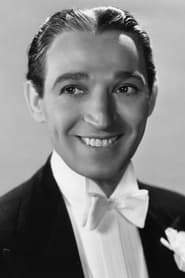
George E. Stone
Actor
Born: May 18, 1903 in Łódź, Poland (then Russian Empire) Died: May 26, 1967 Active: 1927-1964 Birth Name: Gerschon Lichtenstein
Films
7 films
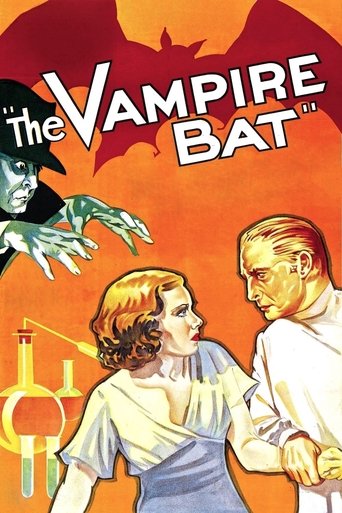
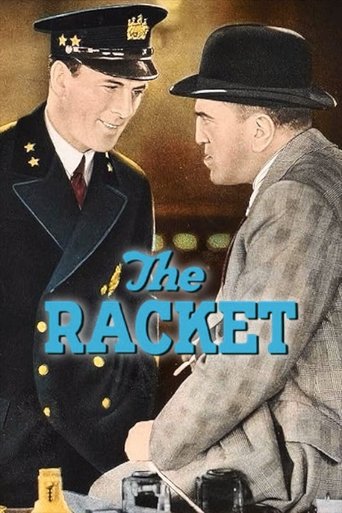
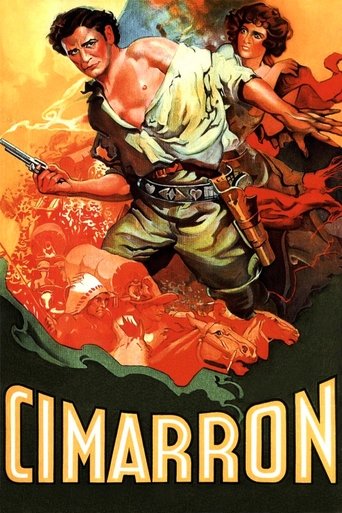
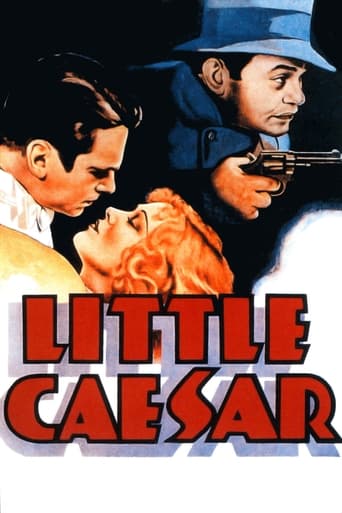
About George E. Stone
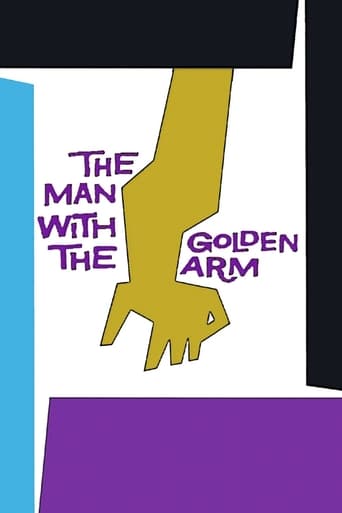
Prolific character actor: distinctive appearance and nervous demeanor made him one of Hollywood's most recognizable supporting players during the Golden Age. Born Gerschon Lichtenstein in Poland, he immigrated to the United States as a child and began his career in vaudeville before transitioning to films. Stone made his film debut in the silent era and successfully transitioned to talkies, where his high-pitched voice and anxious mannerisms became his trademark. George appears in over 180 films between 1927 and 1964, often playing gangsters, bookkeepers, comic relief characters, and nervous sidekicks. His breakthrough role came in 'The Racket' (1928), which established him as a reliable character actor. Stone worked consistently through the 1930s and 1940s, appearing in numerous Warner Bros. Gangster films and comedies. His career extended into the 1950s with notable roles in 'The Man with the Golden Arm' (1955) and various television appearances. Despite never achieving leading man status, Stone's distinctive presence made him an invaluable supporting actor who enhanced countless films with his unique characterizations.
The Craft
On Screen
Stone was known for his distinctive nervous energy and rapid-fire delivery, often portraying anxious, twitchy characters with bulging eyes and a high-pitched voice. His physical comedy skills and ability to convey nervousness through subtle gestures made him perfect for comic relief roles. He specialized in playing bookkeepers, informants, and nervous gangster sidekicks, bringing a unique blend of comedy and pathos to his characters. Stone's acting style was highly recognizable yet versatile enough to adapt to both dramatic and comedic contexts.
Milestones
- Breakthrough role in 'The Racket' (1928)
- Transition from silent films to talkies
- Prolific career with over 180 film appearances
- Signature role as 'Runt' in the Boston Blackie series
- Notable performance in 'The Man with the Golden Arm' (1955)
- Extensive work in Warner Bros. Gangster films
- Successful transition to television in the 1950s
Best Known For
Iconic Roles
Must-See Films
Accolades
Special Recognition
- Hollywood Walk of Fame star (6504 Hollywood Blvd)
Working Relationships
Worked Often With
Studios
Why They Matter
Impact on Culture
George E. Stone became an iconic figure in Hollywood's portrayal of nervous, anxious characters, creating a template that would be emulated by countless character actors. His distinctive appearance and mannerisms contributed to the visual language of American gangster films, helping to establish the archetype of the nervous henchman or informant. Stone's work in the Boston Blackie series helped popularize the sidekick character in B-movie detective films. His ability to seamlessly transition between comedy and drama demonstrated the versatility required of character actors in Hollywood's studio system. Stone's active years covered the transition from silent films to talkies and into television, making him a living link between different eras of American entertainment.
Lasting Legacy
George E. Stone's legacy lies in his contribution to the Hollywood's supporting players, where his distinctive presence enhanced over 180 films across four decades. He represents the quintessential character actor who, despite never achieving stardom, became an essential part of Hollywood's Golden Age through his reliability and unique screen presence. Stone's work continues to be appreciated by film historians and classic cinema enthusiasts who recognize the importance of supporting actors in creating memorable films. His career shows the value of character actors in building the mythos of American cinema.
Who They Inspired
Stone influenced subsequent generations of character actors who specialized in nervous or anxious characterizations. His work in gangster films helped establish conventions for supporting characters in crime cinema that would be referenced and parodied for decades. The distinctive energy and physicality he brought to his roles demonstrated how supporting actors could make lasting impressions with limited screen time. His successful career transition from silent films through the television era provided a model for character actors seeking longevity in the entertainment industry.
Off Screen
George E. Stone married actress Frances Morris in 1931, and they remained together until his death in 1967. The couple had one daughter, Susan. Stone was known in Hollywood as a reliable professional who never missed a day's work and was well-liked by his co-stars and directors. Despite his distinctive appearance often typecasting him, he maintained a positive attitude about his career and the opportunities it provided. He was active in various Hollywood social organizations and charity events throughout his career.
Education
Public schools in New York City after immigrating to the United States
Family
- Frances Morris (1931-1967)
Did You Know?
- Born Gerschon Lichtenstein, he changed his name to George E. Stone for his acting career
- He had distinctive bulging eyes that became his trademark feature
- Appeared in more films than many leading actors of his era
- Was often typecast as 'The Runt' or similar diminutive character names
- Worked continuously through the Great Depression when many actors struggled
- His high-pitched voice made him perfect for nervous character roles
- Was a close friend of fellow character actor Edward G. Robinson
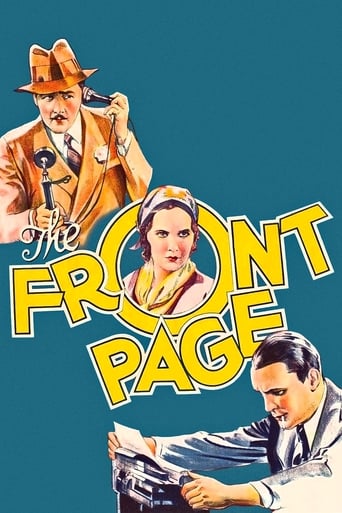
- Appeared in both the original and remake of 'The Front Page' (1931 and 1974, via archive footage)
- Was one of the few actors to successfully transition from silent films to television
- Despite his Polish birth, he was often cast as Italian or Jewish characters
In Their Own Words
I've made a career out of being nervous on screen. It's better than being nervous in real life.
In Hollywood, if they remember your face, you'll never be out of work.
I may not be the star, but I'm the one the audience remembers when they leave the theater.
Frequently Asked Questions
Who was George E. Stone?
Screen credits include over 180 films from 1927 to 1964. Born in Poland as Gerschon Lichtenstein, he became one of Hollywood's most recognizable supporting players, often playing anxious sidekicks, gangsters, and comic relief characters in Golden Age films.
What films is George E. Stone best known for?
Titles linked here include The Racket (1928), The Front Page (1931).
When was George E. Stone born and when did he die?
Born May 18, 1903; died May 26, 1967.
What awards did George E. Stone win?
While George E. Stone did not receive major acting awards or Academy Award nominations, he was honored with a star on the Hollywood Walk of Fame at 6504 Hollywood Boulevard for his contributions to the film industry. His recognition came more from his prolific output and the respect he earned as a reliable character actor.
What was George E. Stone's acting style?
George E. Stone was known for his distinctive nervous energy, rapid-fire delivery, and physical comedy skills. He specialized in portraying anxious, twitchy characters with bulging eyes and a high-pitched voice, making him perfect for roles as nervous gangsters, bookkeepers, and comic relief characters. His style was instantly recognizable yet versatile enough for both dramatic and comedic contexts.
Did George E. Stone work in television?
Yes, George E. Stone successfully transitioned to television in the 1950s and 1960s, appearing in numerous popular series including 'The Untouchables,' 'Perry Mason,' 'The Andy Griffith Show,' and 'The Twilight Zone.' His television appearances extended his career well beyond the decline of the studio system, demonstrating his adaptability as a performer.
What was George E. Stone's real name?
George E. Stone was born Gerschon Lichtenstein in Łódź, Poland. He changed his name to George E. Stone when he began his acting career in Hollywood, a common practice for actors in the early film industry to have more marketable American-sounding names.
How many films did George E. Stone appear in?
George E. Stone appeared in over 180 films during his career spanning from 1927 to 1964. This prolific output made him.