The Racket
"Preserved by the Academy Film Archive in 2016."
Keys: Space play/pause · ←/→ 10s · F fullscreen · M mute · </> speed
About this film
A renegade police captain sets out to catch a sadistic mob boss. Preserved by the Academy Film Archive in 2016.
Cast & crew
More films like this
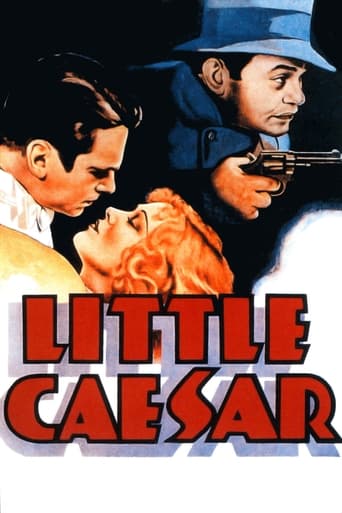
More Crime films
View all →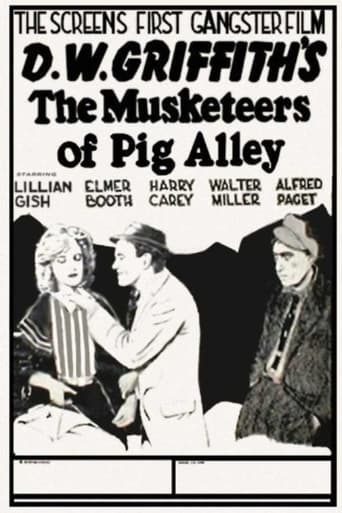
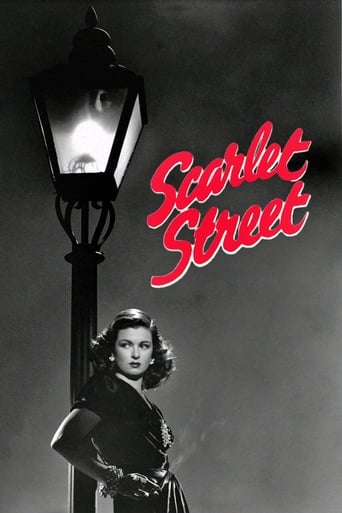
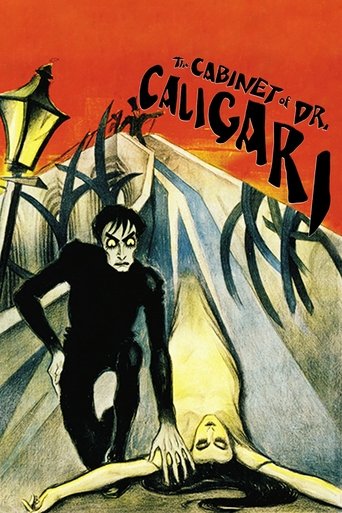

More from Lewis Milestone
View all →
More about this film
About the production
Release dateOctober 20, 1928
Box officeUnknown (silent era box office records were not systematically tracked)
ProductionThe Caddo Company, Paramount Pictures
Filmed inParamount Studios, Hollywood, California, Los Angeles, California
The film was based on a popular 1927 Broadway play by Bartlett Cormack, which itself was inspired by real-life corruption in Chicago. Lewis Milestone, who had just won an Academy Award for 'Two Arabian Knights' (1927), was chosen to direct. The production faced censorship challenges due to its depiction of police corruption and organized crime, requiring careful navigation of the Hays Code precursors. Thomas Meighan, a major star of the era, was specifically cast against type as the heroic police captain, having previously played more romantic leads. The film was rushed into production to capitalize on the public's fascination with gangster stories during the height of Prohibition.
Themes
Themes & topics
renegadepolicecaptainsetscatchsadisticbosspreserved
Historical background
Production circa 1928 meant fixed cameras, intertitles or early sound rigs, and studio economies that shaped every scene in The Racket.
Why this film matters
Reference works on 1928 cinema cite The Racket when tracing genre and regional production patterns.
Making of
Production details for The Racket are sparse in surviving records. Direction is attributed to Lewis Milestone.
What critics said
Modern retrospectives screen The Racket to illustrate 1928 pacing and camera norms.
Did you know?
- Directed by Lewis Milestone.
- Production country: United States.
- Release year commonly listed as 1928.
- TMDB identifier: 27777.
Awards & recognition
- Academy Honorary Award (1929) - Lewis Milestone for 'Unique and Artistic Production' (special award for the year)
Visual style
The cinematography of 'The Racket,' executed by veteran cameraman Charles Lang, the visual sophistication of late silent cinema. Lang employed innovative techniques including dramatic low-angle shots to emphasize the power of the gangster characters and high-angle shots to convey the vulnerability of victims. The film features extensive use of chiaroscuro lighting, creating stark contrasts between light and shadow that would later become hallmarks of film noir. Lang's camera work is particularly notable in the action sequences, where he uses dynamic movement and rapid editing to create tension and excitement. The urban sets are photographed with remarkable depth, creating a convincing sense of a sprawling, corrupt city. The film also features impressive tracking shots that follow characters through complex environments, demonstrating the technical prowess of late silent cinema. Lang's use of close-ups is particularly effective in conveying the psychological states of the characters, especially in the confrontations between McQuigg and Scarsi. The visual style balances realism with expressionistic elements, creating a distinctive look that elevates the material beyond typical genre fare.
Innovations
The Racket showcased several technical innovations that advanced the art of filmmaking in the late silent era. The production employed sophisticated miniature photography for establishing shots of the city, creating convincing urban environments that were far more detailed than typical studio backlots. The film's editing, supervised by Lewis Milestone, featured rapid cutting techniques that were ahead of their time, particularly in action sequences where cross-cutting between parallel storylines created maximum tension. The soundstage construction for interior scenes was particularly ambitious, featuring multi-level sets that allowed for complex camera movements and blocking. The film also made innovative use of process photography for certain exterior shots, allowing for the combination of location footage with studio work. The lighting design was unusually sophisticated for its time, using multiple light sources to create depth and dimension in the compositions. The film's special effects, while subtle, included carefully executed matte paintings and glass shots that expanded the visual scope of the production. The preservation and restoration process in 2016 also represented a technical achievement, using digital technology to stabilize the image, repair damage, and enhance contrast while maintaining the film's original visual character.
Music
As a silent film, 'The Racket' was originally presented with musical accompaniment that varied by theater and location. The score was typically provided by the theater's house organist or orchestra, using compiled music from various sources rather than a composed score. The film's mood and pacing were enhanced through carefully selected musical cues, with tense scenes accompanied by dramatic, dissonant music and moments of triumph underscored with heroic themes. The original cue sheets, discovered with the preserved print, suggest a mix of classical pieces, popular songs of the era, and specially arranged stock music. For the 2016 restoration, a new musical score was commissioned to accompany screenings, though it remains faithful to the style and spirit of 1920s silent film accompaniment. The restored version uses a combination of period-appropriate orchestral music and original compositions that enhance the film's dramatic moments without overwhelming the visual storytelling. The music effectively supports the film's themes of corruption and justice, using leitmotifs for different characters and situations. The soundtrack's role in creating atmosphere is particularly important in scenes without intertitles, where music carries the emotional weight of the narrative.
Famous quotes
You can't fight the whole city, Captain. You'll get yourself killed.
I didn't take this job to make friends. I took it to clean up this town.
In this city, the law and the criminals work together. The only difference is the uniforms.
Justice isn't blind in this town - she's on the payroll.
When you fight a racket, you don't just fight the gangsters. You fight the whole system that protects them.
Memorable scenes
- The tense confrontation in Scarsi's office where the mob boss tries to bribe Captain McQuigg, showcasing the moral battle between corruption and integrity
- The dramatic rooftop chase sequence where McQuigg pursues one of Scarsi's henchmen across the city skyline, demonstrating innovative camera work and stunt coordination
- The climactic courtroom scene where McQuigg presents his evidence against Scarsi, revealing the extent of the corruption network
- The opening sequence establishing the city's criminal underworld through a series of quick cuts showing various illegal operations
- The emotional scene where McQuigg's family is threatened, raising the personal stakes of his battle against crime
What audiences thought
Patrons who saw The Racket during initial runs judged it alongside other drama film releases of the day.
Film connections
Influenced by
- The Front Page (play)
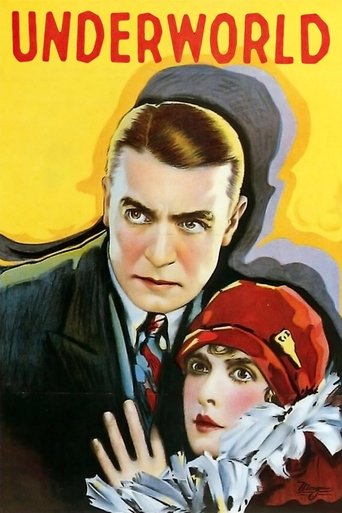
- Underworld (1927 film)
- Chicago crime stories of the 1920s
- German Expressionist cinema
- Broadway melodramas
- New York journalism
- Realist theater movement
This film influenced
- Little Caesar (1931)
- The Public Enemy (1931)
- Scarface (1932)
- G Men (1935)
- The Big Sleep (1946)
- On the Waterfront (1954)
- The Untouchables (1987 TV series)
- The Departed (2006)
Film restoration
The film was preserved by the Academy Film Archive in 2016 with funding from the National Film Preservation Foundation. For decades, 'The Racket' was considered a lost film, with only fragments known to exist. A complete 35mm print was discovered in the Howard Hughes film collection, which had been acquired by the University of Nevada, Las Vegas. The restoration process involved cleaning the original elements, repairing damage, and creating new preservation masters for both archival and exhibition purposes. The restored version premiered at the Academy's Samuel Goldwyn Theater as part of the 'Lost and Found' film series. The preservation effort ensured that this historically significant film, one of the first Best Picture nominees, remains accessible to scholars and audiences. The Academy Film Archive maintains the original preservation elements and makes the restored version available for screenings at film archives, museums, and special cinema events worldwide.
Where to watch
- The Criterion Channel (occasionally featured in silent film collections)
- Film streaming services specializing in classic cinema
- Academy Museum of Motion Pictures screenings
- Film archive screenings (Academy Film Archive, Library of Congress)
- Specialized film society events
- Museum of Modern Art film department screenings
- UCLA Film & Television Archive screenings
- Turner Classic Movies (occasionally broadcasts)
- Kino Lorber home video releases (if available)
- Public domain streaming sites (quality may vary)