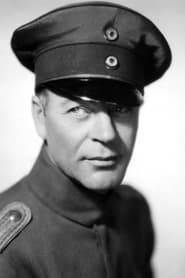
G. Pat Collins
Actor
Born: December 13, 1895 in New York City, New York, USA Died: August 7, 1959 Active: 1928-1928 Birth Name: George Patrick Collins
Films
3 films
About G. Pat Collins
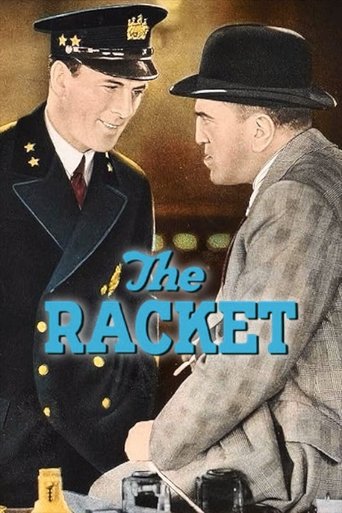
American character actor who worked primarily during the transition from silent films to early sound cinema in the late 1920s. His career, though brief, coincided with revolutionary periods in Hollywood history. Collins appeared in several notable films during 1928, with his most recognized performance being in the gangster drama 'The Racket,' which was nominated for the Academy Award for Outstanding Picture at the first Academy Awards ceremony. Like many character actors of his era, Collins often played supporting roles that added depth and authenticity to the productions. His work exemplified the type of reliable, professional acting that studios depended on during the rapid expansion of Hollywood's Golden Age. While his filmography was limited to primarily 1928, his contributions to early gangster films helped establish the genre conventions that would influence cinema for decades. Collins represents the many skilled character actors who were essential to Hollywood's studio system but whose names have largely faded from popular memory.
The Craft
On Screen
Collins employed a naturalistic acting style that bridged the gap between the exaggerated expressions of silent cinema and the more subtle performances required by sound films. His approach was grounded in realism, making him particularly effective in the gritty urban dramas that were becoming popular in the late 1920s.
Milestones
- Appeared in 'The Racket' (1928), nominated for first Academy Award
- Worked during the pivotal transition from silent to sound films
- Contributed to early gangster film genre development
Best Known For
Iconic Roles
Must-See Films
Accolades
Nominated
- The Racket (1928) - Academy Award nominee for Outstanding Picture (as cast member)
Working Relationships
Worked Often With
Studios
Why They Matter
Impact on Culture
G. Pat Collins contributed to the foundational development of the gangster film genre, which would become one of Hollywood's most enduring and influential genres. His work in 'The Racket' helped establish the visual and narrative conventions that would define gangster films throughout the 1930s and beyond. As part of the ensemble cast of one of the first films to receive an Academy Award nomination, Collins participated in a historic moment that helped establish the prestige and cultural significance of American cinema.
Lasting Legacy
While G. Pat Collins may not be a household name today, his legacy lives on through his contribution to early gangster cinema and his participation in. 'The Racket' remains an important historical film, studied by film scholars for its role in establishing genre conventions and its place in Academy Award history. Collins represents the countless character actors who were essential to Hollywood's golden age but whose individual contributions have been largely overlooked by time.
Who They Inspired
As a supporting actor in an influential early gangster film, Collins helped demonstrate the importance of ensemble casting in creating authentic urban environments on screen. His naturalistic approach to acting during the silent-to-sound transition period exemplified the techniques that would become standard in sound cinema, influencing how character actors would approach their craft in the decades that followed.
Off Screen
George Patrick Collins was born and raised in New York City, which likely influenced his casting in urban crime dramas. He worked during the challenging transition period when many silent film actors struggled to adapt to sound cinema. Collins was part of the generation of actors who witnessed the complete transformation of the film industry in just a few years.
Did You Know?
- His full birth name was George Patrick Collins, with 'G. Pat' being his professional stage name
- He appeared in films during
- 'The Racket' was one of only three films nominated for Best Picture at the very first Academy Awards in 1929
- The film was considered so controversial in its depiction of police corruption that it was banned in Chicago for several years
- Despite his brief film career, Collins worked during the same period as actors like Al Jolson, Buster Keaton, and Charlie Chaplin
- He was part of the generation that witnessed the complete obsolescence of silent film acting techniques
- The Racket was remade in 1951, though Collins did not appear in the later version
- His active years covered the exact year when Warner Bros. Revolutionized the industry with 'The Jazz Singer'
Frequently Asked Questions
Who was G. Pat Collins?
American character with credits in this catalog.
What films is G. Pat Collins best known for?
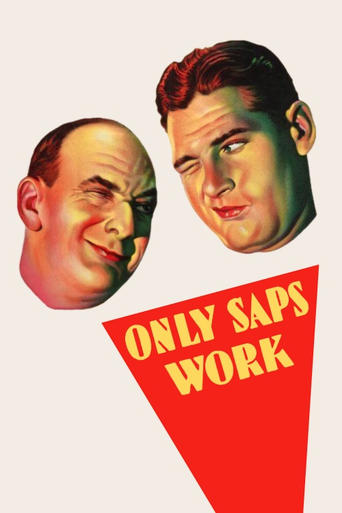
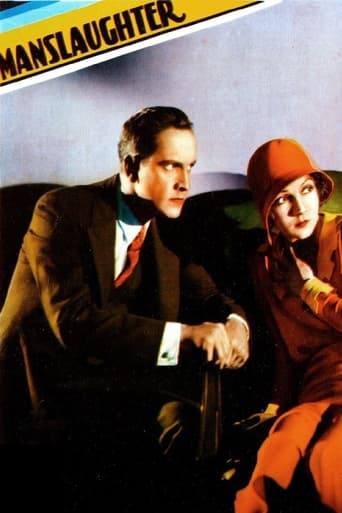
Titles linked here include The Racket (1928).
When was G. Pat Collins born and when did he die?
Born December 13, 1895; died August 7, 1959.
What awards did G. Pat Collins win?
While G. Pat Collins did not receive any personal awards or nominations, he was part of the cast of 'The Racket,' which was nominated for Outstanding Picture at the first Academy Awards ceremony in 1929.
What was G. Pat Collins's acting style?
Collins employed a naturalistic acting style that bridged silent and sound cinema techniques, focusing on realistic portrayals that were particularly effective in the urban crime dramas of his era.
Why is G. Pat Collins significant in film history?
Collins is significant for his contribution to early gangster cinema and his participation in a film that helped establish the Academy Awards' prestige during Hollywood's pivotal transition from silent to sound films.
Did G. Pat Collins have a long career in Hollywood?
No, Collins had a very brief film career that appears to have been limited to 1928, making him representative of many actors who worked during the chaotic transition period but did not establish long-term careers in sound cinema.