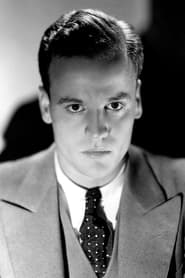
John Darrow
Actor
Born: July 17, 1907 in Syracuse, New York, United States Died: February 8, 1980 Active: 1928-1931 Birth Name: John Darrow Smith
Films
3 films
About John Darrow
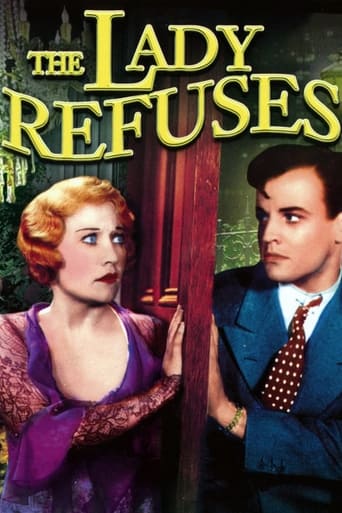
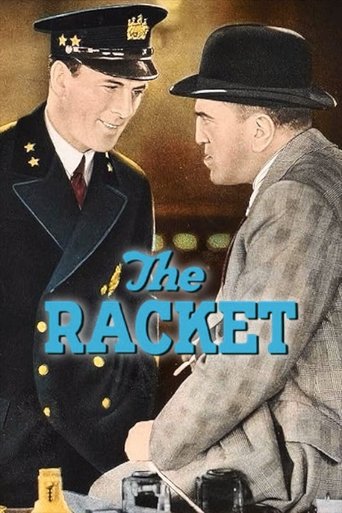
John Darrow is credited on a single production — The Racket (1928). He worked primarily for Paramount Pictures during his brief but notable career, often playing romantic leads and sophisticated characters in both dramatic and light comedy roles. His performance in 'The Lady Refuses' (1931) opposite Margaret Livingston showcased his ability to handle complex emotional material during the early sound era. Despite his promising start and good looks, Darrow's career was relatively short-lived, as he retired from acting in the early 1930s. His filmography, while brief, represents an important snapshot of Hollywood's transitional period, capturing the challenges and opportunities faced by actors adapting to the new medium of sound cinema.
The Craft
On Screen
John Darrow was known for his naturalistic acting style that adapted well to the new demands of sound cinema. Unlike many silent film stars who struggled with the transition, Darrow possessed a clear, pleasant speaking voice and understated delivery that suited the intimate nature of early talkies. His performances were characterized by a sophisticated charm and emotional restraint, often playing the romantic lead with a blend of earnestness and urban sophistication. Darrow's acting technique emphasized subtlety over melodrama, making him particularly effective in dramatic roles that required nuanced emotional expression. His screen presence combined classic leading man good looks with a relatable, approachable quality that resonated with audiences during the early sound period.
Milestones
- Debut in the acclaimed gangster film 'The Racket' (1928)
- Leading role in 'The Lady Refuses' (1931)
- Successful transition from silent films to talkies
- Contract player at Paramount Pictures during the early sound era
- Appeared in over 20 films in just four years
Best Known For
Iconic Roles
Must-See Films
Working Relationships
Worked Often With
Studios
Why They Matter
Impact on Culture
John Darrow represents the generation of actors who successfully navigated the challenging transition from silent films to talkies, though his career was ultimately brief. His work in 'The Racket' (1928) places him within the important early gangster film genre that would become a cornerstone of American cinema. Darrow's ability to adapt his acting style for sound films demonstrated the new technical and artistic requirements facing actors in the early 1930s. While not a major star, his filmography provides valuable insight into the types of romantic leading roles that were popular during this transitional period. His career trajectory also reflects the volatility of early Hollywood, where even promising actors could find their careers ending quickly due to the rapidly changing industry landscape and the intense competition for roles during the studio system's peak years.
Lasting Legacy
John Darrow's legacy lies primarily in his contribution to early sound cinema and his role in. Though his career was short, his performances have been preserved as part of film history, offering modern viewers a glimpse into the acting styles and production values of Hollywood's transitional period. His successful adaptation to sound films, while many of his contemporaries struggled, makes him an interesting case study in the evolution of screen acting. Darrow's work in 'The Racket' ensures his place in film history, as the movie is frequently studied and referenced in discussions of early gangster cinema. His marriage to Marie Mosquini also connects him to the broader narrative of Hollywood's silent era and the personal stories of those who lived through its dramatic changes.
Who They Inspired
John Darrow's influence on cinema was limited by his brief career, but his successful transition from silent to sound films served as an example for other actors facing similar challenges. His naturalistic acting style in early talkies demonstrated that subtlety and restraint could be more effective than the theatrical approach common in silent films. While he didn't mentor other actors directly, his performances in films like 'The Racket' contributed to the development of the gangster genre and influenced how romantic leads were portrayed in early sound cinema. His career path also illustrates the precarious nature of stardom during Hollywood's golden age, serving as a cautionary tale about the fleeting nature of fame in the film industry.
Off Screen
John Darrow was married to actress and screenwriter Marie Mosquini, former silent film star who had been married to comedian Charley Chase before their divorce. The couple married in 1932, shortly after Darrow retired from acting, and remained together until Mosquini's death in 1963. Following his acting career, Darrow largely stayed out of the public eye and pursued business interests outside of Hollywood. He spent his later years in California, maintaining connections with the film community through his wife's industry relationships. Darrow never had children and lived a relatively private life after his brief Hollywood career.
Education
Educated in Syracuse, New York; later studied drama in New York City before moving to Hollywood
Family
- Marie Mosquini (1932-1963)
Did You Know?
- Born John Darrow Smith but used his middle name professionally
- Made his film debut in 'The Racket' (1928), which was nominated for an Academy Award for Best Picture
- Retired from acting at the young age of 24, after only four years in films
- Married Marie Mosquini, who was previously married to comedian Charley Chase
- 'The Racket' was one of the first gangster films and helped establish the genre
- Appeared in both silent and sound films, making him part of the transitional generation of actors
- Worked primarily as a contract player for Paramount Pictures
- His filmography consists of approximately 20 films made between 1928 and 1931
- Unlike many silent actors, he successfully adapted to sound films with his clear speaking voice
- His last film appearance was in 'The Lady Refuses' (1931) before retiring from the industry
Frequently Asked Questions
Who was John Darrow?
American with credits in this catalog. His active years covered only four years from 1928 to 1931, but he successfully adapted to sound films during this pivotal period in cinema history.
What films is John Darrow best known for?
Titles linked here include The Racket (1928), The Lady Refuses (1931).
When was John Darrow born and when did he die?
Born July 17, 1907; died February 8, 1980.
What awards did John Darrow win?
John Darrow did not receive any major awards or nominations during his brief acting career. However, he appeared in 'The Racket' (1928), which was nominated for the Academy Award for Best Picture at the very first Academy Awards ceremony, though the nomination was for the film itself rather than for any individual performance.
What was John Darrow's acting style?
John Darrow was known for his naturalistic acting style that adapted well to sound films, characterized by a clear speaking voice and understated emotional delivery. Unlike many silent film stars who struggled with the transition to talkies, Darrow's restrained approach and sophisticated charm made him particularly effective in romantic leading roles during the early sound era.
Why did John Darrow retire from acting so early?
John Darrow retired from acting in 1931 at the young age of 24, after only four years in the film industry. While specific reasons for his early retirement are not extensively documented, it was common during Hollywood's studio era for actors to leave the industry for various personal or professional reasons. Darrow subsequently married former silent film star Marie Mosquini and pursued interests outside of entertainment.
How did John Darrow contribute to early gangster films?
John Darrow contributed to the development of the gangster genre through his role in 'The Racket' (1928), one of the earliest and most influential gangster films. His performance helped establish character types and narrative elements that would become staples of the genre, and the film itself is frequently cited as a foundational work in gangster cinema history.