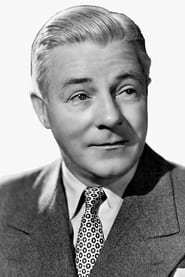
Richard 'Skeets' Gallagher
Actor
Born: January 25, 1891 in San Francisco, California, United States Died: May 22, 1955 Active: 1925-1940 Birth Name: Richard Gallagher
Films
3 films
About Richard 'Skeets' Gallagher
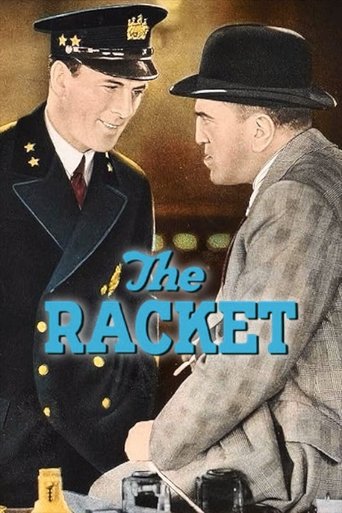
distinctive character actor of the late silent era and early sound period — known for his rubbery face and expressive comedic timing. Born in 1891, he began his entertainment career in vaudeville before transitioning to films in the mid-1920s, where his unique physical comedy skills quickly made him a sought-after supporting player. Gallagher's breakthrough came with his role in Howard Hughes' controversial gangster film The Racket (1928), where he played the comic relief character alongside established stars. Throughout the early 1930s, he appeared in numerous films for major studios, often playing wisecracking sidekicks, nervous clerks, or comic relief characters who provided levity in dramatic productions. His career peaked during the transition from silent films to talkies, where his expressive face and distinctive voice made him particularly valuable to studios adapting to sound. Despite his consistent work, Gallagher remained primarily a supporting actor rather than a leading man, though his performances were often memorable enough to stand out in ensemble casts. By the mid-1930s, his film appearances began to decline as Hollywood's tastes changed, though he continued working in smaller roles and returned occasionally to stage work.
The Craft
On Screen
Gallagher was known for his highly physical comedic style, utilizing exaggerated facial expressions and rubber-like contortions that made him particularly effective in visual comedy. His background in vaudeville gave him impeccable timing and the ability to deliver rapid-fire dialogue with a nervous energy that became his trademark. In silent films, his expressive features allowed him to convey complex emotions without dialogue, while in talkies, his distinctive high-pitched voice and rapid speech patterns added another layer to his comedic persona.
Milestones
- Breakthrough role in The Racket (1928)
- Transition to sound films successfully
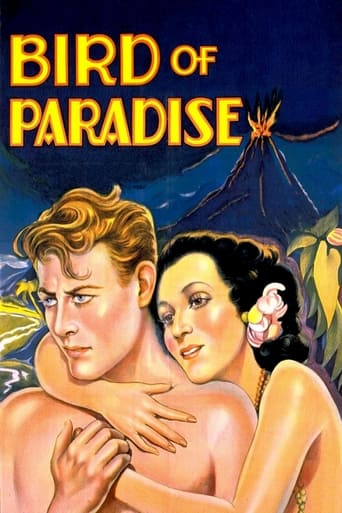
- Memorable comic performance in Bird of Paradise (1932)
- Consistent work during early talkie period
- Vaudeville background contributing to film success
Best Known For
Iconic Roles
Must-See Films
Working Relationships
Worked Often With
Studios
Why They Matter
Impact on Culture
Richard 'Skeets' Gallagher represents an important transitional figure in Hollywood history, embodying the bridge between silent film comedy and early sound cinema. His ability to adapt his physical comedy skills to the new medium of talkies demonstrated how vaudeville-trained performers could successfully navigate the technological revolution in filmmaking. Gallagher's work in gangster films like The Racket helped establish the template for comic relief in otherwise serious crime dramas, a convention that would become standard throughout the 1930s and beyond. His distinctive nervous energy and rapid-fire delivery influenced subsequent generations of character actors who specialized in playing anxious, fast-talking supporting roles.
Lasting Legacy
While not a major star, Richard 'Skeets' Gallagher left an indelible mark on Hollywood's early sound era through his memorable character performances. Film historians and classic cinema enthusiasts recognize him as a quintessential example of the skilled supporting actors who populated Golden Age films, providing essential comic relief and texture to ensemble casts. His performances survive as valuable artifacts of early sound comedy, demonstrating how physical humor evolved from the silent era to accommodate dialogue. Gallagher's career trajectory also illustrates the challenges faced by many character actors whose specific skills became less fashionable as cinematic styles changed throughout the 1930s and 1940s.
Who They Inspired
Gallagher's nervous, high-energy comedic style influenced subsequent character actors specializing in anxious, fast-talking roles, including performers like Eddie 'Rochester' Anderson and Frank McHugh. His ability to blend physical comedy with verbal wit in early talkies helped establish techniques that would be refined by later comedians. The archetype of the nervous sidekick or comic relief character that Gallagher helped develop became a staple throughout Hollywood's Golden Age, appearing in countless genres from gangster films to musicals.
Off Screen
Richard Gallagher maintained a relatively private personal life despite his public career in entertainment. He married actress and fellow vaudevillian Lillian Worth in 1925, and the couple remained together until his death in 1955. Unlike many Hollywood actors of his era, Gallagher avoided the gossip columns and scandal sheets, focusing instead on his craft and maintaining a reputation as a reliable professional. After his film career declined in the late 1930s, he returned to his roots in live performance, appearing in stage productions and radio shows. He spent his final years in Los Angeles, where he died of a heart attack at the age of 64, leaving behind a legacy of memorable character performances that spanned the crucial transition from silent films to sound.
Education
Limited formal education; trained primarily through vaudeville circuit experience and theater performance
Family
- Lillian Worth (1925-1955)
Did You Know?
- The nickname 'Skeets' came from his childhood, reportedly because he was small and quick like a mosquito (skeeter)
- He began his entertainment career at age 15 as a circus performer
- Gallagher was one of the few silent film actors who successfully transitioned to sound without major career disruption
- His distinctive facial expressions earned him the nickname 'the man with a thousand faces' among studio crews
- Despite appearing in over 80 films, he never received a screen credit larger than fourth billing
- He was a skilled amateur boxer before focusing on entertainment
- Gallagher often performed his own stunts due to his circus background
- He was known on set for his ability to break character and make fellow actors laugh during serious scenes
- His wife Lillian Worth was also a successful silent film actress before retiring to support his career
- Gallagher was one of the founding members of the Hollywood Comedy Club
- He made a brief return to films in 1940 after a several-year hiatus, appearing in uncredited roles
In Their Own Words
In vaudeville, you learn timing or you starve. In pictures, you learn timing or they find someone who already has it.
The microphone didn't scare me. What scared me was the director who thought he knew comedy better than a man who'd been making people laugh for twenty years.
Being a character actor is like being a good spice. You don't make the meal, but without you, it's bland.
Frequently Asked Questions
Who was Richard 'Skeets' Gallagher?
American character with credits in this catalog.
What films is Richard 'Skeets' Gallagher best known for?
Titles linked here include The Racket (1928), Bird of Paradise (1932).
When was Richard 'Skeets' Gallagher born and when did he die?
Born January 25, 1891; died May 22, 1955.
What awards did Richard 'Skeets' Gallagher win?
Despite his prolific career and memorable performances, Richard 'Skeets' Gallagher did not receive any major formal awards or nominations during his lifetime, which was common for character actors of his era.
What was Richard 'Skeets' Gallagher's acting style?
Gallagher was known for his highly physical comedic style featuring exaggerated facial expressions, rubber-like contortions, and rapid-fire dialogue delivery, all honed through his extensive vaudeville background before entering films.