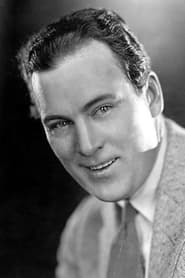
Thomas Meighan
Actor
Born: April 9, 1879 in Pittsburgh, Pennsylvania, USA Died: July 8, 1944 Active: 1915-1934
Films
9 films
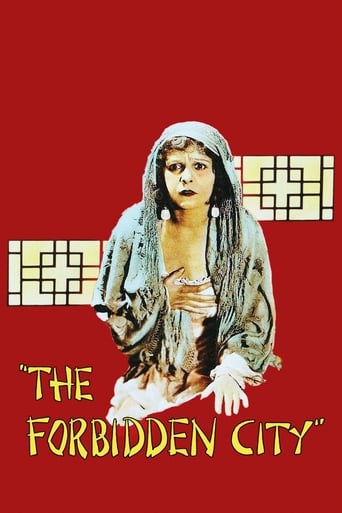
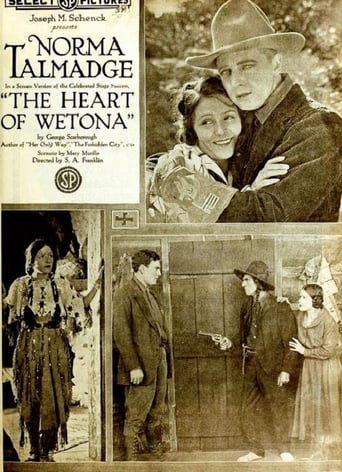
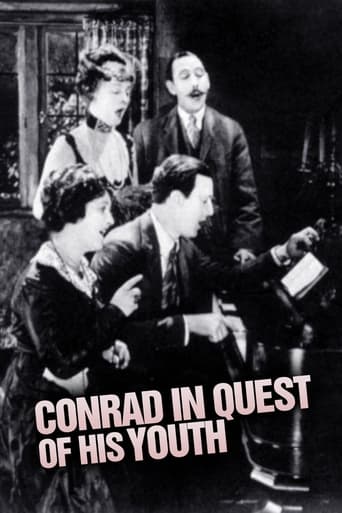
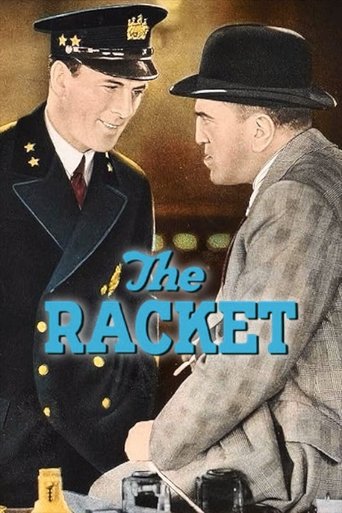

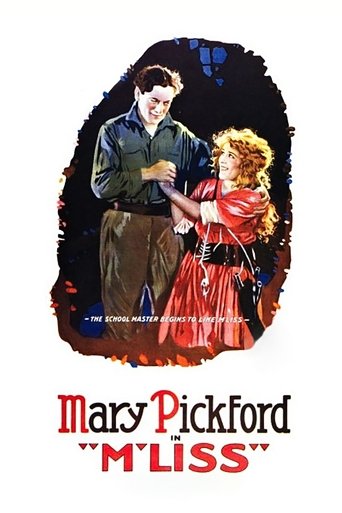
About Thomas Meighan
Thomas Meighan was popular and successful leading men of the silent era, known for his tall, commanding presence and naturalistic acting style that helped bridge the gap between theatrical and film performance. Born in Pittsburgh, he began his career as a railroad clerk before discovering his passion for acting, eventually making his way to Broadway where he established himself as a reliable leading man. His transition to films came in 1915 when he signed with Famous Players Film Company, which later became Paramount Pictures, quickly becoming one of the studio's most valuable assets. Meighan's career peaked in the 1920s when he was among Hollywood's highest-paid actors, frequently collaborating with director Cecil B. DeMille in sophisticated romantic dramas and comedies. He successfully made the transition to sound films, though his popularity began to wane in the early 1930s as newer stars emerged. After a career spanning nearly two decades and over 80 films, Meighan retired from acting in the early 1930s, leaving behind a legacy as one of silent cinema's most dependable and bankable stars. He was married to actress Frances Ring, sister of fellow silent film star Blanche Sweet, and was widely respected for his professionalism and reliability throughout his career.
The Craft
On Screen
Thomas Meighan was known for his naturalistic and understated acting style, which stood in contrast to the more theatrical performances common in silent films. He possessed a tall, athletic build and commanding screen presence, often playing sophisticated, authoritative characters with a natural charm and reliability. His performance technique emphasized subtlety and restraint, using minimal gestures and facial expressions to convey emotion, which made him particularly effective in the transition to sound films. Meighan's approach was grounded in realism, drawing from his Broadway training but adapting it for the intimacy of the camera, making him one of the more modern actors of his era.
Milestones
- Broadway stage career before films (1910s)
- Signed with Famous Players/Paramount Pictures (1915)
- Breakthrough role in 'The Miracle Man' (1919)
- Major collaboration with Cecil B. DeMille (1919-1925)
- Highest-paid actor of the 1920s era
- Successful transition to sound films
- Hollywood Walk of Fame star dedication
Best Known For
Iconic Roles
Must-See Films
Accolades
Special Recognition
- Hollywood Walk of Fame star (1724 Vine Street)
- One of the highest-paid actors in Hollywood during the 1920s
- Paramount Pictures' most valuable male star of the early 1920s
Working Relationships
Worked Often With
Studios
Why They Matter
Impact on Culture
Thomas Meighan played a significant role in shaping the archetype of the American leading man during the transition from silent films to sound, representing the sophisticated, authoritative male figure that would dominate Hollywood cinema. His naturalistic acting style helped move film performance away from theatrical exaggeration toward more realistic portrayals, influencing subsequent generations of actors. As one of Paramount's biggest stars, he contributed to the studio's dominance in the 1920s and helped establish the star system that would define Hollywood's golden age. Meighan's successful transition to sound demonstrated that silent film stars could adapt to the new medium, providing a model for other actors facing this challenge. His collaborations with Cecil B. DeMille resulted in some of the most significant films of the early 1920s, helping to define the American cinema aesthetic and storytelling techniques that would influence filmmakers worldwide.
Lasting Legacy
Thomas Meighan's legacy endures as that of a quintessential silent era leading man who embodied the transition from theatrical film acting to the more naturalistic style that would define Hollywood's golden age. Despite being less remembered today than contemporaries like Charlie Chaplin or Douglas Fairbanks, Meighan was among the most popular and bankable stars of his time, with films that were both critical and commercial successes. His work with Cecil B. DeMille represents some of the most significant American cinema of the early 1920s, showcasing sophisticated storytelling and production values that helped establish Hollywood's global dominance. Meighan's career trajectory - from Broadway to silent stardom to successful sound transition - serves as a model of adaptability in the rapidly changing film industry. His professional reputation and stable personal life also provided a positive counter-example to the scandal-ridden image of many silent film stars, contributing to the growing respectability of the acting profession.
Who They Inspired
Thomas Meighan influenced subsequent generations of actors through his naturalistic performance style, which demonstrated that subtlety and restraint could be more powerful than exaggerated gestures on film. His success in both dramatic and comedic roles helped establish the versatility expected of leading men in Hollywood. Many actors who transitioned from silent films to sound looked to Meighan's example of adapting performance techniques for the new medium. His professional approach to filmmaking and reliability as a star set standards for studio contract players that would influence the industry's star system for decades. Meighan's work with Cecil B. DeMille also influenced how leading men could serve as both romantic heroes and moral centers in complex narratives, a template that would be used in countless Hollywood productions throughout the golden age.
Off Screen
Thomas Meighan married actress Frances Ring in 1909, who was the sister of prominent silent film star Blanche Sweet, thus connecting him to one of Hollywood's notable acting families. The couple remained married until Meighan's death in 1944, maintaining a stable and private personal life away from the scandals that plagued many of his contemporaries. They had no children together. Before his acting career, Meighan worked as a clerk for the Pennsylvania Railroad, a humble beginning that made his later success even more remarkable. He was known in Hollywood circles as a professional, reliable actor who avoided the wild lifestyle associated with many silent film stars, instead preferring a quieter domestic life with his wife when not filming.
Education
Limited formal education; worked as a railroad clerk before pursuing acting career
Family
- Frances Ring (1909-1944)
Did You Know?
- Began his entertainment career as a railroad clerk before discovering acting
- Was one of the highest-paid actors in Hollywood during the 1920s, earning over $7,500 per week
- Made his film debut at age 36, relatively late for a silent film star
- His wife Frances Ring was the sister of actress Blanche Sweet, connecting him to Hollywood royalty
- Successfully transitioned to sound films unlike many of his silent era contemporaries
- Retired from acting in 1932 while still at the height of his earning power
- Was known as 'The Man of a Thousand Faces' before Lon Chaney earned that nickname
- Stood 6'2" tall, making him one of the taller leading men of his era
- Was a skilled athlete and performed many of his own stunts
- His films grossed over $100 million during the 1920s (equivalent to over $1.5 billion today)
In Their Own Words
I don't believe in movie stars who think they're bigger than the pictures they're in.
The secret to success in pictures is simple: be on time, know your lines, and don't cause trouble.
Acting for the camera is different from the stage. The camera sees everything, even what you don't show.
I've been lucky. I've worked with the best people and made pictures that people wanted to see.
Frequently Asked Questions
Who was Thomas Meighan?
Prominent American with credits in this catalog. DeMille. He successfully transitioned from Broadway to films in 1915 and became one of Hollywood's highest-paid actors during the 1920s.
What films is Thomas Meighan best known for?
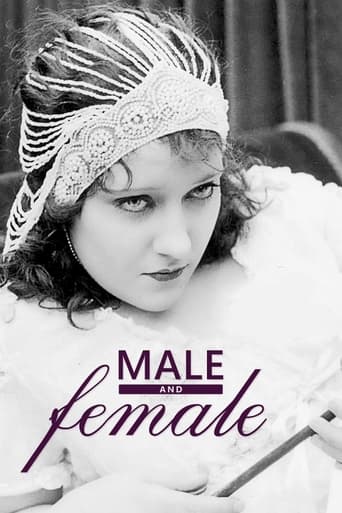
Titles linked here include The Miracle Man (1919), Male and Female (1919).
When was Thomas Meighan born and when did he die?
Born April 9, 1879; died July 8, 1944.
What awards did Thomas Meighan win?
While Thomas Meighan did not win major awards during his career (the Academy Awards were established near the end of his peak period), he received a star on the Hollywood Walk of Fame and was recognized as one of the highest-paid and most popular actors of the 1920s.
What was Thomas Meighan's acting style?
Meighan was known for his naturalistic and understated acting style, which contrasted with the more theatrical performances common in silent films. He emphasized subtlety and restraint, using minimal gestures to convey emotion, making him particularly effective in both dramatic and comedic roles.
How did Thomas Meighan transition to sound films?
Meighan successfully transitioned to sound films in the early 1930s, unlike many of his silent era contemporaries. His naturalistic acting style and clear voice made him well-suited for talkies, though his popularity waned as newer stars emerged in the sound era.
Was Thomas Meighan married?
Yes, Thomas Meighan was married to actress Frances Ring from 1909 until his death in 1944. Frances was the sister of fellow silent film star Blanche Sweet, connecting Meighan to one of Hollywood's notable acting families.