
The Heart of Wetona
"Falls and engineer"
Keys: Space play/pause · ←/→ 10s · F fullscreen · M mute · </> speed
About this film
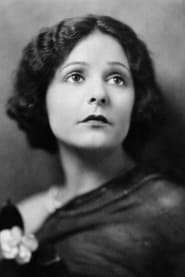
After the half-breed daughter of a Comanche chief falls for a young engineer who deserts her, she turns to a white Indian agent who marries her.
Cast & crew
More films like this
More Western films
View all →

More from Sidney Franklin
View all →

More about this film
About the production
Release dateOctober 12, 1919
ProductionNorma Talmadge Productions, Select Pictures Corporation
Filmed inCalifornia, Lone Pine, California
The film was one of several collaborations between star Norma Talmadge and director Sidney Franklin during this period. Talmadge, especially powerful women in Hollywood at the time, had her own production company and significant creative control over her projects. The film was adapted from a story by Edith M. Kennedy and featured elaborate location shooting in the California desert to authentically represent the Western setting.
Themes
Cultural identityInterracial romanceBetrayal and redemptionCivilization vs. natureFemale agency
Themes & topics
ComancheHalf-breedEngineerIndian agentDesertWestern frontierBetrayalLove triangleCultural conflictMarriage
Historical background
Made in 1919, The Heart of Wetona reflects production norms of the silent era before feature-length dominance—shorter runtimes, regional audiences, and limited preservation infrastructure.
Why this film matters
Historians reference The Heart of Wetona (1919) when discussing 1919 film by Sidney Franklin.
Making of
The production of 'The Heart of Wetona' took place during a transitional period in Hollywood, as the industry was moving toward more sophisticated storytelling techniques. Norma Talmadge, as both star and producer through her own company, had significant input into the creative direction of the film. The desert location shooting in Lone Pine, California, presented considerable challenges for the cast and crew, who had to endure extreme temperatures and primitive living conditions. Director Sidney Franklin was known for his meticulous attention to detail and worked closely with Talmadge to develop her character's emotional arc throughout the film. The interracial romance theme was considered controversial at the time, requiring careful handling to satisfy both audiences and censors of the era.
What critics said
Where contemporary reviews survive, The Heart of Wetona is discussed in terms of audience appeal at release; later criticism often reframes it through archive restoration and festival programming.
Did you know?
- Norma Talmadge was one of the highest-paid actresses of the silent era, earning approximately $8,000 per week during this period
- The film was part of Talmadge's successful transition from dramatic films to more commercial Western and romance genres
- Director Sidney Franklin would later go on to direct 'The Good Earth' (1937) and other acclaimed sound films
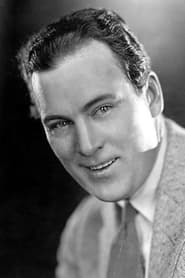
- Thomas Meighan, who played the engineer, was especially popular leading men of the 1910s and early 1920s
- The film's themes of racial identity and cultural conflict were relatively progressive for its time
- Norma Talmadge married film executive Joseph Schenck the same year this film was released
- The film was shot during the Spanish Flu pandemic, which caused production delays across Hollywood
- Authentic Comanche costumes and cultural elements were incorporated into the production design
- The film's title was sometimes marketed as 'Heart of Wetona' in some advertisements
- This was one of the last silent films Fred Huntley appeared in before his death in 1931
Visual style
The cinematography, handled by Tony Gaudio and H. Lyman Broening, utilized the expansive desert landscapes of Lone Pine, California to create dramatic visual contrasts between the natural world and the encroaching civilization. The film employed innovative location shooting techniques that were still relatively new in 1919, using natural light to enhance the authenticity of the Western setting. Camera work included sweeping panoramic shots of the desert and intimate close-ups of Talmadge to convey her character's emotional turmoil. The visual style reflected the transition from the more static compositions of early cinema to the more dynamic and mobile camerawork that would characterize the golden age of Hollywood.
Innovations
The film utilized advanced location shooting techniques for its time, taking full advantage of the natural desert landscapes to create authentic Western settings. The production employed some of the earliest examples of camera movement in outdoor scenes, using dollies and tracking shots to enhance the dramatic impact. The film's makeup and costume design for the Native American characters was considered more authentic than many contemporary productions, though still reflecting Hollywood stereotypes of the era. The editing techniques, particularly in the dramatic confrontation scenes, showed the growing sophistication of silent film narrative construction.
Music
As a silent film, 'The Heart of Wetona' would have been accompanied by live musical performance in theaters. The original score was composed by Victor Schertzinger, who created thematic leitmotifs for the main characters and key emotional moments. Theater orchestras typically received cue sheets with suggested musical selections, ranging from classical pieces to popular songs of the era. The music would have emphasized the romantic elements of the story while underscoring the dramatic tension in key scenes. Some larger theaters may have employed special sound effects to enhance the action sequences and outdoor scenes.
Famous quotes
I am the daughter of a chief, yet I am also the woman who loves you." - Wetona
The desert does not care about the color of your skin, only the strength of your heart." - Indian Agent
You came like the spring rain and left like the autumn wind." - Wetona to the engineer
Memorable scenes
- The dramatic desert confrontation where Wetona must choose between her two suitors, with the vast landscape emphasizing her isolation and the weight of her decision
- The opening ceremony establishing Wetona's status as the chief's daughter, featuring authentic Comanche costumes and rituals
- The emotional departure scene where the engineer abandons Wetona, using the setting sun as a metaphor for their fading romance
What audiences thought
The film was commercially successful upon its release, benefiting from Norma Talmadge's immense popularity with audiences of the era. Contemporary theater reports indicated strong attendance, particularly in urban centers where Talmadge had a devoted following. The romantic elements and Western setting appealed to a broad cross-section of moviegoers, from working-class patrons to more sophisticated audiences. The film's emotional storyline and Talmadge's star power generated significant word-of-mouth promotion. However, the interracial romance theme was controversial in some regions, particularly in Southern states where local censorship boards sometimes demanded cuts or alterations to the film.
Film connections
Influenced by
- The Squaw Man (1914)
- Ramona (1916)
- The Curse of the Red Snake (1918)
This film influenced
- The Song of the Cardinal (1925)
- The Vanishing American (1925)
- Redskin (1929)
Film restoration
Unfortunately, 'The Heart of Wetona' is considered a lost film. Like approximately 75% of American silent films, no complete prints are known to exist in any archive or private collection. Only fragments of the film or still photographs may survive in various film archives. The loss of this film is particularly significant given Norma Talmadge's stature as a silent film star and the film's exploration of themes that were relatively progressive for its time.
Where to watch
- As a lost film, 'The Heart of Wetona' is not available for viewing. Film enthusiasts may be able to find still photographs, lobby cards, or promotional materials in specialized film archives or through silent film collector communities.