
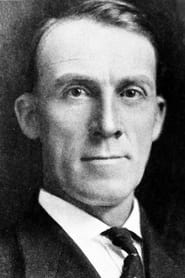
Fred Huntley
Actor
Born: August 26, 1862 in London, England Died: November 1, 1931 Active: 1912-1931 Birth Name: Frederick Charles Huntley
Films
6 films
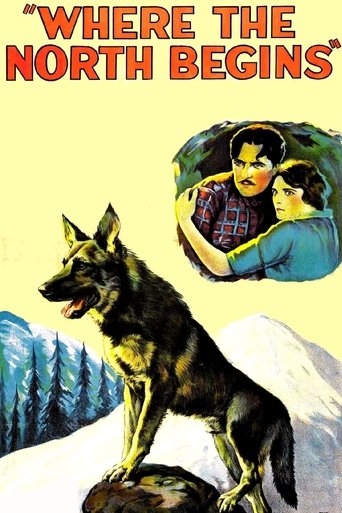
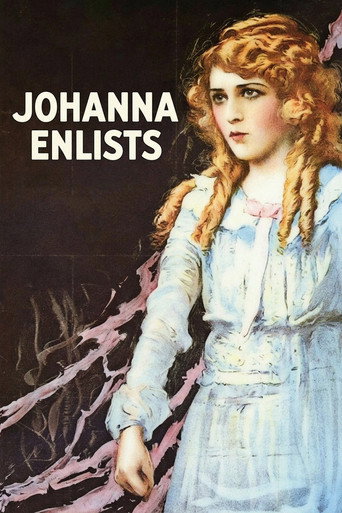
About Fred Huntley
Prolific British character actor who found success in American silent cinema during the early 20th century. Born in London in 1862, he began his career on the stage before transitioning to films around 1912. Huntley became a familiar face in Hollywood's silent era, appearing in over 150 films between 1912 and 1931. He specialized in playing authority figures, villains, and character roles, often portraying stern fathers, judges, or military officers. Huntley worked with many of the era's biggest stars, including Mary Pickford, Douglas Fairbanks, and Wallace Reid. His the entire silent era, and he successfully made the transition to sound films in his later years. He was known for his commanding screen presence and ability to convey complex emotions through subtle expressions, making him a valuable supporting actor in numerous productions.
The Craft
On Screen
Huntley was known for his commanding presence and ability to portray authority figures with gravitas. His acting style was typical of the theatrical tradition, using expressive gestures and facial expressions to convey emotion in silent films. He had a particular talent for playing stern but ultimately fair characters, bringing depth to what could have been one-dimensional roles.
Milestones
- Appeared in over 150 films during his career
- Worked with major stars like Mary Pickford and Douglas Fairbanks
- Successfully transitioned from stage to film
- Became one of Hollywood's most recognizable character actors
- Spanned the entire silent era and early sound period
Best Known For
Iconic Roles
Must-See Films
Working Relationships
Worked Often With
Studios
Why They Matter
Impact on Culture
Fred Huntley represented the transition from theatrical tradition to cinematic acting during the silent era. As a British actor who found success in Hollywood, he was part of the international exchange of talent that characterized early American cinema. His consistent presence in supporting roles helped establish the importance of character actors in creating believable film worlds, contributing to the development of ensemble acting techniques that would become standard in Hollywood.
Lasting Legacy
Though not a major star, Fred Huntley's extensive filmography makes him an important figure in the study of silent cinema. His work provides valuable insight into the craft of supporting acting during the early Hollywood era. Film historians and silent cinema enthusiasts continue to discover his performances in classic films, appreciating the skill and professionalism he brought to even the smallest roles.
Who They Inspired
Huntley's approach to character acting influenced subsequent generations of supporting players in Hollywood. His ability to create memorable characters with limited screen time demonstrated the importance of skilled character actors in film production, helping establish the profession as a respected and essential component of the film industry.
Off Screen
Fred Huntley was married and had children, though detailed information about his family life remains limited. He emigrated from England to the United States to pursue his film career, settling in California where the film industry was flourishing. He was known among his colleagues as a professional and reliable actor who brought consistency to his performances across numerous productions.
Education
Unknown
Family
- Unknown
Did You Know?
- Born in London but became a naturalized American citizen
- Appeared in over 150 films in less than 20 years
- Worked with both Mary Pickford and Douglas Fairbanks in their prime
- Was already in his 50s when he began his film career
- Successfully made the transition to sound films unlike many silent era actors
- Often played characters much older than his actual age
- Was part of the stock company at Famous Players-Lasky
- Appeared in both dramatic and comedic roles throughout his career
- His final film appearances were in early sound pictures
- Died in Los Angeles at the age of 69
In Their Own Words
No documented famous quotes are available from Fred Huntley, as was common for many supporting actors of the silent era who rarely gave interviews or had their words recorded for posterity.
Frequently Asked Questions
Who was Fred Huntley?
Screen credits include over 150 American silent films between 1912 and 1931. He was known for playing authority figures, stern fathers, and villains, working with many of the era's biggest stars including Mary Pickford and Douglas Fairbanks.
What films is Fred Huntley best known for?
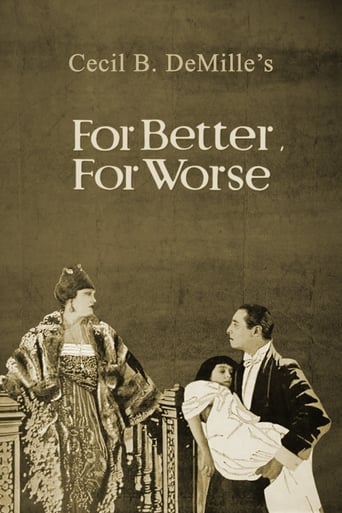
Titles linked here include Heart o' the Hills (1919), For Better, for Worse (1919).
When was Fred Huntley born and when did he die?
Born August 26, 1862; died November 1, 1931.
What awards did Fred Huntley win?
Fred Huntley did not receive any major awards or nominations during his career, which was common for character actors of the silent era who often worked without formal recognition despite their significant contributions to films.
What was Fred Huntley's acting style?
Huntley's acting style was rooted in theatrical tradition, using commanding presence and expressive gestures suitable for silent films. He specialized in portraying authority figures with gravitas and could convey complex emotions through subtle facial expressions and body language.
How did Fred Huntley transition from stage to film?
Huntley began his career on the stage in England before transitioning to American films around 1912 when he was already in his 50s. His theatrical training served him well in silent cinema, where exaggerated expressions were often necessary to convey emotion without dialogue.
What was Fred Huntley's legacy in cinema?
Huntley's legacy lies in his contributions to the craft of character acting in silent cinema. His extensive filmography provides valuable insight into early Hollywood ensemble acting, and his successful career demonstrated the importance of skilled supporting actors in creating believable and engaging films.