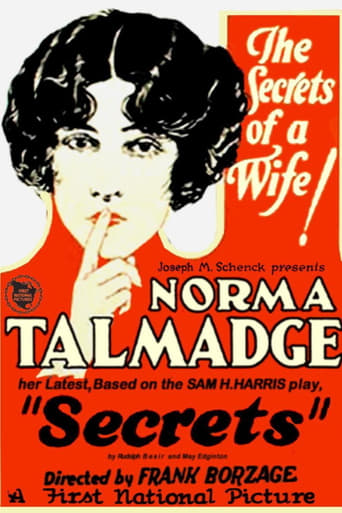
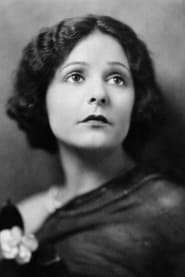
Norma Talmadge
Actor
Born: May 2, 1894 in Jersey City, New Jersey, USA Died: December 24, 1957 Active: 1910-1930 Birth Name: Norma Marie Talmadge
Films
16 films
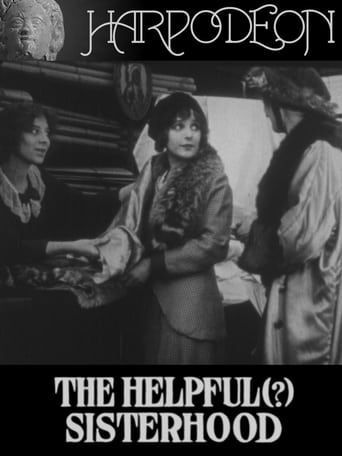
The Helpful (?) Sisterhood
1914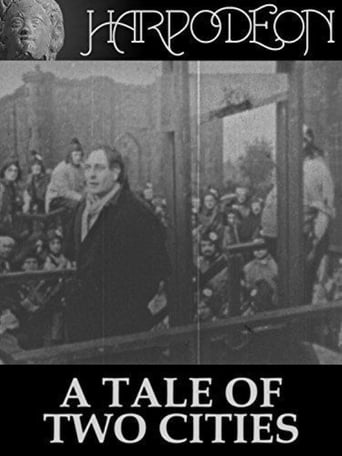
A Tale of Two Cities
1911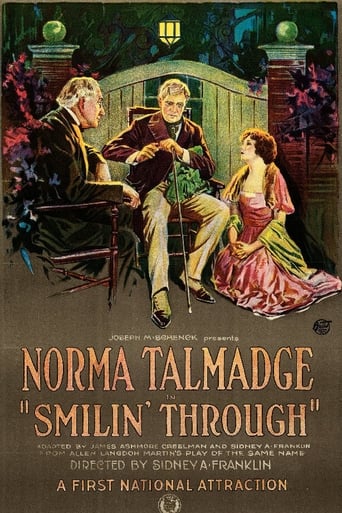
Smilin' Through
1922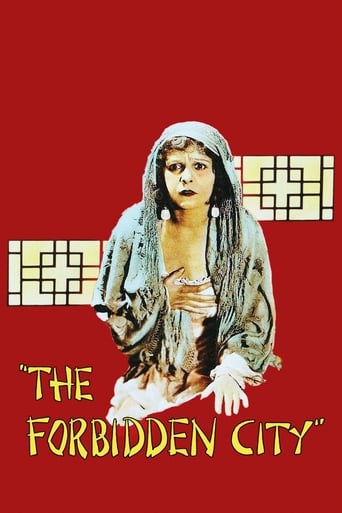
The Forbidden City
1918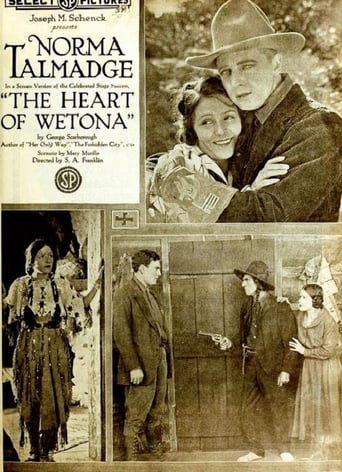
The Heart of Wetona
1919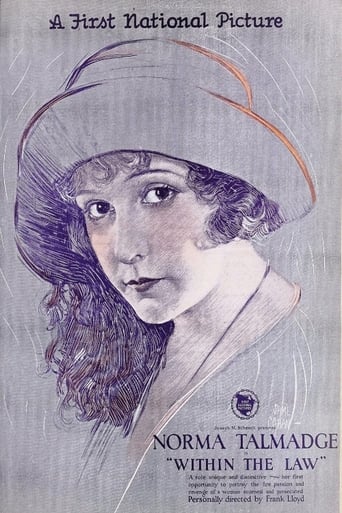
Within the Law
1923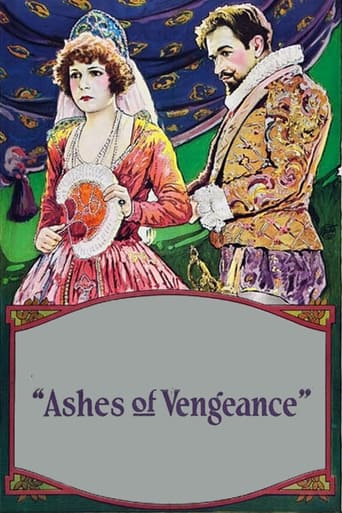
Ashes of Vengeance
1923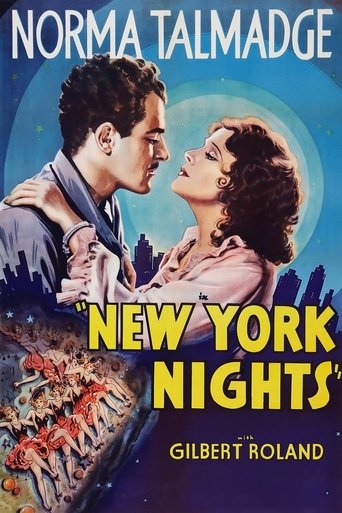
New York Nights
1929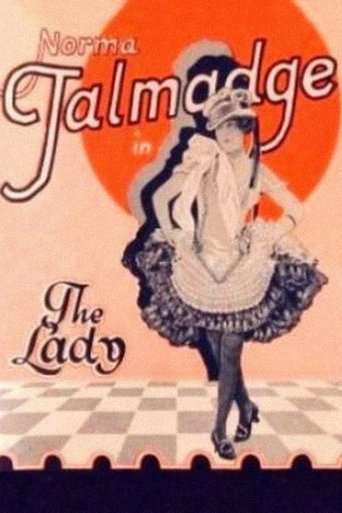
The Lady
1925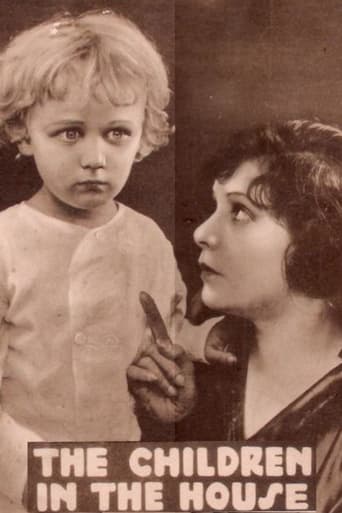
The Children in the House
1916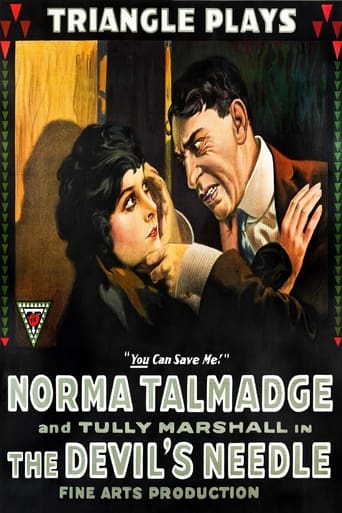
The Devil's Needle
1916
Seeing Stars
1922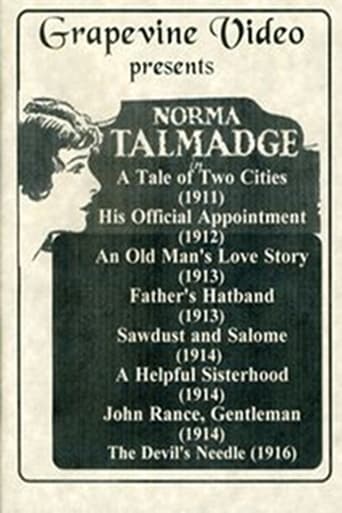
His Official Appointment
1912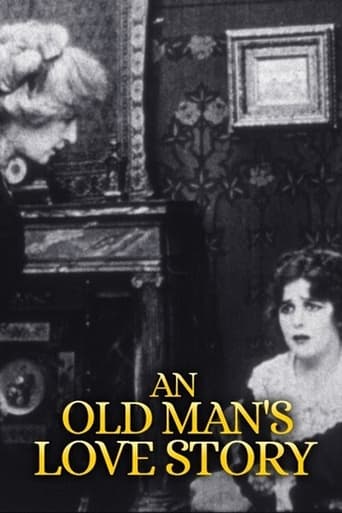
An Old Man's Love Story
1913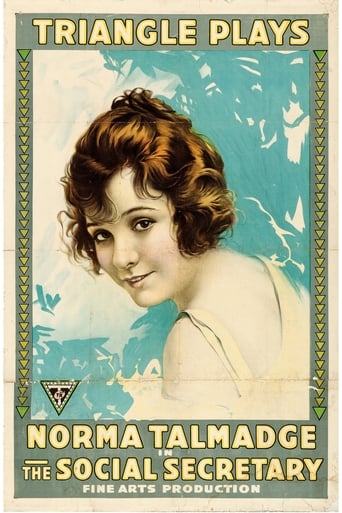
The Social Secretary
1916About Norma Talmadge
Norma Talmadge was prominent and successful actresses of the silent film era, rising from humble beginnings to become one of Hollywood's highest-paid stars. She began her career as a model and extra at Vitagraph Studios in 1910, quickly advancing to leading roles by 1911. Her career flourished when she formed her own production company with her husband Joseph Schenck, giving her unprecedented creative control and financial success. Throughout the 1920s, she starred in numerous successful melodramas and romantic films, becoming known for her emotional intensity and sophisticated screen presence. Despite her massive popularity in silents, her career declined with the advent of sound films, partially due to a thick Brooklyn accent that didn't suit the new medium. She made only a few sound films before retiring from acting in 1930, though she remained involved in film production through her marriage. Talmadge's legacy includes not only her impressive filmography but also her role as a businesswoman in early Hollywood, demonstrating that actresses could wield significant power both on and off screen.
The Craft
On Screen
Norma Talmadge was known for her intense emotional performances and sophisticated screen presence, specializing in melodramas and romantic roles. Her acting style was characteristic of the silent era's dramatic approach, using expressive facial features and body language to convey deep emotions. She had a particular talent for portraying suffering heroines and complex romantic characters, often in elaborate costume dramas. Critics noted her ability to switch between vulnerable and powerful personas within the same performance, creating memorable and emotionally resonant characters.
Milestones
- Formed her own production company in 1917
- Became one of highest-paid actresses of 1920s
- Married film executive Joseph Schenck
- Received star on Hollywood Walk of Fame
- Pioneered creative control for actresses in Hollywood
Best Known For
Iconic Roles
Must-See Films
Accolades
Won
- Hollywood Walk of Fame Star (1960, posthumous)
Special Recognition
- Hollywood Walk of Fame Star at 1500 Vine Street
- One of WAMPAS Baby Stars (1922)
- Named one of the top box office stars of 1920s
Working Relationships
Worked Often With
Studios
Why They Matter
Impact on Culture
Norma Talmadge's impact on cinema extended far beyond her performances on screen. As one of the first actresses to establish her own production company, she paved the way for future generations of women to gain creative and financial control in Hollywood. Her success demonstrated that actresses could be powerful business executives, challenging the male-dominated studio system of the era. Talmadge's films often featured strong female protagonists and explored complex themes of love, sacrifice, and social mobility, reflecting the changing roles of women in American society during the 1920s. Her glamorous lifestyle and fashion sense made her a trendsetter, influencing everything from hairstyles to clothing styles among American women. The decline of her career with the advent of sound also highlighted the dramatic transition period in cinema history and the challenges faced by silent film stars.
Lasting Legacy
Norma Talmadge's legacy endures as one of the silent era's most significant stars and business pioneers. She was among the first actresses to earn over $10,000 per week, setting new standards for star compensation in Hollywood. Her production company produced over 50 films, demonstrating the viability of independent film production during the studio era. Talmadge's career trajectory—from poverty-stricken child to Hollywood powerbroker—embodied the American dream and inspired countless performers who followed. Her films, particularly 'Smilin' Through' and 'The Dove,' remain important examples of silent melodrama and are studied by film historians. The Talmadge sisters collectively represented. Her story also serves as a cautionary tale about the transition from silent to sound films and the fragility of stardom in rapidly changing technological times.
Who They Inspired
Norma Talmadge influenced countless actors and filmmakers through her business acumen and artistic approach. Her success in establishing her own production company inspired future stars like Mary Pickford and Douglas Fairbanks to seek similar independence. Many actresses of subsequent generations, including Bette Davis and Olivia de Havilland, cited Talmadge's battles for creative control as inspiration for their own fights against the studio system. Her sophisticated acting style influenced melodramatic performances throughout the 1920s and early 1930s. Directors who worked with her, such as Frank Borzage, often credited her with bringing emotional depth and nuance to their films. The Talmadge name itself became synonymous with Hollywood glamour and success, influencing how studios marketed their female stars for decades to come.
Off Screen
Norma Talmadge's personal life was as dramatic as her film roles. She married film producer Joseph Schenck in 1916, and together they built a powerful Hollywood empire while becoming one of the industry's most influential couples. Their marriage ended in divorce in 1934, with Talmadge receiving a substantial settlement. She later married actor and comedian George Jessel in 1939, but this marriage also ended in divorce in 1941. Talmadge had no children of her own but was close to her sisters Constance and Natalie, both of whom were also successful actresses. In her later years, she lived a relatively private life in Las Vegas and Santa Monica, suffering from arthritis and other health issues before her death from pneumonia in 1957.
Education
Attended public schools in Brooklyn, New York; left school early to help support her family
Family
- Joseph Schenck (1916-1934)
- George Jessel (1939-1941)
Did You Know?
- Was one of the highest-paid actresses of the 1920s, earning up to $12,500 per week
- Her footprints at Grauman's Chinese Theatre were the first ever taken, though this was accidental
- Owned a famous Italian Renaissance mansion in Beverly Hills called 'The Abbey'
- Was one of the founders of the Academy of Motion Picture Arts and Sciences
- Her sister Constance was also a major silent film star
- Her other sister Natalie married Buster Keaton
- Was the first actress to have a production company named after her
- Her transition to sound films was difficult due to her Brooklyn accent
- Was a WAMPAS Baby Star in 1922, despite already being an established star
- Her 1927 film 'Camille' was considered lost for decades before being rediscovered
- Was known for her elaborate wardrobe and jewelry collection
- Helped launch the career of Gilbert Roland, whom she discovered and promoted
In Their Own Words
I've been a star for so long I've forgotten how to be an ordinary person.
In the pictures, I'm always suffering. In real life, I try to have a good time.
The public doesn't realize what a business motion pictures really are.
I don't mind being a star, but I do object to being treated like one.
Success is a dangerous thing. It makes you think you're important.
Frequently Asked Questions
Who was Norma Talmadge?
Norma Talmadge was. She formed her own production company and became one of Hollywood's highest-paid stars during the 1920s before her career declined with the advent of sound films.
What films is Norma Talmadge best known for?
Titles linked here include The Social Secretary (1916), The Moth (1917).
When was Norma Talmadge born and when did she die?
Born May 2, 1894; died December 24, 1957.
What awards did Norma Talmadge win?
While the Academy Awards weren't established during her peak career years, Norma Talmadge received a star on the Hollywood Walk of Fame and was recognized as one of the top box office stars of the 1920s. She was also named a WAMPAS Baby Star in 1922.
What was Norma Talmadge's acting style?
Norma Talmadge was known for her intense emotional performances characteristic of the silent era, using expressive facial features and body language to convey deep emotions. She specialized in melodramas and romantic roles, often portraying suffering heroines with sophistication and emotional intensity.
Was Norma Talmadge married?
Yes, Norma Talmadge was married twice. First to film producer Joseph Schenck from 1916 to 1934, with whom she built a powerful Hollywood empire, and later to actor George Jessel from 1939 to 1941.
Why did Norma Talmadge's career end?
Norma Talmadge's career declined primarily due to the transition from silent to sound films in the late 1920s. Her thick Brooklyn accent didn't suit the new medium, and she struggled to adapt her acting style for talkies, leading to her retirement from acting in 1930.