

Smilin' Through
"A woman haunted by the past meets her lost love's nephew."
Keys: Space play/pause · ←/→ 10s · F fullscreen · M mute · </> speed
About this film
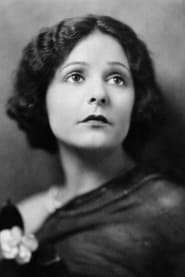
Norma Talmadge plays Kathleen, a young Irishwoman who loves Kenneth Wayne while her guardian John Carteret forbids the match. John still mourns Kathleen's aunt Moonyean, whom Talmadge also plays in flashback.
Cast & crew
More Romance films
View all →

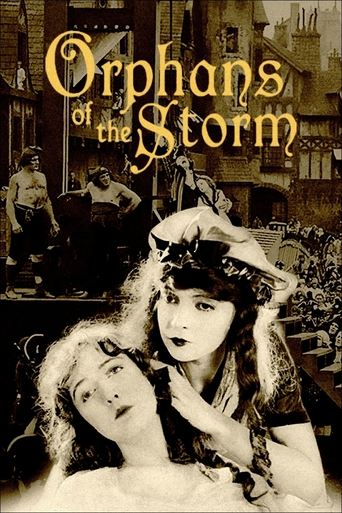


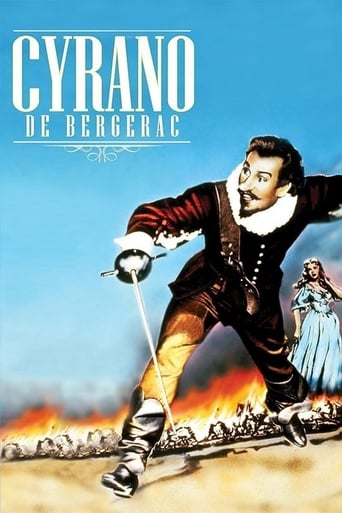
More from Sidney Franklin
View all →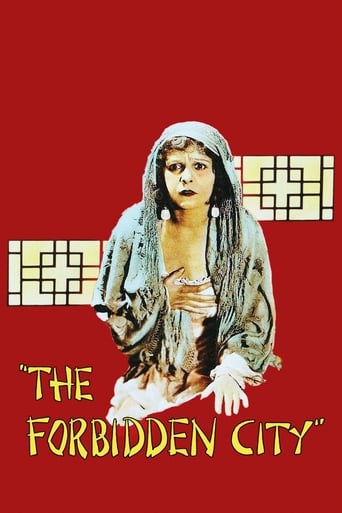
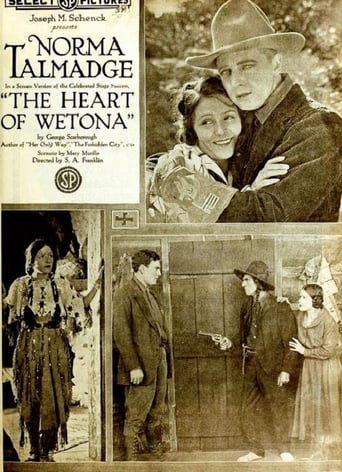

More about this film
About the production
Release dateSeptember 24, 1922
Box officeHighly successful - one of Norma Talmadge's biggest hits, grossing over $1 million domestically
ProductionNorma Talmadge Productions, Joseph M. Schenck Productions
Filmed inFamous Players-Lasky Studios, Astoria, New York, Selected location shots in California to simulate Irish countryside
The film was shot in the Astoria Studios in New York rather than Hollywood, which was unusual for major productions of the time. Norma Talmadge's husband Joseph Schenck produced the film through their independent production company. The dual role required extensive makeup and wardrobe changes, with Talmadge often filming scenes for both characters on the same day. The supernatural elements were achieved through double exposure techniques that were innovative for 1922.
Themes
Love transcending deathThe power of forgivenessCycle of hatred and redemptionSupernatural intervention in human affairsThe persistence of memory
Themes & topics
ghostrevengeforbidden lovedual rolesupernaturalIrish settingguardianfamily feudtragedyredemptionspiritweddingmurdergenerational storyforgiveness
Historical background
Smilin' Through (1922) survives in catalogs and archives as a record of late silent cinema.
Why this film matters
Scholars and collectors reference Smilin' Through when discussing how late silent cinema filmmakers addressed popular themes.
Making of
The production of 'Smilin' Through' was a major undertaking for Norma Talmadge Productions, requiring careful planning to handle the dual role and supernatural elements. Sidney Franklin, who would later direct sound classics like 'The Good Earth,' worked closely with cinematographer David Abel to achieve the ghostly effects through innovative use of double exposure and matte photography. Talmadge prepared extensively for her dual role, studying the differences in posture, movement, and demeanor between the innocent young Kathleen and the ethereal, tragic Moonyean. The film's success was particularly gratifying for Talmadge as she had fought to acquire the film rights to the popular stage play, competing with several major studios. The production team spent weeks creating the Irish cottage sets and countryside scenes, with special attention to period accuracy in costumes and props to maintain the story's turn-of-the-century setting.
What critics said
Where contemporary reviews survive, Smilin' Through is read against the tastes of 1922; revival screenings keep it in circulation.
Did you know?
- Norma Talmadge considered this one of her personal favorite performances among her extensive filmography
- The film was so popular it was remade twice - in 1932 with Norma Shearer and in 1941 with Jeanette MacDonald
- The original stage play by Jane Cowl and Jane Murfin was a massive Broadway hit, running for 175 performances in 1919-1920
- Wyndham Standing, who played John Carteret, was a British stage actor who successfully transitioned to silent films
- The supernatural scenes featuring Moonyean's ghost were considered technically advanced for their time
- Norma Talmadge's sister Constance Talmadge was also a major silent film star, but they rarely worked together
- The film's title comes from a popular song of the era that was incorporated into the stage play
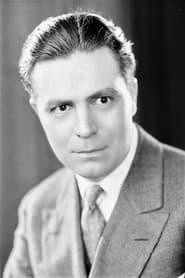
- Harrison Ford (not to be confused with the modern actor) was a leading man of the silent era who appeared in over 80 films
- The Irish setting was entirely created on studio sets and California locations, as filming in Ireland was impractical in 1922
- This film helped establish Norma Talmadge as one of the highest-paid and most respected actresses of the silent era
Visual style
The cinematography by David Abel was considered groundbreaking for its time, particularly in the execution of the supernatural sequences. Abel employed innovative double exposure techniques to create the ghostly appearances of Moonyean, carefully balancing the exposure to make the spectral figure seem ethereal yet present. The Irish countryside scenes were shot using soft focus techniques and filtered lighting to create a romantic, dreamlike atmosphere that contrasted with the more starkly lit interior scenes. The film utilized extensive use of iris shots and vignettes to focus audience attention on emotional moments, a common but effective technique of the silent era. Abel's work in lighting Talmadge for her dual role was particularly noteworthy, using different lighting schemes to visually distinguish between the living Kathleen and the ghostly Moonyean. The cinematography also featured sophisticated tracking shots and camera movements that were ambitious for 1922, helping to create a sense of fluidity and cinematic grace.
Innovations
The film's most significant technical achievement was its sophisticated use of double exposure photography to create the ghost sequences. The special effects team developed new techniques for combining live action with supernatural elements that were more convincing than previous attempts. The makeup department created innovative solutions for Talmadge's dual role, developing different makeup styles that would read clearly on black and white film while maintaining natural appearance. The production design team constructed elaborate sets that could be quickly modified to represent different time periods, allowing for smooth transitions between past and present sequences. The film also featured advanced lighting techniques for the era, using newly developed electrical lighting equipment to create mood and atmosphere with greater precision than gaslight or earlier electrical systems. These technical innovations contributed significantly to the film's critical and commercial success.
Music
As a silent film, 'Smilin' Through' was accompanied by live musical performances during its theatrical run. The score was compiled from various classical pieces and popular songs of the era, with the title song 'Smilin' Through' by Arthur Penn being prominently featured. Theatres received detailed cue sheets suggesting appropriate musical selections for each scene, with romantic passages for the love scenes, dramatic music for conflicts, and ethereal compositions for supernatural moments. Some larger theaters employed full orchestras, while smaller venues used piano or organ accompaniment. The music was crucial in conveying the emotional depth of the story, particularly in scenes where the supernatural elements required musical guidance to establish the otherworldly atmosphere. The film's success helped popularize the title song, which became a standard recorded by numerous artists in the 1920s and 1930s.
Famous quotes
I will smile through my tears, for I know that love is eternal and death cannot conquer it." - Moonyean
The past is a ghost that haunts us all, but love can make peace with any spirit." - John Carteret
In Ireland, we believe that love is stronger than death itself." - Kathleen
Sometimes the living need the dead more than the dead need the living." - Moonyean's spirit
Hatred is a poison that destroys the one who holds it, not the one it's aimed at." - John Carteret
Memorable scenes
- The ghostly appearance of Moonyean at Kathleen's wedding, achieved through innovative double exposure photography that created a stunning visual effect for 1922 audiences. The scene features Moonyean's translucent figure intervening to prevent history from repeating itself, with Talmadge playing both the spectral aunt and her living niece in the same frame.
- The opening sequence showing Moonyean's murder on her wedding day, which sets the tragic foundation for the entire story. This scene features dramatic lighting and emotional performances that establish the film's gothic romantic tone.
- The final confrontation between John Carteret and Kenneth Wayne, where decades of hatred and prejudice finally give way to understanding and forgiveness, accompanied by Moonyean's approving spirit watching over them.
What audiences thought
Audiences in 1922 embraced 'Smilin' Through' with enormous enthusiasm, making it one of the biggest box office hits of the year. The emotional story resonated strongly with post-WWI audiences who were drawn to tales of love, loss, and spiritual connection. Many viewers reported being deeply moved by the supernatural elements and the film's message about overcoming bitterness and hatred. The film's success was particularly notable for drawing both male and female audiences, as it combined romantic elements with dramatic tension and supernatural intrigue. Contemporary accounts describe packed theaters and standing ovations, with many patrons returning for multiple viewings. The movie's popularity extended beyond major cities to smaller towns across America, demonstrating the broad appeal of its universal themes. Audience word-of-mouth was so positive that the film remained in theaters for months longer than the typical silent feature run.
Film connections
Influenced by
- Jane Cowl's stage play 'Smilin' Through' (1919)
- Victorian ghost story traditions
- Irish folklore and supernatural beliefs
- Earlier silent films featuring supernatural themes
- Shakespearean tragedy elements
- Gothic romance literature
This film influenced
- 'Smilin' Through' (1932 remake)
- 'Smilin' Through' (1941 remake)
- Numerous 1920s supernatural romance films
- Later films featuring dual roles and supernatural romance
- Ghost story films of the 1930s and 1940s
Film restoration
The film is preserved in the archives of the Library of Congress and has been made available through various classic film channels. While some deterioration is evident in existing prints, the movie survives in watchable condition. A restored version was released as part of a collection of Norma Talmadge films in the 1990s, with new musical accompaniment added. The preservation efforts have maintained the visual quality of the supernatural sequences, which were crucial to the film's impact.
Where to watch
- Available on DVD through Warner Archive Collection
- Streaming on The Criterion Channel (periodically)
- Available for viewing on YouTube through official classic film channels
- Screened occasionally at classic film festivals and silent film revival events
- Available through some university film archives and library collections
- Can be accessed through Turner Classic Movies' on-demand service