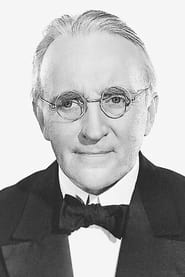
Wyndham Standing
Actor
Born: August 23, 1880 in London, England Died: February 1, 1963 Active: 1915-1937
Films
5 films
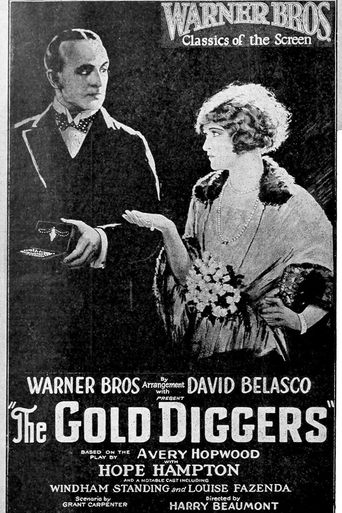
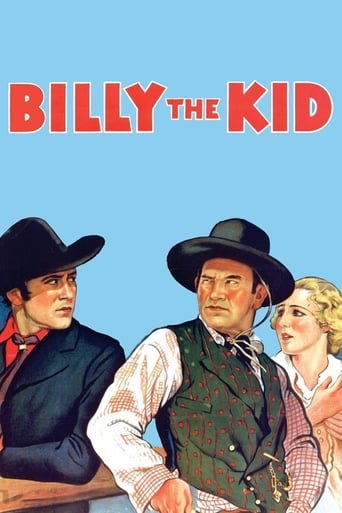
About Wyndham Standing
British actor who found considerable success in American silent films during the 1910s and 1920s. Born in London in 1880, Standing began his career on the British stage before transitioning to the burgeoning film industry in America. He became particularly known for his frequent collaborations with silent film star Norma Talmadge, appearing in many of her most successful productions throughout the 1920s. Standing possessed a commanding presence and refined demeanor that made him ideal for portraying aristocratic, professional, or authoritative characters in silent dramas. His filmography spans over 60 titles between 1915 and 1937, demonstrating remarkable longevity during a period of rapid change in cinema. As the industry transitioned to sound, Standing successfully adapted his craft, though his roles became increasingly smaller and less frequent. He spent his final years in Los Angeles, passing away in 1963 at the age of 82, leaving behind a legacy as a reliable character actor who helped define the golden age of silent cinema.
The Craft
On Screen
Standing was known for his refined, dignified acting style that emphasized subtle gestures and expressive facial features suited to silent cinema. His stage background brought a theatrical gravitas to his film performances, with a commanding presence that made him ideal for authority figures and romantic leads. He employed a restrained yet emotive approach, using his tall stature and appearance to convey character through physical presence rather than dramatic gestures.
Milestones
- Stage career in Britain before transitioning to film
- Frequent collaborator with Norma Talmadge in the 1920s
- Appeared in over 60 films during silent and early sound era
- Successful transition from silent films to talkies
- Known for portraying aristocratic and professional characters
Best Known For
Iconic Roles
Must-See Films
Working Relationships
Worked Often With
Studios
Why They Matter
Impact on Culture
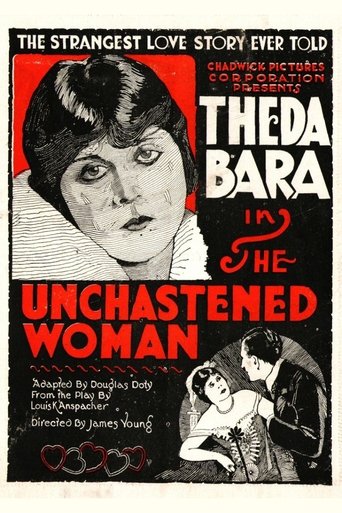
Wyndham Standing contributed significantly to the golden age of silent cinema through his consistent supporting performances that helped establish the dramatic conventions of the era. His work with major stars like Norma Talmadge and Theda Bara placed him at the center of Hollywood's silent film industry during its peak years. Standing represented the classically trained British actor who brought theatrical legitimacy to the new medium of film, helping bridge the gap between stage and screen acting techniques.
Lasting Legacy
Standing's legacy endures as a representative of the character actors who formed the backbone of silent cinema, providing essential support to leading stars while maintaining their own distinctive presence. His filmography serves as a valuable record of silent film production practices and the types of roles available to supporting actors during this period. His successful adaptation to sound films, though with diminishing prominence, illustrates the challenges faced by many silent era actors during the industry's technological transition.
Who They Inspired
While not a major star who directly mentored other actors, Standing's professional approach and consistent work ethic served as an example for supporting actors in the film industry. His ability to maintain a lengthy career through the silent-to-sound transition demonstrated the adaptability required for longevity in Hollywood's rapidly changing landscape.
Off Screen
Wyndham Standing was married to actress Rita Stanwood, though the marriage ended in divorce. He maintained a relatively private personal life despite his public career in films. After retiring from acting, he lived quietly in Los Angeles until his death in 1963 at age 82. His British heritage remained an important part of his identity throughout his American career.
Education
Stage training in Britain before film career
Family
- Rita Stanwood (divorced)
Did You Know?
- Born in the same year as the birth of the film industry (1880)
- Appeared in films with both Norma Talmadge and Theda Bara, two of silent cinema's biggest female stars
- His stage background helped him transition successfully to the new medium of film
- Worked consistently during the volatile transition period from silent to sound films
- Maintained his British accent throughout his American film career
- Often typecast in roles that emphasized his appearance and height
- His film active years covered over 20 years during cinema's most transformative decades
- Appeared in fewer films after the advent of sound, as was common for many silent era actors
Frequently Asked Questions
Who was Wyndham Standing?
British with credits in this catalog.
What films is Wyndham Standing best known for?
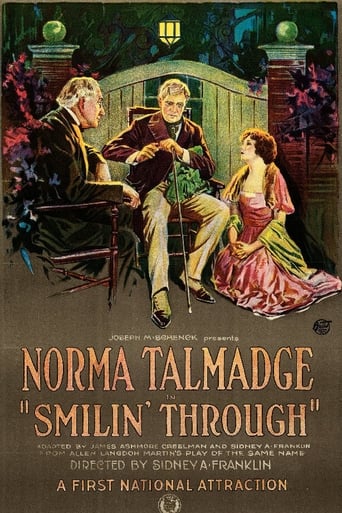
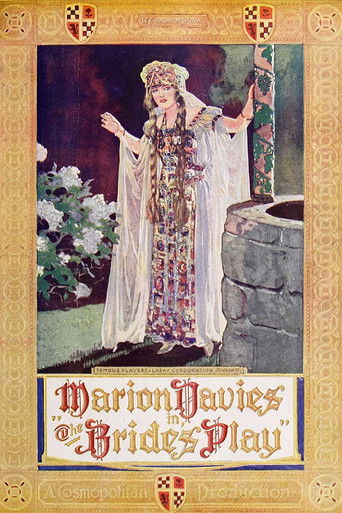
Titles linked here include Smilin' Through (1922), The Bride's Play (1922).
When was Wyndham Standing born and when did he die?
Born August 23, 1880; died February 1, 1963.
What awards did Wyndham Standing win?
There are no recorded major awards or nominations for Wyndham Standing, which was common for supporting character actors during the silent film era when formal award systems were limited.
What was Wyndham Standing's acting style?
Standing was known for his refined, dignified acting style with subtle gestures and expressive features suited to silent cinema, using his stage background to bring theatrical gravitas to his film roles.
How did Wyndham Standing transition from silent to sound films?
Standing successfully adapted to sound films, appearing in talking pictures through the early 1930s, though his roles became smaller and less frequent as the industry changed.
What types of characters did Wyndham Standing typically play?
Standing was typically cast as aristocratic, professional, or authority figures, using his tall stature and appearance to portray characters of social standing and refinement.