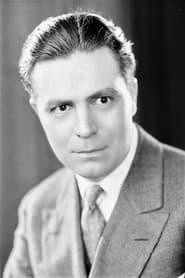
Harrison Ford
Actor
Born: March 16, 1884 in Kansas City, Missouri, USA Died: December 2, 1957 Active: 1915-1932
Films
10 films
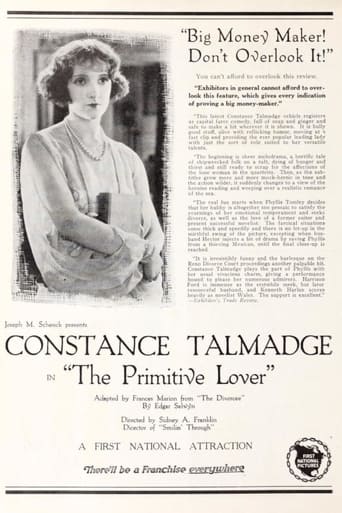
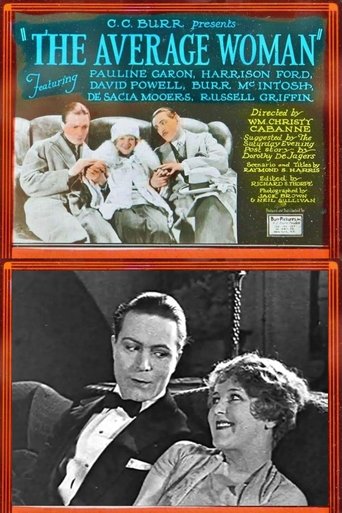
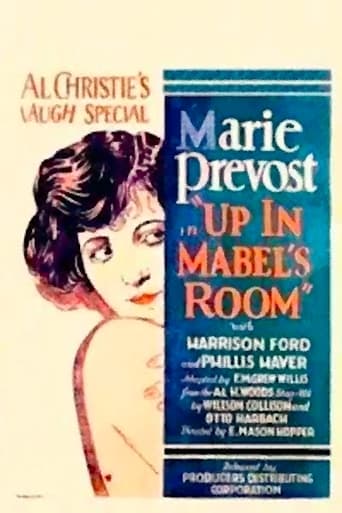

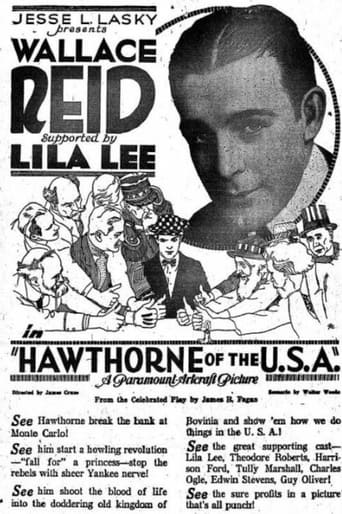
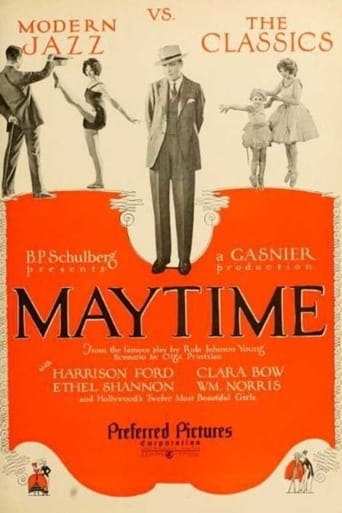
About Harrison Ford
Prominent American silent film actor who enjoyed considerable popularity during the early 1920s. Born in Kansas City, Missouri, he began his entertainment career on Broadway before transitioning to films following his service in World War I. Ford quickly established himself as a leading man, particularly excelling in romantic dramas and light comedies where his handsome features and natural acting style resonated with audiences. He worked with major studios including Paramount and Metro-Goldwyn-Mayer, appearing opposite many of the era's most popular actresses. His career peaked between 1922 and 1926, during which he starred in numerous successful productions. Like many silent film stars, Ford struggled with the transition to sound pictures, leading to a gradual decline in his career. He made his final film appearances in the early 1930s before retiring from acting altogether.
The Craft
On Screen
Natural and understated for the silent era, Ford was known for his subtle facial expressions and restrained dramatic approach. Unlike the more theatrical style common in silent films, he brought a sense of realism to his performances, particularly in romantic scenes. His acting style was characterized by gentle charm and sincerity rather than melodramatic gestures.
Milestones
- Broadway stage debut before film career
- Leading man status in silent era
- Peak popularity period 1922-1926
- Transition to sound films in late 1920s
- Retirement from acting in early 1930s
Best Known For
Iconic Roles
Must-See Films
Accolades
Special Recognition
- Star on Hollywood Walk of Fame for Motion Pictures
Working Relationships
Worked Often With
Studios
Why They Matter
Impact on Culture
Harrison Ford represented the transition from stage to screen acting during the early days of Hollywood. His naturalistic style influenced how leading men approached romantic roles in silent cinema, moving away from the exaggerated theatrical techniques common in the era. Though not as remembered as some contemporaries, Ford was part of the generation that helped establish the template for film acting in America.
Lasting Legacy
Ford's legacy lies primarily in his contribution to the development of natural acting styles in silent films. His career trajectory also exemplifies the challenges faced by many silent era actors during the transition to sound pictures. While not a household name today, he was a significant figure in early Hollywood who helped shape romantic leading roles during the silent era's golden age.
Who They Inspired
Ford influenced subsequent generations of actors by demonstrating the effectiveness of subtlety and naturalism in film performance. His approach to romantic scenes, emphasizing genuine emotion over theatricality, helped pave the way for more realistic acting styles that would become standard in later decades of cinema.
Off Screen
Harrison Ford married actress Beatrice Prentice in 1913, and they had two children together. The couple divorced in 1921, and Ford later married actress Marion Harlan in 1922. His personal life was relatively private compared to his contemporaries, and he maintained a low profile after retiring from acting. He spent his later years away from the Hollywood spotlight, focusing on business ventures and family life.
Education
Limited formal education, primarily trained in theater through practical experience
Family
- Beatrice Prentice (1913-1921)
- Marion Harlan (1922-1957)
Did You Know?
- Often confused with the modern Harrison Ford due to sharing the exact same name
- Served in World War I before beginning his film career
- Began his career on Broadway before moving to Hollywood
- Was one of the more popular leading men of the early 1920s
- Successfully transitioned from stage to film unlike many of his contemporaries
- His career declined with the advent of sound pictures
- Received a star on the Hollywood Walk of Fame for his contributions to motion pictures
- Was married to two different actresses during his lifetime
- Retired from acting relatively early compared to other silent film stars
- Made over 40 films during his career
In Their Own Words
No widely documented famous quotes from Harrison Ford of the silent era
Frequently Asked Questions
Who was Harrison Ford?
Popular American silent film with credits in this catalog. He was known for his roles as a romantic leading man in numerous films before struggling with the transition to sound pictures and retiring in the early 1930s.
What films is Harrison Ford best known for?
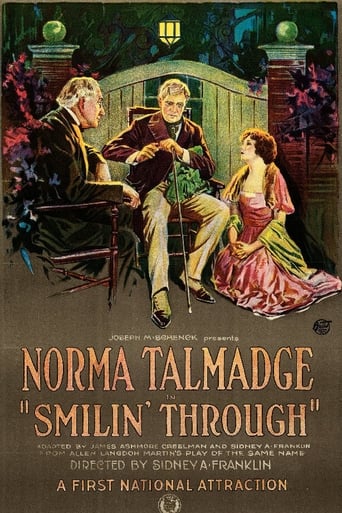
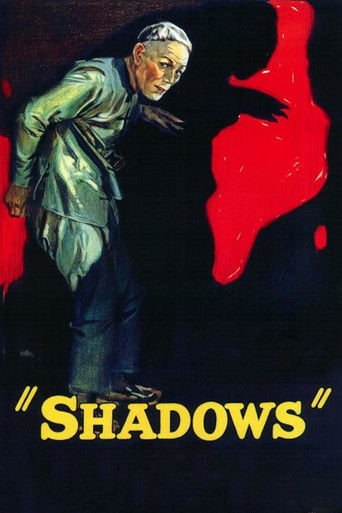
Titles linked here include Smilin' Through (1922), Shadows (1922).
When was Harrison Ford born and when did he die?
Born March 16, 1884; died December 2, 1957.
What awards did Harrison Ford win?
While Harrison Ford did not win any major film awards during his career, he did receive a star on the Hollywood Walk of Fame in recognition of his contributions to motion pictures. This honor acknowledges his status as a significant figure in silent era cinema.
What was Harrison Ford's acting style?
Ford was known for his natural and understated acting style, which was relatively subtle for the silent era. He emphasized genuine emotion and realistic expressions over the theatrical gestures common in many silent film performances, particularly excelling in romantic roles.