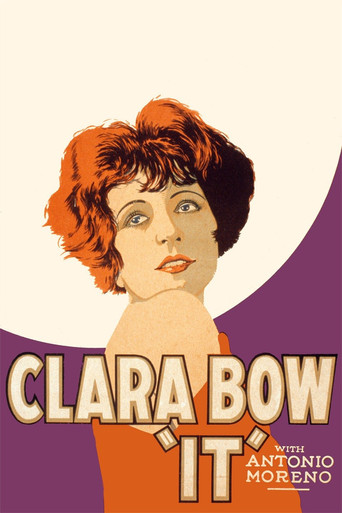
The Average Woman
"Reporter Jimmy Munroe is writing an article on "the average woman""
Keys: Space play/pause · ←/→ 10s · F fullscreen · M mute · </> speed
About this film
Reporter Jimmy Munroe is writing an article on "the average woman". He meets Sally Whipple in the library and chooses her as a likely subject, following her around to gather material for his article, and eventually falls in love with her. Her father, Judge Whipple, doesn't like i.
Cast & crew
More films like this
More Drama films
View all →







More from Christy Cabanne
View all →
More about this film
About the production
Release dateJune 15, 1924
ProductionProducers Distributing Corporation
Filmed inLos Angeles, California
The Average Woman was produced during the transition period of Hollywood studios establishing their identities. Director Christy Cabanne was a prolific filmmaker who had worked with D.W. Griffith early in his career. The film was shot on standard 35mm film with typical silent era production techniques. As with many films of this period, the production moved quickly with typical shooting schedules of 2-3 weeks for a feature of this length.
Themes
Love and romanceMedia intrusion and privacyFather-daughter relationshipsSocial class and statusBlackmail and coercion
Themes & topics
reporterlibraryjournalismblackmailjudgefather-daughter relationshipromanceinvestigationmarriage pressurecompromising letters
Historical background
Silent-era production in 1924 relied on intertitles, live accompaniment, and studio systems that were rapidly consolidating into national industries. Archival sources describe The Average Woman as 1924 film. Contemporary context can be traced through sources such as the Wikipedia article on The Average Woman.
Why this film matters
The Average Woman remains part of the screen heritage of its era, offering evidence of prevailing genres, production methods, and audience tastes. Later revivals, archive screenings, and digitization have kept such titles accessible to researchers and dedicated viewers long after their first commercial runs.
Making of
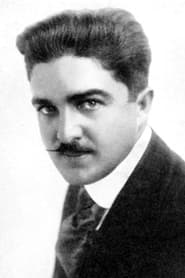
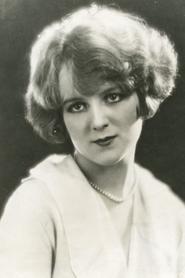
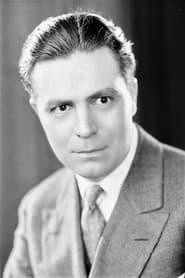
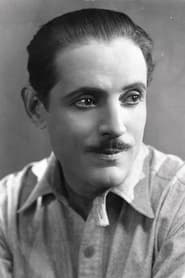
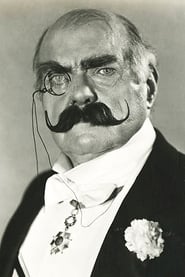
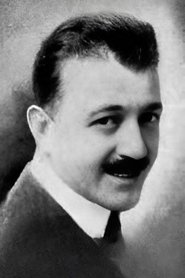
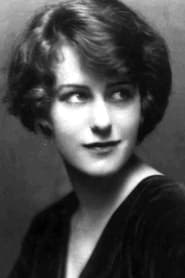
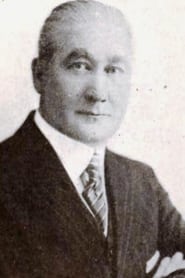
The Average Woman was directed by Christy Cabanne, who had learned his craft working as an assistant to D.W. Griffith. Cabanne was known for his efficiency and ability to deliver films on schedule and budget. The casting of Pauline Garon as Sally Whipple capitalized on her reputation as a fresh-faced, natural actress who could convey both innocence and determination. Harrison Ford, playing Jimmy Munroe, was at the height of his popularity as a romantic leading man. The film was typical of the romantic dramas being produced by mid-sized studios during the mid-1920s, focusing on contemporary relationships and social issues. The production would have utilized the standard practices of the era, including natural lighting where possible, minimal location shooting, and extensive use of studio sets. The intertitles were likely written by a specialist title writer, as was common practice, and would have been crucial in conveying the story's nuances to the audience.
What critics said
Trade and newspaper reviews from the silent period for The Average Woman survive only in fragments, making precise reception history difficult to reconstruct. Modern assessment tends to emphasize historical value, craft, and cultural context rather than box-office performance.
Did you know?
- Director Christy Cabanne directed over 160 films between 1911 and 1934, making him especially prolific directors of the silent era.
- Harrison Ford (not to be confused with the modern actor) was a major silent film star who appeared in over 80 films before retiring from acting in 1932.
- Pauline Garon was a Canadian actress who began her career as a child performer in vaudeville before transitioning to films.
- The film was produced by Producers Distributing Corporation (PDC), a studio that existed from 1924-1927 before being absorbed into RKO Pictures.
- David Powell, who plays Van Alten, died unexpectedly in 1925 at age 50, making this one of his final film appearances.
- The concept of a journalist researching 'the average woman' reflected 1920s sociological interests in studying and categorizing American society.
- Silent films of this era typically had original scores composed for them, though most of these scores have been lost.
- The film's theme of a protective father opposing a daughter's suitor was a common trope in silent era romantic dramas.
- Judge Whipple's character represents the traditional authority figure often portrayed in 1920s films as clashing with modern values.
- The blackmail plot involving compromising letters was a standard dramatic device used in many silent films to create tension.
Visual style
The cinematography of The Average Woman would have been typical of mid-1920s Hollywood productions, utilizing the standard techniques and equipment of the period. The film was likely shot on 35mm film using hand-cranked cameras, with natural lighting supplemented by studio lighting equipment. The visual style would have emphasized clarity and readability, important for silent films where visual storytelling carried the narrative weight. Interior scenes would have been shot on studio sets with controlled lighting, while any exterior scenes would have been filmed on location or on studio backlots. The cinematographer would have used medium shots for dialogue scenes and close-ups to emphasize emotional moments, following the established grammar of silent film. Camera movement would have been minimal, consisting mainly of panning and perhaps some tracking shots, as elaborate camera movements were still relatively rare and expensive. The visual composition would have been carefully planned to guide the audience's attention and support the narrative without the aid of dialogue.
Innovations
The Average Woman does not appear to have introduced any significant technical innovations or achievements in filmmaking. The film was produced using standard techniques and technology available to Hollywood studios in 1924. The production would have utilized the typical equipment of the era, including 35mm film cameras, standard lighting setups, and conventional editing techniques. The film's intertitles would have been created using standard title card production methods. While the film may have benefited from the gradual technical improvements occurring in Hollywood during the 1920s, such as better film stock quality and more sophisticated lighting equipment, it does not stand out as a technically groundbreaking work. The film represents the solid, professional craftsmanship of mid-1920s Hollywood rather than pushing technical boundaries. Its technical aspects were competent and served the story effectively, which was typical of productions from director Christy Cabanne, who was known more for his efficiency and reliability than for technical innovation.
Music
As a silent film, The Average Woman would not have had a synchronized soundtrack but would have been accompanied by live musical performance in theaters. The musical accompaniment would typically have been provided by a theater organist, pianist, or small ensemble depending on the size and prestige of the venue. The score would have been compiled from existing classical pieces, popular songs of the era, and mood music specifically composed for silent film use. The music would have closely followed the emotional tone of each scene, with romantic themes for the love scenes, tense music for the blackmail sequences, and lighter music for comedic moments. Some theaters might have used cue sheets provided by the studio suggesting appropriate musical selections for specific scenes. The musical experience would have varied significantly from theater to theater, as each musician would interpret the film differently. Unfortunately, as with most silent films, the original musical suggestions or scores for The Average Woman have not survived.
Famous quotes
Jimmy Munroe: 'I'm looking for the average woman - someone who represents the typical American girl.'
Judge Whipple: 'A reporter's work is not fit company for my daughter!'
Van Alten: 'These letters could ruin your father's reputation unless you agree to my terms.'
Sally Whipple: 'You don't see me as a person, just as material for your story!'
Memorable scenes
- The library scene where Jimmy first encounters Sally and decides she's his perfect subject for the article on 'the average woman.'
- The courtroom scene where Judge Whipple has Jimmy arrested, establishing the father's opposition to the relationship.
- The tense confrontation scene where Van Alten reveals the compromising letters and attempts to blackmail Sally into marriage.
- The emotional reunion scene where Jimmy proves his genuine love for Sally beyond his journalistic interest.
What audiences thought
The Average Woman appears to have been received as a solid, entertaining romantic drama by audiences of 1924. The film's themes of romance, family opposition, and the triumph of true love were familiar and comforting to moviegoers of the era. Harrison Ford's popularity as a romantic leading man likely drew audiences to theaters, while Pauline Garon's relatable portrayal of an 'average woman' resonated with female viewers. The film's moderate length of 70 minutes was typical for the period and suited audience attention spans. While the film did not achieve blockbuster status or generate significant word-of-mouth buzz, it likely performed adequately for its production company, Producers Distributing Corporation, as part of their slate of releases for 1924. The conventional nature of the story and the lack of spectacular elements meant it was enjoyed but not particularly memorable to most viewers.
Film connections
Influenced by
- Contemporary romantic dramas of the 1920s
- Newspaper comedy-dramas
- Social problem films of the silent era
- Domestic melodramas
Film restoration
The preservation status of The Average Woman is unclear, which is unfortunately common for many silent films. Many films from this era have been lost due to the deterioration of nitrate film stock, the lack of preservation efforts in the early decades of cinema, and the destruction of films when their commercial value expired. No complete restoration or widely available print of The Average Woman is currently known to exist in major film archives. The film may survive in incomplete form or in archives that have not yet made their holdings accessible to researchers. The lack of available viewing copies suggests that if the film does exist, it has not been preserved in a format accessible to modern audiences. This status is typical for productions from mid-sized studios like Producers Distributing Corporation, which had fewer resources for preservation than major studios.
Where to watch
- Currently, The Average Woman does not appear to be available on any streaming platforms, home video releases, or in film archive screenings. The film's preservation status is uncertain, and it may be among the many silent films considered lost or only surviving in incomplete form. Film enthusiasts interested in viewing this movie should monitor the holdings of major film archives such as the Library of Congress, the Museum of Modern Art's film collection, or the UCLA Film & Television Archive, as prints may surface in future collections or restorations. Occasionally, films thought to be lost reappear in unexpected archives or private collections, so it's worth checking with silent film societies and preservation organizations for any updates on the availability of this title.