Films
2 films
About Russell Griffin
Brief but notable actor during the silent film era, with his entire known film career concentrated in the year 1924. Russell appears in at least two productions that year, 'The Average Woman' and 'The New School Teacher,' both typical of the romantic comedy and drama genres popular during the mid-1920s. Like many actors of his generation, Griffin's career coincided with the final years of silent cinema before the transition to sound pictures dramatically altered the industry landscape. His performances, while not extensively documented, would have required the exaggerated physical acting style characteristic of silent film performers who needed to convey emotion without dialogue. The brevity of his filmography suggests he may have been either a bit player, someone who left the industry voluntarily, or possibly a casualty of the rapidly changing Hollywood system. Despite his short career, Griffin represents the thousands of actors who contributed to the silent cinema even if their names were not destined for lasting fame.
The Craft
On Screen
Typical silent era physical acting with exaggerated gestures and facial expressions to convey emotion without dialogue
Milestones
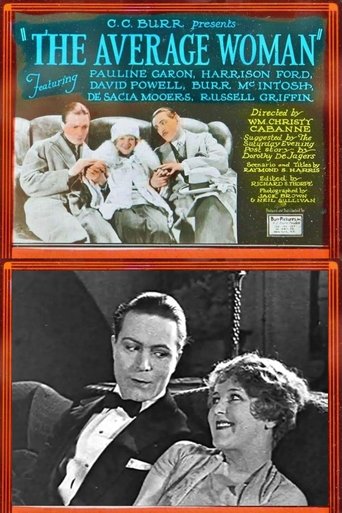
- Appeared in 'The Average Woman' (1924)
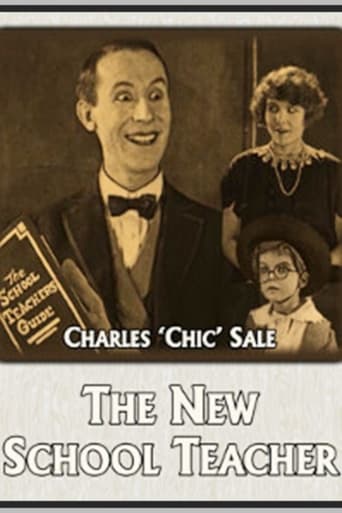
- Appeared in 'The New School Teacher' (1924)
Best Known For
Must-See Films
Why They Matter
Impact on Culture
While Russell Griffin did not achieve lasting fame, he represents the countless actors who formed the backbone of silent cinema. His contributions, though small in scale, were part of the collective effort that created the golden age of silent films. Actors like Griffin helped establish the visual storytelling techniques that would influence cinema for decades to come.
Lasting Legacy
Russell Griffin's legacy is primarily that of a typical working actor from the silent era - someone who contributed to the art form during a pivotal time in cinema history. His brief career serves as a reminder of the thousands of performers who helped build Hollywood but whose names have faded from public memory.
Who They Inspired
As a brief contributor to silent cinema, Griffin's direct influence on subsequent generations of actors is difficult to trace. However, like all performers of his era, he was part of the foundation upon which modern acting techniques were built.
Off Screen
Very little is documented about Russell Griffin's personal life, which was common for many supporting actors and bit players from the silent era who did not achieve star status.
Did You Know?
- Appeared in two films in 1924, both now considered lost or partially lost films
- His entire known film active years covered only one year
- Like many silent era actors, his career ended before the transition to sound pictures
- The films he appeared in were typical of the romantic comedy genre popular in the mid-1920s
- His career represents the typical trajectory of many supporting actors in early Hollywood
Frequently Asked Questions
Who was Russell Griffin?
American with credits in this catalog.
What films is Russell Griffin best known for?
Titles linked here include The Average Woman (1924), The New School Teacher (1924).
When was Russell Griffin born and when did he die?
Specific birth and death dates for Russell Griffin are not documented in historical records, which is common for many supporting actors from the silent era.
What awards did Russell Griffin win?
There are no recorded awards or nominations for Russell Griffin, which was typical for most supporting actors during the silent film period.
What was Russell Griffin's acting style?
Like most silent film actors, Griffin would have used exaggerated physical gestures and facial expressions to convey emotions and tell stories without the benefit of synchronized dialogue.