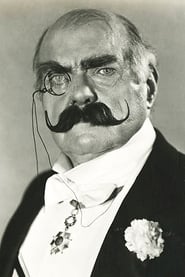
Burr McIntosh
Actor
Born: August 21, 1862 in Wellsville, Ohio, USA Died: April 28, 1942 Active: 1910-1932 Birth Name: William Burr McIntosh
Films
5 films
About Burr McIntosh
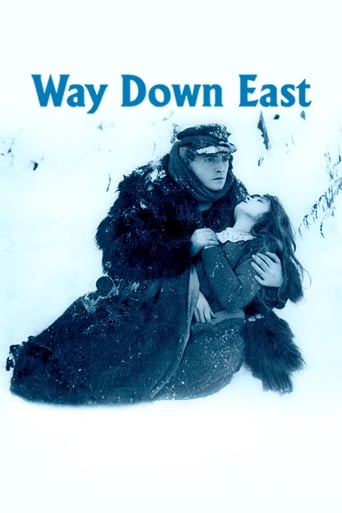
Multifaceted American entertainer who began his career as a publisher and photographer before transitioning to acting in his later years. Born William Burr McIntosh in Ohio, he first gained prominence as the publisher of Burr McIntosh Monthly magazine from 1903-1910, which featured portraits of prominent figures of the Progressive Era. His photography work documented many celebrities and political figures of his time. McIntosh entered the film industry around 1914, quickly establishing himself as a reliable character actor in silent films. Burr appears in numerous productions throughout the 1910s and 1920s, often playing authoritative figures, wealthy businessmen, or paternal roles. His most notable film appearance was in D.W. Griffith's controversial masterpiece Way Down East (1920). McIntosh successfully made the transition to sound films in the late 1920s, though his roles became smaller as the industry changed. He continued acting in films through the early 1930s before retiring from the screen, leaving behind a unique legacy as someone who succeeded in multiple entertainment fields.
The Craft
On Screen
McIntosh specialized in portraying dignified, authoritative characters with a commanding presence. His stage background and mature appearance made him ideal for playing wealthy businessmen, judges, doctors, and paternal figures. As a character actor, he brought gravitas and reliability to his supporting roles, often serving as the moral center or authority figure in films. His acting style was typical of the theatrical approach common in silent films, with expressive gestures and clear emotional projection that translated well without dialogue.
Milestones
- Publisher of Burr McIntosh Monthly magazine (1903-1910)
- Successful transition from publishing to film acting
- Character actor in D.W. Griffith's Way Down East (1920)
- Appeared in over 80 films during silent and early sound era
- Documented early 20th century celebrities through photography
Best Known For
Iconic Roles
Must-See Films
Accolades
Special Recognition
- Pioneer in celebrity photography and magazine publishing
- Contributor to early American cinema as character actor
Working Relationships
Worked Often With
Studios
Why They Matter
Impact on Culture
Burr McIntosh's impact on American culture spans multiple domains. As a publisher and photographer, he helped create the concept of celebrity culture in the early 20th century through his magazine and portrait work. His photographs documented many important figures of the Progressive Era, creating a valuable historical record. In cinema, he contributed to the development of character acting in silent films, helping establish the archetype of the authoritative supporting figure. His work in D.W. Griffith's films placed him at the center of some of the most important and controversial works of early American cinema.
Lasting Legacy
Burr McIntosh's legacy is unique in that it bridges the gap between old media and new media of the early 20th century. He represents the type of versatile entrepreneur who could succeed across multiple platforms during a period of rapid technological and cultural change. His magazine work helped establish the template for celebrity journalism, while his film career exemplified the rise of character actors in Hollywood. Today, he is remembered by film historians as a reliable presence in silent cinema and by cultural historians as an early documenter of American celebrity culture.
Who They Inspired
McIntosh influenced the development of celebrity photography and magazine publishing in the early 20th century. His approach to photographing and featuring prominent figures helped establish standards for celebrity journalism that would persist throughout the century. In film, while not a major star, his consistent work as a character actor helped establish the importance of reliable supporting players in Hollywood productions. His successful career transitions demonstrated the possibilities for reinvention during a period of massive cultural and technological change.
Off Screen
Burr McIntosh led a varied professional life beyond entertainment, maintaining interests in photography and publishing throughout his acting career. He was known for his social connections and ability to network with prominent figures of his era, which helped him succeed in multiple fields. McIntosh never married and devoted his life to his various professional pursuits. He spent his later years in California, where he had established himself during his film career, and remained active in social circles until his death in 1942 at the age of 79.
Education
Limited formal education; largely self-taught in photography and publishing
Did You Know?
- Began his career as a publisher before becoming an actor at age 52
- His magazine 'Burr McIntosh Monthly' was one of the first to focus on celebrity culture
- Was an accomplished photographer who documented many famous figures of his era
- Made his film debut relatively late in life compared to other silent era actors
- Appeared in both silent and early sound films, successfully making the transition
- Often played characters much older than his actual age
- Was a contemporary of many silent film legends despite being older than most
- His real first name was William, but he professionally used Burr
- Never married and had no children
- His photography work is now considered historically valuable documentation of the era
In Their Own Words
The camera doesn't lie, but it doesn't tell the whole truth either.
In publishing as in pictures, the human face tells the best story.
Frequently Asked Questions
Who was Burr McIntosh?
American character with credits in this catalog. He began as a magazine publisher and photographer before transitioning to acting in his 50s, appearing in numerous films including D.W. Griffith's Way Down East.
What films is Burr McIntosh best known for?
Titles linked here include Way Down East (1920), The Last Warning (1929).
When was Burr McIntosh born and when did he die?
Born August 21, 1862; died April 28, 1942.
What awards did Burr McIntosh win?
Burr McIntosh did not receive major film awards during his career, as he was primarily a character actor during the early days of cinema before many award systems were established. His recognition came more from his work in publishing and photography.
What was Burr McIntosh's acting style?
McIntosh specialized in portraying dignified, authoritative characters with a commanding presence. His theatrical background made him ideal for playing wealthy businessmen, judges, and paternal figures in silent films, using expressive gestures typical of the era.
How did Burr McIntosh transition from publishing to acting?
McIntosh successfully transitioned from publishing to acting in his 50s, bringing his understanding of public personas and celebrity to his film roles. His maturity and authoritative presence made him a natural for character parts in silent films.
What was Burr McIntosh's contribution to early cinema?
McIntosh contributed to early cinema as a reliable character actor who appeared in over 80 films, helping establish the importance of supporting players in Hollywood productions and successfully transitioning from silent to sound films.