Coit Albertson
Actor
Born: October 14, 1880 in Reading, Pennsylvania, USA Died: December 13, 1953 Active: 1912-1934 Birth Name: Edward Coit Albertson
Films
1 film
About Coit Albertson
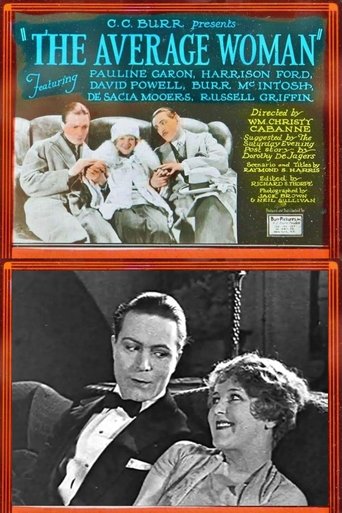
Edward Coit Albertson — American character actor who found success during the silent film era and successfully transitioned into early sound pictures. Born in Reading, Pennsylvania, Albertson began his entertainment career on the Broadway stage before making his way to Hollywood in the early 1910s. He established himself as a reliable supporting actor, appearing in over 80 films between 1912 and 1934, often playing authority figures, businessmen, or gentlemen. His film career flourished during the 1920s when he appeared in numerous productions for various studios, including his notable role in 'The Average Woman' (1924). Unlike many of his contemporaries, Albertson managed to make the difficult transition from silent films to talkies, though his roles became less prominent as the industry evolved. He continued working in smaller character parts throughout the early sound era before eventually retiring from acting. Albertson's a pivotal period in cinema history, witnessing and participating in the transformation from silent storytelling to the advent of synchronized sound.
The Craft
On Screen
Albertson specialized in portraying dignified, authoritative characters with a theatrical presence honed from his stage background. His acting style was typical of the silent era, emphasizing expressive facial gestures and body language to convey emotion without dialogue. He brought a sense of gravitas to his supporting roles, often playing judges, doctors, businessmen, or other figures of authority. His stage training gave him a commanding presence that translated well to the screen, allowing him to deliver nuanced performances even in smaller character parts.
Milestones
- Transitioned from Broadway stage to silent films in the early 1910s
- Appeared in over 80 films during his 22-year career
- Successfully made the transition from silent films to early talkies
- Worked consistently as a character actor throughout the silent era
- Starred in 'The Average Woman' (1924), one of his notable film appearances
Best Known For
Iconic Roles
Must-See Films
Working Relationships
Worked Often With
Studios
Why They Matter
Impact on Culture
Coit Albertson represents the working character actors who formed the backbone of early Hollywood cinema. While never achieving star status, his consistent presence in silent films contributed to the American cinema during its formative years. His successful transition from stage to screen exemplifies the migration of theatrical talent to the burgeoning film industry of the 1910s. Albertson's ability to adapt to the coming of sound demonstrated the versatility required of actors during this revolutionary period in film history. His career shows the numerous skilled performers who, while not household names, were essential to the success and artistic quality of early American cinema.
Lasting Legacy
Coit Albertson's legacy lies in his contribution to the silent film era as a reliable character actor who helped establish the foundation of American cinema. His filmography provides valuable documentation of the types of stories and character archetypes popular during the 1910s and 1920s. As one of the many actors who successfully navigated the transition from silent to sound films, Albertson represents the adaptability required of performers during this technological revolution. His work, preserved in silent films, continues to serve as historical documentation of early 20th-century American culture and the evolution of cinematic storytelling techniques.
Who They Inspired
While Coit Albertson was not a major star who directly influenced subsequent generations of famous actors, his professional approach and successful career longevity during a period of massive technological change in cinema exemplify the qualities needed for survival in the entertainment industry. His stage background and subsequent film career represent the pathway many early film actors followed, bringing theatrical techniques to the new medium of cinema. His ability to work consistently across multiple studios and production companies demonstrated the freelance nature of early Hollywood acting careers, a model that would influence the industry's structure for decades to come.
Off Screen
Coit Albertson was married to actress Lillian Logan, with whom he shared both his personal and professional life. The couple had one child together. Albertson balanced his film career with family life, maintaining a relatively private existence away from the Hollywood spotlight. After retiring from acting in the mid-1930s, he lived out his remaining years in Los Angeles, California, away from the entertainment industry that had been his profession for over two decades.
Education
Stage training through theatrical experience (specific formal education not documented)
Family
- Lillian Logan (married until his death in 1953)
Did You Know?
- His full birth name was Edward Coit Albertson
- He began his career on Broadway before transitioning to films
- He appeared in over 80 films during his 22-year career
- He successfully made the transition from silent films to talkies
- He was active during both World War I and the Great Depression
- His active years covered the entire silent era and into the early sound period
- He was one of many character actors who never achieved stardom but had steady work
- His film 'The Average Woman' (1924) is now considered lost, like many silent films
- He worked during the era when Hollywood was establishing itself as the center of American film production
- His death in 1953 came just as television was beginning to challenge film's dominance in entertainment
In Their Own Words
No documented famous quotes from Coit Albertson
Frequently Asked Questions
Who was Coit Albertson?
American character with credits in this catalog. Born Edward Coit Albertson in 1880, he appeared in over 80 films between 1912 and 1934, often playing supporting roles as authority figures and gentlemen.
What films is Coit Albertson best known for?
Titles linked here include The Average Woman (1924), The Great White Silence (1922).
When was Coit Albertson born and when did he die?
Born October 14, 1880; died December 13, 1953.
What awards did Coit Albertson win?
There are no documented awards or major nominations for Coit Albertson. Like many character actors of his era, he worked steadily without receiving formal recognition from industry award organizations.
What was Coit Albertson's acting style?
Albertson's acting style was typical of the silent era, emphasizing expressive gestures and facial features honed from his stage background. He specialized in portraying dignified, authoritative characters with a theatrical presence that translated well from Broadway to the silver screen.
How did Coit Albertson transition from silent to sound films?
Unlike many silent film stars whose careers ended with the advent of sound, Albertson successfully made the transition to talkies. He continued appearing in films through the early 1930s, though in increasingly smaller roles, before retiring from acting in 1934.
What was Coit Albertson's contribution to early cinema?
Albertson contributed to early cinema as one of the many reliable character actors who formed the foundation of Hollywood's silent film industry. His consistent work helped establish the professional standards and acting techniques that would define American cinema during its formative years.