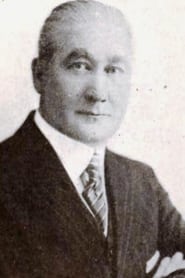
William H. Tooker
Actor
Born: April 11, 1869 in New York City, New York, USA Died: May 15, 1936 Active: 1915-1926 Birth Name: William Henry Tooker
Films
3 films
About William H. Tooker
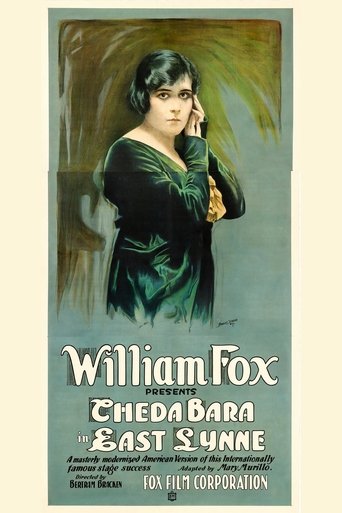
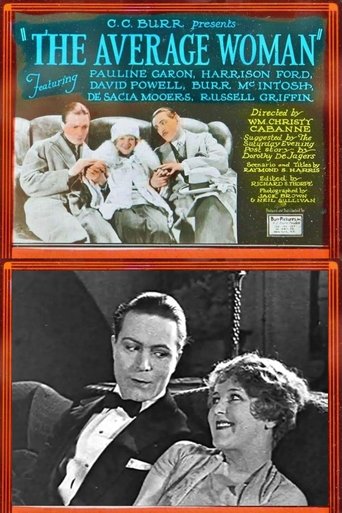
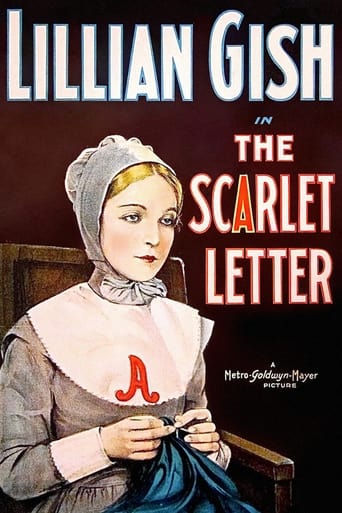
American character actor: the formative years of American cinema, transitioning successfully from the stage to silent films. Born in 1869, he began his performing career in theatrical productions before embracing the new medium of motion pictures in the mid-1910s. Tooker specialized in portraying authority figures, paternal characters, and respectable gentlemen, bringing a theatrical gravitas to his film roles that resonated with audiences of the silent era. His most notable film appearances included the 1916 adaptation of 'East Lynne,' the 1924 drama 'The Average Woman,' and the prestigious 1926 adaptation of Nathaniel Hawthorne's 'The Scarlet Letter' starring Lillian Gish. Throughout his decade-long film career, he appeared in over 50 motion pictures, working with various studios and establishing himself as a reliable character actor. Like many performers of his generation, his film career concluded with the advent of sound pictures, though he left behind a body of work that exemplifies the craft of silent film character acting. Tooker's contributions to early cinema helped establish the archetype of the mature, dignified supporting character that would become a staple in Hollywood productions.
The Craft
On Screen
Tooker employed a theatrical acting style adapted for the silent film medium, characterized by deliberate gestures, expressive facial features, and dignified posture. His stage background informed his ability to convey complex emotions through subtle movements and expressions, essential for silent film performance. He specialized in portraying authority and respectability through his physical presence and measured performance technique.
Milestones
- Stage career before transitioning to films
- Appeared in over 50 silent films
- Notable role in The Scarlet Letter (1926) adaptation
- Worked with major stars like Lillian Gish
- Established himself as a reliable character actor in Hollywood's silent era
Best Known For
Iconic Roles
Must-See Films
Working Relationships
Worked Often With
Studios
Why They Matter
Impact on Culture
William H. Tooker contributed to the establishment of character acting as a vital component of silent film storytelling. His work helped define the archetype of the mature, dignified supporting character that would become essential to Hollywood narrative structure. Through his performances in literary adaptations like 'The Scarlet Letter,' he helped bridge the gap between classical literature and popular cinema, making sophisticated stories accessible to mass audiences. His career trajectory from stage to film represented the broader professional evolution of actors during cinema's formative years.
Lasting Legacy
Tooker's legacy survives through the silent films in which he appeared, serving as proof of the craft of character acting during cinema's early decades. His performances provide valuable insight into the acting techniques and theatrical traditions that influenced early film performance. As part of ensemble casts in significant silent productions, he contributed to the artistic quality and cultural impact of films that have become part of cinema history. His work represents the important but often overlooked contributions of character actors to the golden age of silent film.
Who They Inspired
While not a major star whose style was widely emulated, Tooker's professional approach to character acting influenced subsequent generations of supporting players in Hollywood. His ability to bring depth and dignity to smaller roles helped establish the importance of well-cast character performances in film production. The reliability and professionalism he demonstrated throughout his career set standards for character actors who followed in the studio system.
Off Screen
William H. Tooker maintained a relatively private personal life away from the spotlight, which was typical for character actors of his era who were not major stars. He was married and had children, though specific details about his family life are limited in historical records. His transition from New York theater to Hollywood films reflected the broader migration of stage talent to the burgeoning film industry during the 1910s. He spent his final years in Hollywood, California, where he passed away in 1936 at the age of 67.
Education
Theatrical training and stage experience, though formal educational details are not widely documented
Family
- Information not widely documented in historical records
Did You Know?
- Born in 1869, making him part of the generation of actors who transitioned from 19th-century theater to 20th-century cinema
- Appeared in over 50 films during his decade-long movie career
- His full name was William Henry Tooker
- Worked with legendary silent film star Lillian Gish in The Scarlet Letter
- His film career ended around the time sound pictures began to dominate the industry
- Often cast as authority figures due to his dignified appearance and demeanor
- Part of the significant migration of New York stage talent to Hollywood in the 1910s
- His active years covered the peak years of American silent film production
- Like many character actors, he received fewer credits than leading performers despite his contributions
- Died in Hollywood, the center of the film industry he helped build
In Their Own Words
No widely documented quotes from William H. Tooker are available in historical records, which was common for character actors of his era who were not frequently interviewed by the press
Frequently Asked Questions
Who was William H. Tooker?
American character with credits in this catalog. He appeared in over 50 films, often playing authority figures and paternal characters, and notably appeared in adaptations like East Lynne (1916) and The Scarlet Letter (1926).
What films is William H. Tooker best known for?
Titles linked here include East Lynne (1916), The Scarlet Letter (1926).
When was William H. Tooker born and when did he die?
Born April 11, 1869; died May 15, 1936.
What awards did William H. Tooker win?
No major awards or formal recognitions are documented for William H. Tooker, which was common for character actors during the silent era when the modern award system had not yet been established.
What was William H. Tooker's acting style?
Tooker employed a theatrical acting style adapted for silent films, characterized by deliberate gestures, expressive facial features, and dignified posture. His stage background informed his ability to convey complex emotions through subtle movements essential for silent film performance.
How did William H. Tooker contribute to early cinema?
Tooker contributed to early cinema by helping establish the importance of character actors in film storytelling. His work in literary adaptations helped bridge classical literature and popular cinema, while his professional approach set standards for supporting players in the developing studio system.