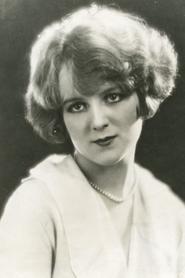
Pauline Garon
Actor
Born: September 9, 1900 in Montreal, Quebec, Canada Died: August 30, 1965 Active: 1920-1940 Birth Name: Marie Pauline Garon
Films
4 films
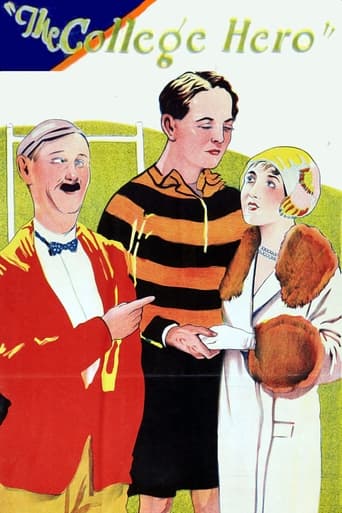
About Pauline Garon
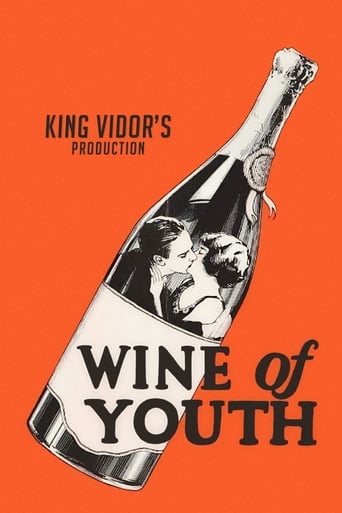
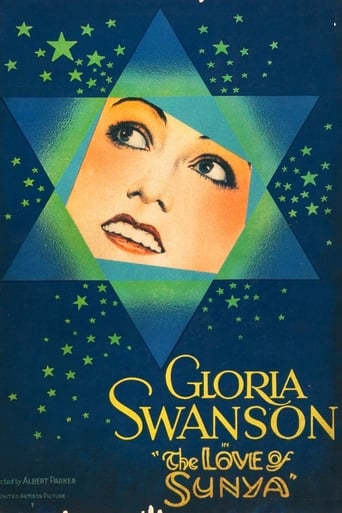
Canadian-American actress who rose to prominence during the silent film era of the 1920s. Born in Montreal, Canada, she began her career as a child performer in vaudeville before transitioning to films in Hollywood. Garon signed with Paramount Pictures in 1920 and quickly became one of their promising young actresses, appearing in numerous silent films throughout the decade. She worked alongside major stars of the era including Gloria Swanson, Pola Negri, and Rudolph Valentino. Her most notable period was from 1924-1927 when she appeared in several significant films including 'Wine of Youth' and 'The Love of Sunya.' Like many silent film stars, Garon struggled with the transition to talkies in the late 1920s, though she did appear in a few early sound films. Her career gradually declined in the 1930s, and she made her final film appearances in the early 1940s before retiring from the entertainment industry.
The Craft
On Screen
Garon was known for her naturalistic acting style in an era of exaggerated pantomime, bringing a subtle emotional depth to her roles. She excelled at portraying youthful innocence and vulnerability, often playing the 'girl next door' type. Her performances were characterized by expressive eyes and delicate gestures that conveyed complex emotions without dialogue. She had particular skill in dramatic scenes and was noted for her ability to transition from comedy to serious roles seamlessly.
Milestones
- Signed with Paramount Pictures in 1920
- Starred in 'Wine of Youth' (1924)
- Appeared in 'The Love of Sunya' opposite Gloria Swanson (1927)
- Successfully transitioned from child performer to leading lady
- Appeared in over 80 films during her career
Best Known For
Iconic Roles
Must-See Films
Accolades
Special Recognition
- Star on the Hollywood Walk of Fame (for contributions to motion pictures)
Working Relationships
Worked Often With
Studios
Why They Matter
Impact on Culture
Pauline Garon represented the transition from the theatrical acting style of early cinema to the more naturalistic approach that would define later film performance. As a Canadian actress who found success in Hollywood, she was part of the internationalization of American cinema during the 1920s. Her ability to portray authentic emotion without dialogue helped establish techniques that would influence film acting for generations. Garon's career trajectory also exemplifies the challenges faced by many silent film actors during the industry's transition to sound.
Lasting Legacy
Though not as widely remembered as some of her contemporaries, Pauline Garon's contribution to silent cinema is significant in its representation of the evolving acting style of the 1920s. Her filmography provides valuable insight into the types of roles available to women during this period and the technical and artistic developments in filmmaking. Her successful transition from child performer to adult leading lady demonstrated the versatility required of actors in early Hollywood. Today, film historians and silent cinema enthusiasts recognize her as an important figure in understanding the broader context of 1920s American cinema.
Who They Inspired
Garon's naturalistic acting style influenced younger actresses entering the industry during the mid-to-late 1920s, demonstrating that subtle performances could be effective in silent films. Her work with female director Lois Weber helped pave the way for more women in behind-the-camera roles. Her ability to adapt to changing industry standards, including the transition to sound, served as an example for other actors facing similar challenges.
Off Screen
Pauline Garon was married three times during her life. Her first marriage was to actor and director Lowell Sherman in 1925, which ended in divorce in 1930. She later married radio actor and announcer Dwight Cook in 1932, and they remained together until his death in 1955. Her final marriage was to businessman Clyde Chancy in 1958. Garon had no children from any of her marriages. In her later years, she lived a relatively private life away from the Hollywood spotlight.
Education
Educated in Montreal convent schools, received early training in music and dance
Family
- Lowell Sherman (1925-1930)
- Dwight Cook (1932-1955)
- Clyde Chancy (1958-1965)
Did You Know?
- Began performing at age 5 in local Montreal theaters
- Was discovered by a talent scout while performing in a New York vaudeville show
- Spoke fluent French and English, which helped her secure diverse roles
- Was one of the few silent actresses who successfully made early talkies
- Her height of 5'1" made her ideal for playing youthful characters
- Appeared in both American and European productions
- Was considered for the lead in 'The Jazz Singer' but lost the role
- Retired from acting before she was 40 years old
- Died in San Bernardino, California at age 64
- Her films are now preserved in several film archives including the Library of Congress
In Their Own Words
In silent films, the eyes must do what the voice cannot - they must tell the whole story.
The transition to sound was terrifying for many of us, but acting is acting, whether you have words or not.
I never wanted to be a star, just a good actress. There's a difference.
Frequently Asked Questions
Who was Pauline Garon?
Canadian-American actress who achieved fame during the silent film era of the 1920s. She appeared in over 80 films and was known for her naturalistic acting style and roles as the innocent heroine in romantic dramas.
What films is Pauline Garon best known for?
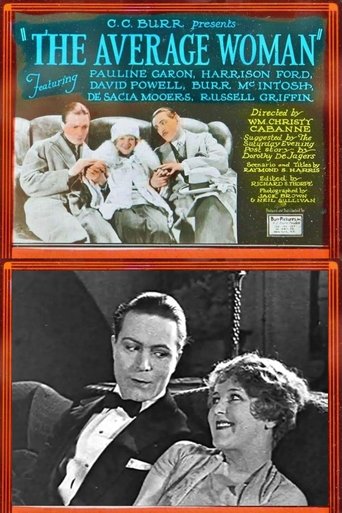
Titles linked here include Wine of Youth (1924), The Average Woman (1924).
When was Pauline Garon born and when did she die?
Born September 9, 1900; died August 30, 1965.
What awards did Pauline Garon win?
While Pauline Garon did not receive major acting awards during her career, she was honored with a star on the Hollywood Walk of Fame for her contributions to motion pictures.
What was Pauline Garon's acting style?
Garon was known for her naturalistic acting style in an era when exaggerated pantomime was common. She excelled at conveying subtle emotions through her expressive eyes and delicate gestures, often portraying youthful innocence and vulnerability in her roles.