
The College Hero
"The College Hero (1927)"
Keys: Space play/pause · ←/→ 10s · F fullscreen · M mute · </> speed
About this film
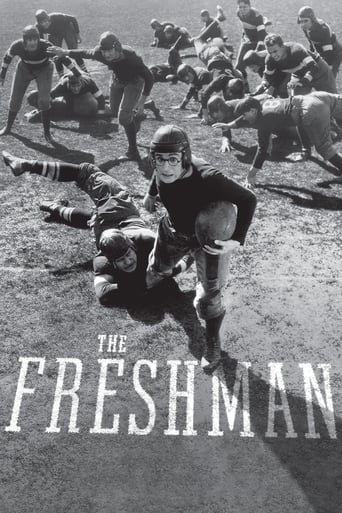
A college football player is injured by a jealous teammate during practice, but comes back unexpectedly to play for his team in the season's key game.
Cast & crew
More films like this
More Comedy films
View all →







More from Walter Lang
View all →
More about this film
About the production
Release dateOctober 15, 1927
Box officeUnknown - box office records for many silent films of this era were not systematically preserved
ProductionComedy Film Corporation, Quality Pictures
Filmed inLos Angeles, California, University of Southern California campus
The film was shot during the height of college football's popularity in America, utilizing real college football players as extras for authenticity. Director Walter Lang, early in his career, emphasized natural athletic movements by having the actors train with actual football coaches. The football sequences were filmed using innovative camera techniques for the time, including multiple camera angles and slow-motion effects to capture the athletic action.
Themes
Sportsmanship and fair playThe triumph of perseverance over adversityJealousy and betrayalCollege life and coming of ageRomantic love and loyalty
Themes & topics
Historical background
Contemporary records classify The College Hero (1927) as 1927 film, placing it within late silent cinema and the transition toward sound.
Why this film matters
The College Hero (1927) helps trace genre evolution, performer careers, and the material conditions of silent exhibition.
Making of
The production faced significant challenges in filming realistic football action sequences. Director Walter Lang insisted on using actual football formations and plays, requiring the cast to undergo extensive training with college coaches. Robert Agnew, despite having some athletic background, suffered minor injuries during the filming of the climactic game scene. The production team built a special camera dolly that could follow the action across the field, a relatively innovative technique for 1927. Ben Turpin, typically known for slapstick comedy, worked closely with Lang to tone down his usual exaggerated expressions for his role as the concerned trainer. The film was shot during an unusually hot California summer, with many cast and crew members suffering from heat exhaustion during the outdoor football sequences.
What critics said
Where contemporary reviews survive, The College Hero is discussed in terms of audience appeal at release; later criticism often reframes it through archive restoration and festival programming.
Did you know?
- Ben Turpin, famous for his cross-eyed comedy, was cast against type as the team's loyal trainer, providing comic relief while maintaining a more serious role than his usual performances.
- The football scenes were filmed at USC's Los Angeles Memorial Coliseum, which would later become famous for hosting the 1932 and 1984 Olympics.
- Robert Agnew performed many of his own football stunts, a dangerous practice in the era before stunt doubles became standard.
- Director Walter Lang would later become known for directing musicals like 'The King and I' (1956), making this early sports film an interesting contrast in his filmography.
- The film was released just weeks before the infamous 'talkie' 'The Jazz Singer' premiered, making it one of the last silent sports dramas of its kind.
- Pauline Garon, a major star of the early 1920s, was in the declining phase of her career when this film was made.
- Real college football players from USC and UCLA were used as background players to ensure authenticity in the game sequences.
- The film's theme of sportsmanship and fair play reflected the growing emphasis on amateur athletics in 1920s American culture.
- A special football was created with exaggerated lacing to make it more visible in the black and white film.
- The injury subplot was inspired by real-life college football incidents that were common in the era before modern protective equipment.
Awards & recognition
- No known awards - this film predates most major film award institutions
Visual style
The cinematography, handled by veteran silent film cameraman William Rees, employed innovative techniques for capturing sports action. Rees utilized multiple camera positions around the football field, including elevated shots that provided a comprehensive view of the plays. The film features some of the earliest examples of camera movement following athletic action, with a specially designed dolly system that could track players across the field. Close-ups were used effectively during emotional moments, particularly in scenes involving the injury and recovery sequences. The black and white photography emphasized the contrast between the bright daylight of the football scenes and the more intimate, shadowy interiors of the romantic moments.
Innovations
The film's most notable technical achievement was its innovative approach to filming football action. The production team developed a special camera mounting system that could be moved along the sidelines to follow the plays, a technique that was relatively advanced for 1927. The film also experimented with slow-motion photography for certain football sequences, though the results were limited by the camera technology of the period. The injury sequence used clever editing and camera angles to create the illusion of a serious football injury without actually endangering the actors. The production also employed early forms of process photography for some background elements in the college scenes.
Music
As a silent film, The College Hero would have been accompanied by live musical performance during its theatrical run. The original cue sheets suggest a score that combined popular songs of the era with classical pieces, particularly rousing marches during the football sequences and romantic themes for the love story. The film's most prominent musical motif was likely a variation of the college fight song tradition, with original compositions by the studio's music department. Theaters showing the film would have employed either full orchestras in larger venues or piano/organ accompaniment in smaller theaters, with the score adapted to the available musicians.
Famous quotes
When the going gets tough, the tough get going!" - Coach Miller to the team
A man's not beaten until he says he's beaten!" - Tom Madison
Football isn't just a game, son. It's character building!" - The Coach
You can't keep a good man down, especially when his team needs him!" - Trainer (Ben Turpin)
Memorable scenes
- The climactic championship game where Tom Madison makes his surprise return to the field, hobbling onto the gridiron just as his team is about to lose, then leading them to victory with a dramatic last-minute touchdown. The scene effectively builds tension through rapid editing between the game action, the crowd's reactions, and Betty's emotional response from the stands.
What audiences thought
The College Hero performed moderately well at the box office, particularly appealing to college students and sports enthusiasts. Audiences of the era responded positively to the authentic football footage and the romantic subplot, which followed familiar but satisfying conventions of silent cinema. The film's timing, released during football season, helped boost its attendance figures. Contemporary audience letters preserved in film archives indicate that viewers particularly appreciated the climactic game sequence and found Robert Agnew's performance convincing as both athlete and romantic lead. The film developed a modest following among college alumni associations, who sometimes organized special screenings during homecoming weekends in the late 1920s.
Film connections
Influenced by
- The Freshman (1925)
- Brown of Harvard (1926)
- The Quarterback (1926)
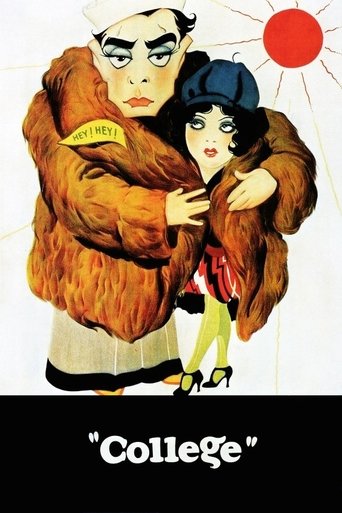
- College (1927)
This film influenced
- The Spirit of Notre Dame (1931)
- The All-American (1932)
- Pork Chop Hill (1959) - thematically
- Brian's Song (1971) - thematically
Film restoration
The preservation status of The College Hero is uncertain. Like many silent films from the late 1920s, it may be partially or completely lost. No complete restored version is known to exist in major film archives. Some sources suggest that fragments or a degraded copy may exist in private collections or smaller archives, but comprehensive preservation efforts have not been documented. The film's survival is threatened by the natural decomposition of nitrate film stock and the lack of commercial interest in restoration.
Where to watch
- Currently, The College Hero is not commercially available on any streaming platforms or home video formats. Film enthusiasts may need to check with specialized film archives, silent film societies, or the Library of Congress for potential access to any surviving copies or fragments. Occasionally, rare film screenings at silent film festivals or museums might feature portions of the film if a print exists in their collections.