Charles Paddock
Actor
Born: August 11, 1900 in Gainesville, Texas, USA Died: July 21, 1943 Active: 1927-1927 (film career) Birth Name: Charles William Paddock
Films
1 film
About Charles Paddock
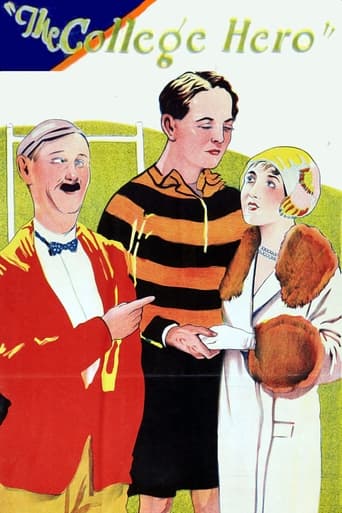
Charles Paddock was primarily known as Olympic sprinters of the 1920s before briefly venturing into acting. Born in Gainesville, Texas, he rose to international fame as a track and field athlete, earning the nickname 'the World's Fastest Human' after setting multiple world records. His athletic career peaked with gold medals at the 1920 and 1924 Olympic Games, where he became known for his unique finishing style and charismatic personality. In 1927, at the height of his athletic fame, he made his only foray into cinema with 'The College Hero,' capitalizing on his celebrity status to appear in this silent sports drama. The film was essentially a vehicle to showcase his athletic abilities and popularity, rather than a serious dramatic performance. After this single film appearance, Paddock returned to his athletic career and later worked as a journalist and sports administrator. His life was tragically cut short in 1943 when he died in a plane crash near Sitka, Alaska, while serving as a captain in the Marine Corps during World War II.
The Craft
On Screen
Natural athletic presence with limited dramatic training, primarily utilizing his celebrity status and physical prowess rather than developed acting technique
Milestones
- Olympic Gold Medalist in 100m and 4x100m relay (1920)
- Olympic Silver Medalist in 200m (1920)
- Olympic Gold Medalist in 4x100m relay (1924)
- Set multiple world records in sprinting events
- Appeared in 'The College Hero' (1927)
Best Known For
Iconic Roles
Must-See Films
Accolades
Won
- Olympic Gold Medal - 100 meters (1920)
- Olympic Gold Medal - 4x100m relay (1920)
- Olympic Gold Medal - 4x100m relay (1924)
- Olympic Silver Medal - 200 meters (1920)
- Olympic Silver Medal - 200 meters (1924)
Nominated
- No film industry nominations received
Special Recognition
- Inducted into USA Track & Field Hall of Fame (1974)
- Inducted into National Track and Field Hall of Fame
- USC Athletic Hall of Fame inductee
Working Relationships
Worked Often With
Studios
Why They Matter
Impact on Culture
Charles Paddock's impact on cinema was minimal compared to his enormous influence on sports and popular culture in the 1920s. As one of the first true sports celebrities of the modern era, his brief foray into filmmaking represented the growing trend of athletes crossing over into entertainment during the golden age of sports. 'The College Hero' exemplified how Hollywood sought to capitalize on athletic fame, creating vehicles that showcased real sports stars rather than actors playing athletes. While his film career was essentially nonexistent, Paddock helped pave the way for future athlete-actors and demonstrated the commercial potential of sports celebrity in entertainment media.
Lasting Legacy
Charles Paddock's legacy in film history is that of a curiosity - a legendary athlete who made a single cinematic appearance during the silent era. His true legacy remains in athletics, where he revolutionized sprinting techniques and became one of the first sports superstars. In cinema history, he represents the brief but fascinating intersection of sports and entertainment in the 1920s, when the lines between athletic celebrity and movie stardom began to blur. His appearance in 'The College Hero' serves as a historical artifact showing how early Hollywood attempted to capitalize on sports fame, a practice that would become increasingly common in subsequent decades.
Who They Inspired
Paddock's influence on cinema was negligible due to his extremely limited film career. However, his crossover from athletics to entertainment, however brief, prefigured the numerous athlete-to-actor transitions that would become common in later decades. His success in both arenas (though limited in film) demonstrated the commercial viability of sports celebrity in entertainment, influencing how studios would later market and cast real athletes in films. His charismatic personality and media presence also helped establish the template for how sports stars could transition into entertainment personalities.
Off Screen
Charles Paddock married twice during his lifetime. His first marriage was to Reada C. Paddock, with whom he had two children. After their divorce, he married Neva M. Paddock. He was known for his charismatic personality and became a popular public speaker after his athletic career. During World War II, he served as a captain in the United States Marine Corps, working in public relations. His life was tragically cut short at age 42 when the military plane he was traveling in crashed during a routine flight in Alaska.
Education
University of Southern California (USC)
Family
- Reada C. Paddock (1920s-1930s)
- Neva M. Paddock (late 1930s-1943)
Did You Know?
- Known as 'the World's Fastest Human' during his athletic prime
- Famous for his unique finishing style of leaping at the tape
- Set the first official 100m world record recognized by the IAAF
- Worked as a sports journalist after retiring from athletics
- Appeared in newsreels and short subjects throughout the 1920s
- Was one of the first athletes to secure lucrative endorsement deals
- His plane crash death occurred during a routine military flight in Alaska
- Served as a Marine Corps captain during World War II
- The 1927 film 'The College Hero' was essentially built around his celebrity
- Was a graduate of the University of Southern California
- His athletic active years covered from 1917 to 1929
- Competed in both the 1920 Antwerp and 1924 Paris Olympics
In Their Own Words
I run to win, not just to compete
Speed is not just about legs, it's about heart and determination
The finish line is just the beginning of the next race
Frequently Asked Questions
Who was Charles Paddock?
Charles Paddock was primarily known as an Olympic sprinter who won multiple gold and silver medals in the 1920 and 1924 Olympics. He briefly ventured into acting in 1927, appearing in the silent film 'The College Hero,' capitalizing on his athletic fame during the golden age of sports celebrity.
What films is Charles Paddock best known for?
Titles linked here include The College Hero (1927).
When was Charles Paddock born and when did he die?
Born August 11, 1900; died July 21, 1943.
What awards did Charles Paddock win?
Paddock's major awards were athletic, not cinematic. He won Olympic gold medals in the 100m and 4x100m relay (1920), another gold in the 4x100m relay (1924), and silver medals in the 200m at both Olympics. He was later inducted into the USA Track & Field Hall of Fame in 1974.
What was Charles Paddock's acting style?
Paddock's acting style was essentially non-existent as a developed technique. In 'The College Hero,' he relied on his natural athletic presence and celebrity charisma rather than formal acting training. His performance was more of an extension of his athletic persona than a dramatic interpretation.
How did Charles Paddock influence cinema?
Paddock's influence on cinema was minimal due to his single film appearance, but he represented an early example of athlete crossover to entertainment. His brief film career helped demonstrate the commercial potential of sports celebrity in Hollywood, prefiguring the numerous athlete-actor transitions that would follow in subsequent decades.
Was Charles Paddock primarily an actor or athlete?
Charles Paddock was overwhelmingly an athlete first and foremost. His primary fame came from being one of the world's fastest sprinters in the 1920s, earning him the nickname 'the World's Fastest Human.' His acting career was a brief footnote to his legendary athletic achievements.
What was 'The College Hero' about?
'The College Hero' (1927) was a silent sports drama that served as a vehicle to showcase Charles Paddock's athletic abilities and celebrity status. The film capitalized on the popularity of college sports and Paddock's Olympic fame, though it was not a major commercial success and is now largely forgotten.