Joan Standing
Actor
Born: June 26, 1902 in London, England Died: February 3, 1979 Active: 1922-1928
Films
4 films

About Joan Standing
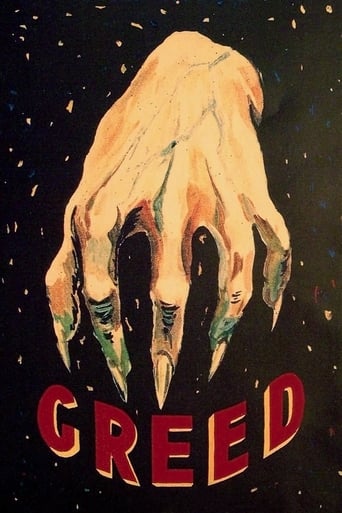
Made her mark during the golden age of silent cinema in the early 1920s. Born in London in 1902, she began her film career at the height of the silent era and quickly established herself as a versatile character actress. Her most significant role came as Nancy in Frank Lloyd's 1922 adaptation of 'Oliver Twist,' showcasing her ability to portray complex emotions without dialogue. Standing gained further recognition for her performance in Erich von Stroheim's masterpiece 'Greed' (1924), where she played Maria in this now- film about the destructive power of avarice. Throughout her brief but impactful career, she appeared in approximately 20 films, working with some of the most respected directors of her time. After the transition to sound films in the late 1920s, Standing gradually stepped away from acting and reinvented herself as a successful novelist, writing under the name Joan Standing-Abady. Her legacy as a silent film actress remains preserved in her contributions to some of the most important films of the era.
The Craft
On Screen
Joan Standing was known for her expressive silent film technique, utilizing subtle facial expressions and body language to convey complex emotions. Her performances were marked by a naturalistic quality that helped bridge the gap between theatrical acting and the more intimate style required for film. Standing had particular skill in portraying vulnerable yet strong-willed female characters, bringing depth and authenticity to roles that could easily have been one-dimensional. Her work in 'Greed' demonstrated her ability to embody the gritty realism that von Stroheim demanded from his actors, while her performance as Nancy in 'Oliver Twist' showcased her range in portraying both tenderness and fierce determination.
Milestones
- Starred as Nancy in the acclaimed 1922 adaptation of 'Oliver Twist'
- Appeared in Erich von Stroheim's masterpiece 'Greed' (1924)
- Worked with prominent silent film directors including Frank Lloyd and Erich von Stroheim
- Successfully transitioned from acting to a career as a novelist
- Appeared in approximately 20 films during the silent era
Best Known For
Iconic Roles
Must-See Films
Working Relationships
Worked Often With
Studios
Why They Matter
Impact on Culture
Joan Standing's contributions to silent cinema, while not widely recognized today, are preserved in some of the most important films of the era. Her performance in 'Greed' places her within the context of what many film historians consider one of the greatest American films ever made. As a British actress working in Hollywood during the silent era, she was part of the international exchange of talent that characterized early cinema. Standing's ability to transition successfully from acting to literature also represents an alternative path for performers whose careers were affected by the transition to sound films. Her work continues to be studied by film scholars and silent film enthusiasts who appreciate the nuanced performances of character actresses during this transitional period in cinema history.
Lasting Legacy
Joan Standing's legacy lies primarily in her contributions to significant silent films that have endured as classics of the medium. Her performance as Nancy in 'Oliver Twist' alongside child star Jackie Coogan remains a memorable interpretation of the character, while her work in 'Greed' ensures her place in film history as part of von Stroheim's ambitious project. Standing represents the many talented character actresses of the silent era who brought depth and authenticity to supporting roles, often overshadowed by leading players but essential to the films' success. Her later career as a novelist demonstrates the adaptability and creativity of early film performers, many of whom found new ways to express their artistic vision after their film careers ended.
Who They Inspired
While Joan Standing did not achieve the level of stardom that would have made her a direct influence on subsequent generations of actors, her work in important silent films contributed to the evolution of film acting techniques. Her naturalistic style in 'Greed' exemplified the move away from theatrical gestures toward more subtle, psychologically grounded performances that would become standard in later cinema. Standing's successful transition from performer to author also provided a model for other entertainers seeking to reinvent themselves after their primary careers ended.
Off Screen
After her acting career ended, Joan Standing married French writer and literary critic André Abady, adopting the hyphenated surname Standing-Abady. The couple made their home in England, where Standing focused on her literary pursuits. Her transition from actress to novelist was relatively successful, and she published several works under her married name. Standing maintained a relatively private life away from the public eye in her later years, focusing on her writing and family. She spent her final years in Hertfordshire, England, where she passed away in 1979 at the age of 76.
Education
No specific educational information is available about Joan Standing's formal education, though she demonstrated literary abilities in her later career as a novelist.
Family
- André Abady (married date unknown - 1979)
Did You Know?
- Appeared in Erich von Stroheim's notorious 'Greed,' which originally ran over 10 hours before being severely cut by the studio
- Worked with child superstar Jackie Coogan in 'Oliver Twist' during the height of Coogan's fame
- Her film career lasted only about six years, from 1922 to approximately 1928
- Successfully reinvented herself as a novelist after leaving the film industry
- Sometimes credited as Joan Standing-Abady in her later literary works
- Was part of the international contingent of European actors working in Hollywood during the silent era
- Her role in 'The Unholy Three' (1925) placed her in a film directed by Tod Browning, who would later direct 'Dracula' (1931)
- Appeared in 'The Prisoner of Zenda' (1922), one of many adaptations of the popular adventure novel
- Her career coincided exactly with the transition from silent films to talkies, which likely contributed to her relatively short filmography
- Like many silent film actors, her career was significantly impacted by the advent of sound technology in cinema
In Their Own Words
No famous quotes from Joan Standing are documented in available sources
Frequently Asked Questions
Who was Joan Standing?
Screen credits include silent films during the 1920s, best known for her roles in 'Oliver Twist' (1922) and 'Greed' (1924). After her acting career ended with the transition to sound films, she became a successful novelist writing under the name Joan Standing-Abady.
What films is Joan Standing best known for?
Titles linked here include Oliver Twist (1922), Greed (1924).
When was Joan Standing born and when did she die?
Born June 26, 1902; died February 3, 1979.
What awards did Joan Standing win?
There are no documented awards or nominations for Joan Standing's film work, which was not uncommon for character actresses during the silent era. Her recognition comes primarily from her participation in historically significant films rather than formal accolades.
What was Joan Standing's acting style?
Joan Standing was known for her naturalistic silent film acting style, using subtle facial expressions and body language to convey emotion. She specialized in portraying vulnerable yet strong-willed female characters with authenticity and depth, moving away from the exaggerated gestures common in earlier silent film performances.
Why did Joan Standing's acting career end?
Joan Standing's film career ended around 1928, likely due to the transition from silent films to talkies. Many actors with distinctive accents or limited vocal training struggled with this transition, and Standing chose to leave acting rather than adapt to sound films, instead pursuing a successful career as a novelist.