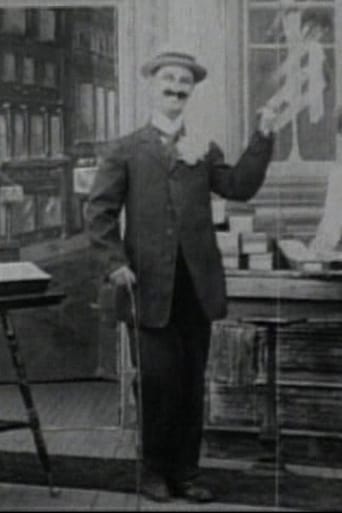

Ben Turpin
Actor
Born: September 19, 1869 in New Orleans, Louisiana, USA Died: July 1, 1940 Active: 1907-1935 Birth Name: Bernard Turpin
Films
21 films
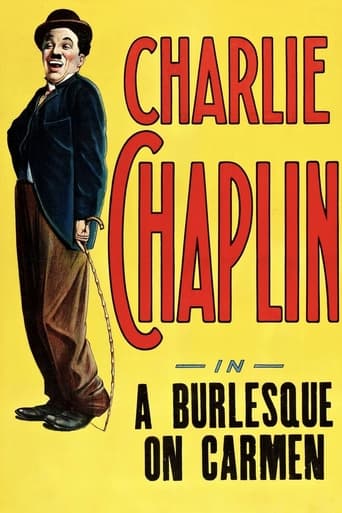
A Burlesque on Carmen
1915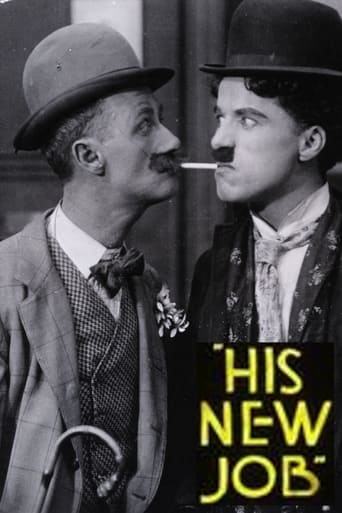
His New Job
1915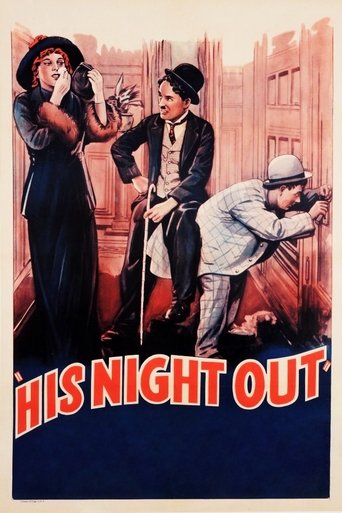
A Night Out
1915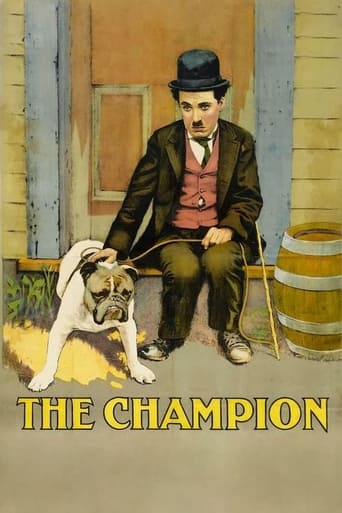
The Champion
1915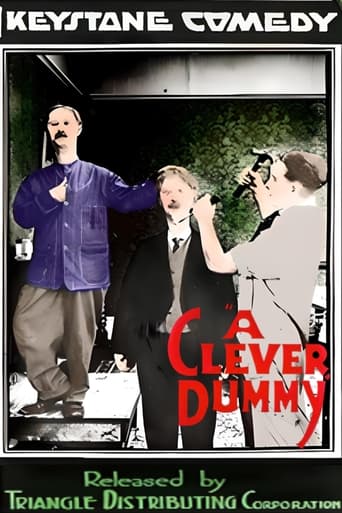
A Clever Dummy
1917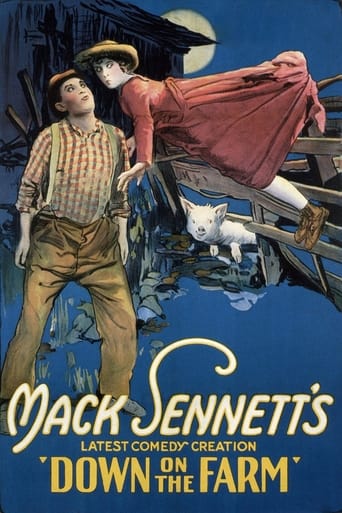
Down on the Farm
1920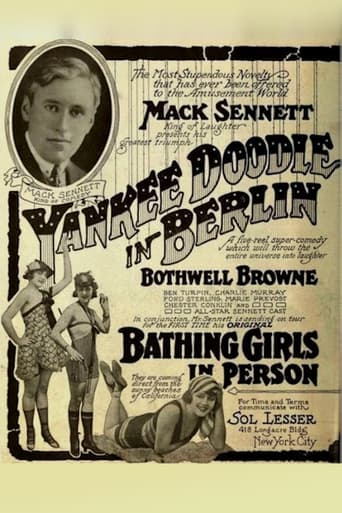
Yankee Doodle in Berlin
1919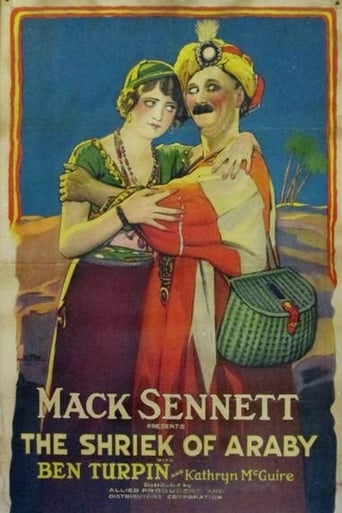
The Shriek of Araby
1923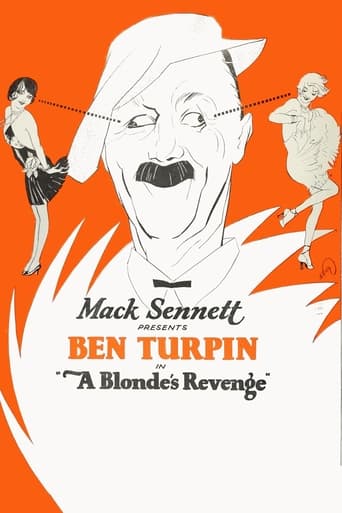
A Blonde's Revenge
1926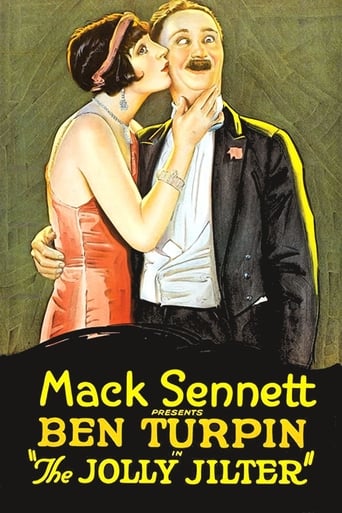
The Jolly Jilter
1927
Broke in China
1927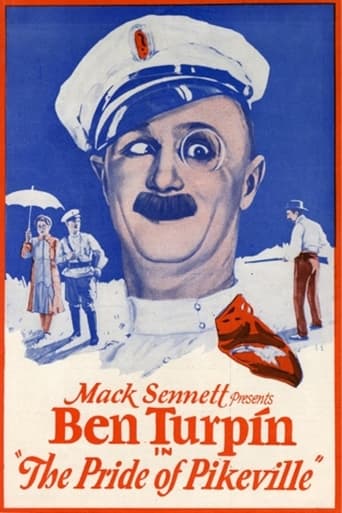
The Pride of Pikeville
1927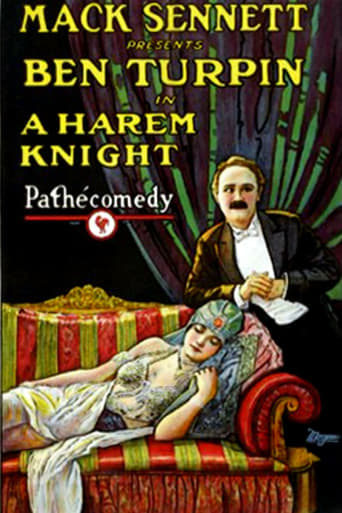
A Harem Knight
1926
The Show of Shows
1929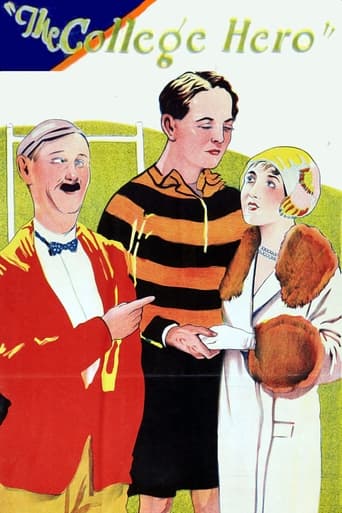
The College Hero
1927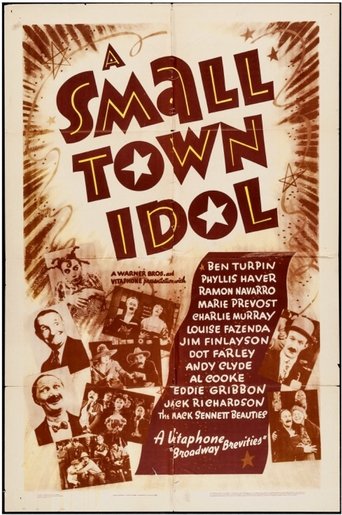
A Small Town Idol
1921
The Laundress
1914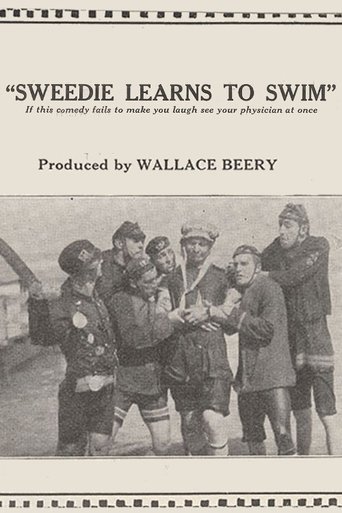
Sweedie Learns to Swim
1914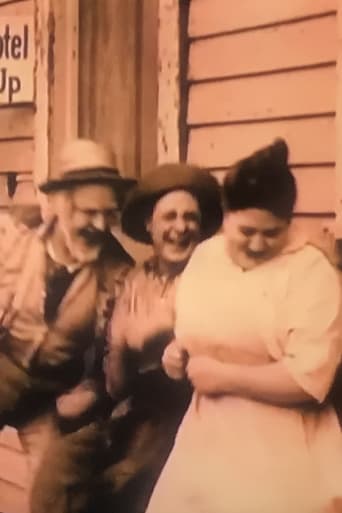
Versus Sledge Hammers
1915No Poster
Holding His Own
1928About Ben Turpin
Ben Turpin was distinctive and recognizable comedians of the silent film era, renowned for his permanently crossed eyes that became his comedic trademark. Born Bernard Turpin in New Orleans, he began his entertainment career in vaudeville and circus performances before transitioning to film in 1907. Turpin's breakthrough came when he joined Mack Sennett's Keystone Studios in 1915, where he appeared in numerous comedies alongside Charlie Chaplin, including 'His New Job' and 'A Night Out.' His unique physical appearance and willingness to perform dangerous stunts made him a valuable supporting player and occasional lead in hundreds of short films throughout the 1910s and 1920s. Despite the transition to sound films, Turpin's career waned as his style of physical comedy became less popular, though he continued making appearances in films through the early 1930s. His legacy endures as memorable character actors of silent comedy, whose distinctive look and comedic timing influenced generations of physical comedians.
The Craft
On Screen
Turpin specialized in broad physical comedy and slapstick, utilizing his naturally crossed eyes as his primary comedic device. His style emphasized exaggerated facial expressions, pratfalls, and willingness to endure physical punishment for laughs. He often played the comic foil or antagonist, using his distinctive appearance to create immediate recognition and humor. Turpin's comedy was purely visual, relying on physical gags rather than dialogue, making him perfectly suited for silent films. His performances were characterized by high energy, impeccable timing, and a complete commitment to physical comedy that often involved dangerous stunts.
Milestones
- Joined Mack Sennett's Keystone Studios in 1915
- Appeared in multiple Charlie Chaplin films including 'His New Job' (1915)
- Became one of the highest-paid supporting actors in silent films
- Received an Academy Honorary Award in 1932
- Made over 200 films during his career
- Known for performing his own dangerous stunts
Best Known For
Iconic Roles
Must-See Films
Accolades
Won
- Academy Honorary Award (1932) - For his unique contributions to motion picture comedy
Special Recognition
- Hollywood Walk of Fame Star (6301 Hollywood Boulevard)
- Inducted into the Comedy Hall of Fame
Working Relationships
Worked Often With
Studios
Why They Matter
Impact on Culture
Ben Turpin's crossed eyes became an iconic image in American popular culture, representing the golden age of silent comedy. His distinctive appearance made him instantly recognizable to audiences worldwide, and his image appeared on countless products, from postcards to toys. Turpin demonstrated that physical differences could be turned into comedic assets, paving the way for other character actors with distinctive features. His success as a supporting player helped establish the importance of character actors in film comedy, showing that not every successful comedian needed to be the romantic lead. Turpin's work with Chaplin helped define the visual language of silent comedy, influencing how physical gags were performed and filmed for decades.
Lasting Legacy
Ben Turpin remains. His Academy Honorary Award recognized not just his individual contributions but the importance of character actors in film history. Turpin's films continue to be studied by film scholars and comedy enthusiasts for their pure physical comedy and innovative stunt work. His ability to turn a physical characteristic into a successful career inspired future generations of comedians to embrace their unique traits rather than hide them. Modern comedians and character actors continue to draw inspiration from Turpin's complete commitment to physical comedy and his understanding of visual humor.
Who They Inspired
Turpin's influence extends beyond silent comedy into the broader landscape of American humor. His work demonstrated the power of visual comedy that transcended language barriers, influencing international comedy traditions. The character actor archetype he perfected - the distinctive-looking comic relief - became a staple in Hollywood films for decades. His willingness to perform dangerous stunts set a standard for physical comedy that influenced performers like Harold Lloyd and Buster Keaton. Modern comedians who use their physical appearance as part of their comedic persona, from Jim Carrey to Rowan Atkinson, owe a debt to Turpin's work in turning distinctive features into comedic assets.
Off Screen
Ben Turpin married twice during his lifetime, first to actress Carrie L. Van Dyke in 1907, which ended in divorce, and later to Lillian B. O'Brien in 1927, with whom he remained until his death. Unlike many Hollywood figures of his era, Turpin was known for his frugal lifestyle and wise financial investments, which allowed him to live comfortably after his film career declined. He was known to be a private person who rarely discussed his personal life in public, preferring to let his on-screen persona speak for itself. Turpin was also known for his professionalism on set and his willingness to help younger performers, despite his status as a major star.
Education
Limited formal education; received most of his training through vaudeville and circus performance experience
Family
- Carrie L. Van Dyke (1907-1920, divorced)
- Lillian B. O'Brien (1927-1940, his death)
Did You Know?
- He insured his crossed eyes for $25,000, a massive sum at the time
- His eyes were naturally crossed; he did not fake this condition for his roles
- He was one of the few actors to successfully transition from circus performer to film star
- Turpin could uncross his eyes at will, but kept them crossed for his film career
- He appeared in more films with Charlie Chaplin than any other supporting actor
- His salary peaked at $1,000 per week in the 1920s, equivalent to over $15,000 today
- He was known for his extreme frugality, often bringing his own lunch to film sets
- Turpin performed many of his own dangerous stunts, including falls and pratfalls
- He was one of the first actors to receive an Academy Honorary Award
- His distinctive look inspired countless caricatures and comic strip characters
- Despite his comic persona, he was known as a serious businessman who invested wisely
- He continued performing in vaudeville between film commitments throughout his career
In Their Own Words
"I've been cross-eyed all my life, and it took me twenty years to realize I could make a living out of it." - Ben Turpin on his career
"The secret to comedy is timing. The secret to my timing is that I can't see straight anyway." - Ben Turpin
"Charlie Chaplin taught me more about comedy in one week than I learned in twenty years of vaudeville." - On working with Chaplin
"I may not be the leading man, but I'm the man everyone remembers." - On his career as a character actor
Frequently Asked Questions
Who was Ben Turpin?
Famous silent film comedian known for his permanently crossed eyes, which became his trademark in over 200 films during the 1910s and 1920s. He worked extensively with Charlie Chaplin and at Mack Sennett's Keystone Studios, becoming.
What films is Ben Turpin best known for?
Titles linked here include His New Job (1915), A Night Out (1915).
When was Ben Turpin born and when did he die?
Born September 19, 1869; died July 1, 1940.
What awards did Ben Turpin win?
Ben Turpin received an Academy Honorary Award in 1932 for his unique contributions to motion picture comedy. He also has a star on the Hollywood Walk of Fame and has been inducted into the Comedy Hall of Fame.
What was Ben Turpin's acting style?
Turpin specialized in broad physical comedy and slapstick, utilizing his naturally crossed eyes as his primary comedic device. His style emphasized exaggerated facial expressions, pratfalls, and dangerous stunts, making him a master of visual humor perfect for silent films.
Did Ben Turpin really have crossed eyes?
Yes, Ben Turpin's eyes were naturally crossed - this was not an affectation for his film roles. In fact, he could uncross his eyes at will but kept them crossed throughout his film career as his trademark. He even insured his distinctive feature for $25,000.
How did Ben Turpin influence comedy?
Turpin demonstrated that physical differences could be turned into comedic assets, influencing generations of character actors. His work helped establish the importance of visual comedy in film and showed that distinctive physical traits could become valuable career assets in entertainment.