
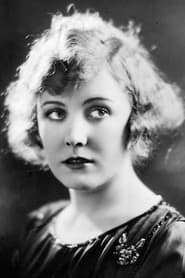

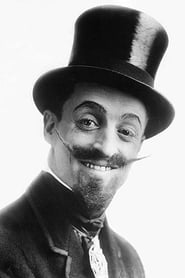
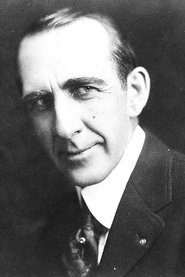
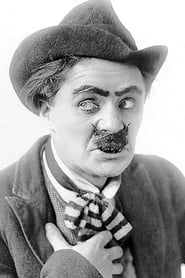
The Champion
"who can take a punch"
Keys: Space play/pause · ←/→ 10s · F fullscreen · M mute · </> speed
About this film
Walking along a street with his bulldog, Charlie finds a "good luck" horseshoe just as he passes the training camp of an enormous fighter named Spike Dugan. Outside the camp is a large, painted advertisement which states Dugan is seeking sparring partners "who can take a punch." After watching other better fighters be soundly beaten by Dugan, Charlie decides his best bet is to put the horseshoe inside his boxing glove. Using the loaded glove, Charlie connects with a solid punch and wins.
Cast & crew
More films like this


More Comedy films
View all →







More from Charlie Chaplin
View all →


More about this film
About the production
Release dateMarch 11, 1915
Box officeExact figures unavailable, but was one of Chaplin's most commercially successful Mutual films
ProductionMutual Film Corporation
Filmed inLos Angeles, California, Mack Sennett Studios area
The bulldog in the film was Chaplin's own pet dog named 'Mutt'. The boxing scenes required extensive rehearsal and choreography, with Chaplin performing most of his own stunts. The film was shot in just a few days, typical of Chaplin's efficient production schedule during his Mutual period.
Themes
Underdog triumphLuck versus skillLove and romanceCorruption in sportsClass struggle
Themes & topics
Historical background
The Champion (1915) emerged during the silent-film era. Walking along a street with his bulldog, Charlie finds a "good luck" horseshoe just as he passes the training camp of an enormous fighter named Spike Dugan. Archival records and catalog entries help place the work within film-history surveys of the period.
Why this film matters
Preserved under Wikidata ID Q2346516, The Champion is valued as a comedy within catalog and archive collections. Wikipedia's "The Champion (1915 film)" entry connect it to broader histories of cinema exhibition and restoration.
Making of
The production of 'The Champion' took place during Chaplin's highly productive period with Mutual Film Corporation, where he had complete creative control and a generous budget for the time. Chaplin meticulously planned the boxing sequences, studying real boxing matches to create authentic yet comic movements. The bulldog, Mutt, was difficult to work with at times, often refusing to follow direction, which led to some improvisation in the filming. Edna Purviance, though relatively new to acting, showed remarkable chemistry with Chaplin, and this film helped establish her as his leading lady for many subsequent films. The fight scenes required Chaplin to perform numerous takes to perfect the timing of the gags, particularly the sequence where he uses the horseshoe as an advantage. The film's success cemented Chaplin's reputation as the world's biggest comedy star and demonstrated his ability to blend physical comedy with genuine emotional moments.
What critics said
Trade and archival sources offer limited day-one review coverage for The Champion. Modern reception rests on its availability in collections, repertory screenings, and reference works that document 1915 cinema.
Did you know?
- This was the first film where Chaplin's famous bulldog appeared, a dog he owned in real life named 'Mutt'
- The boxing ring sequences were so physically demanding that Chaplin suffered bruises and minor injuries during filming
- Edna Purviance, who plays the trainer's daughter, was discovered by Chaplin and this was one of her early collaborations with him
- The lucky horseshoe gag became one of Chaplin's most copied comic devices in later films by other comedians
- The film's success led to Chaplin making several more boxing-themed comedies throughout his career
- The championship fight scene was filmed in a single day with multiple cameras to capture different angles
- The gambler character was played by Ernest Van Pelt, who was actually a former professional boxer in real life
- The film was preserved by the Library of Congress and selected for the National Film Registry in 1998
- Chaplin reportedly spent weeks studying real boxing matches to perfect the comic timing of the fight sequences
- The original negative was thought lost for decades until a complete print was discovered in the 1970s
Awards & recognition
- Selected for National Film Registry (1998)
- Named one of Chaplin's 12 essential Mutual films by film historians
Visual style
The cinematography, handled by Roland Totheroh (Chaplin's regular cameraman), employed innovative techniques for the time, including dynamic camera movement during the boxing sequences. The fight scenes used multiple camera angles to capture the action from various perspectives, a relatively advanced technique for 1915. The lighting in the boxing ring scenes created dramatic shadows that enhanced the comic timing of the gags. Totheroh's close-ups of Chaplin's expressive face during emotional moments helped establish the intimate connection between the Tramp and the audience. The film also featured effective use of depth of field in the training camp sequences, creating a sense of space and realism that elevated it above typical two-reel comedies of the era.
Innovations
The film showcased several technical innovations for its time, particularly in the editing of the boxing sequences which used rapid cuts to create a sense of action and movement. The use of multiple cameras for the fight scenes was relatively advanced for 1915, allowing for more dynamic visual storytelling. The film also featured sophisticated special effects for the era, including trick photography for some of the boxing gags. Chaplin's team developed new techniques for capturing the fast-paced action without losing clarity, innovations that would influence action filmmaking for decades. The film's preservation and restoration have also demonstrated modern technical achievements in film conservation, with digital techniques used to repair damage to the original nitrate prints.
Music
As a silent film, 'The Champion' originally had no recorded soundtrack but was accompanied by live musical performances in theaters. Typical accompaniment included piano or organ music, with some theaters employing small orchestras. The musical selections often included popular marches for the boxing sequences and romantic melodies for the scenes between Charlie and Edna's character. Modern restorations have been released with newly composed scores by silent film specialists, including a version with music by composer Carl Davis that attempts to recreate the musical style of the 1910s. The rhythm and pacing of the original live music would have been crucial to the film's comic timing, with musicians trained to synchronize their playing with the on-screen action.
Famous quotes
(Intercard) 'A boxing partner wanted - Must be able to take a beating'
(Intercard) 'The Champion's Lucky Charm'
(Intercard) 'The Fight of the Century'
(Intercard) 'Love and Boxing'
Memorable scenes
- The opening sequence where Charlie finds the lucky horseshoe and immediately tests his luck
- The training montage where Charlie hilariously fails at basic boxing exercises
- The first fight where Charlie uses the horseshoe to defeat his opponent
- The romantic scene between Charlie and the trainer's daughter by the window
- The chaotic championship fight with its elaborate gags and physical comedy
- The final victory celebration where Charlie is carried on the shoulders of the crowd
What audiences thought
Audiences in 1915 overwhelmingly embraced 'The Champion', with theaters reporting record attendance and numerous requests for return engagements. The film's combination of action, romance, and comedy appealed to a broad demographic, from working-class audiences who identified with the underdog theme to more sophisticated viewers who appreciated Chaplin's artistic innovations. Contemporary accounts describe audiences laughing so loudly during the boxing sequences that they often drowned out the live musical accompaniment. The film's popularity helped establish Chaplin as an international superstar, with reports of packed theaters across Europe and even in countries where American films were rarely shown. Modern audiences continue to respond positively to the film during revival screenings and film festivals, with many noting how well the physical comedy holds up more than a century later. The bulldog character became particularly popular with audiences, leading to increased demand for bulldogs as pets in the years following the film's release.
Film connections
Influenced by
- Earlier boxing films by Georges Méliès
- Mack Sennett's slapstick comedies
- Contemporary boxing matches and newsreels
- Vaudeville comedy routines
- Circus performance traditions
This film influenced
- The Kid Auto Races at Venice (1914)
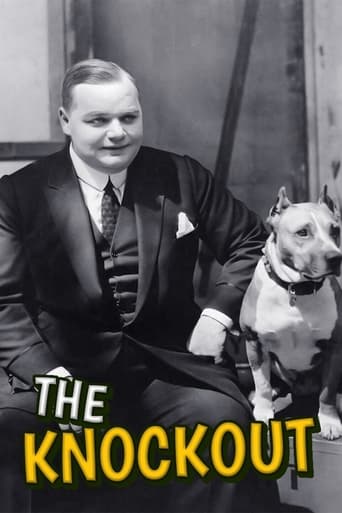
- The Knockout (1915)
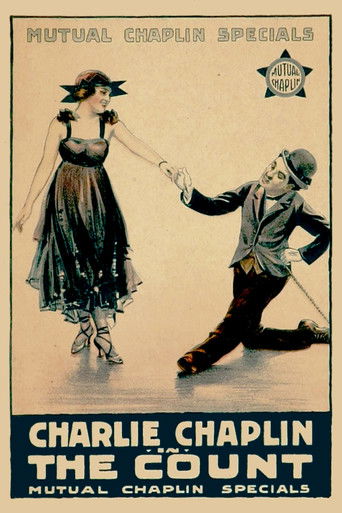
- The Count (1916)
- The Circus (1928)
- City Lights (1931)
- Modern boxing comedies like
- Rocky
- and
- Raging Bull
- in their comic elements
Film restoration
The film is well-preserved with complete copies held by several major archives including the Library of Congress, the British Film Institute, and the Cinémathèque Française. A restored version was released in the 1990s as part of the Chaplin Mutual Films collection. The film was selected for preservation in the United States National Film Registry in 1998, recognizing its cultural, historical, and aesthetic significance. Multiple high-quality digital versions are available for both academic study and public viewing.
Where to watch
- The Criterion Collection (Chaplin Mutual Films box set)
- The Criterion Channel streaming service
- Kino Lorber DVD/Blu-ray releases
- Various public domain streaming platforms
- Film archives and museums with film screening programs
- Educational institutions through film study collections