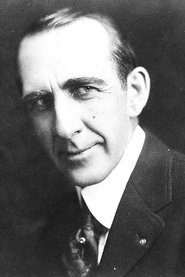
Carl Stockdale
Actor
Born: February 19, 1874 in Minneapolis, Minnesota, USA Died: March 15, 1953 Active: 1913-1935 Birth Name: Charles Eugene Stockdale
Films
11 films

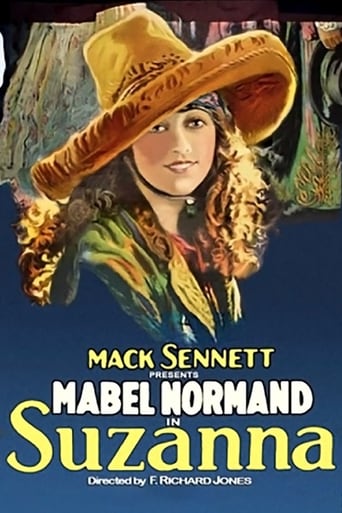
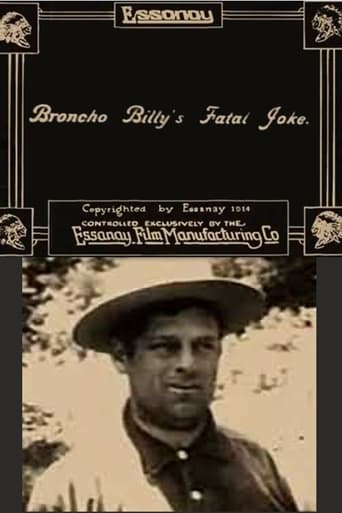
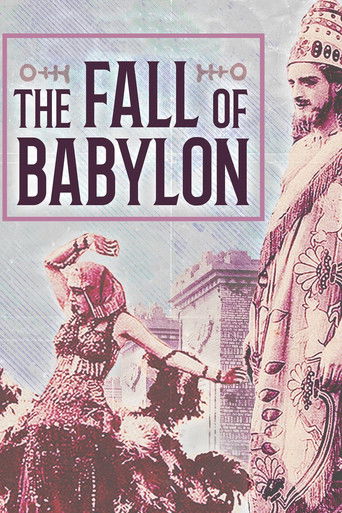
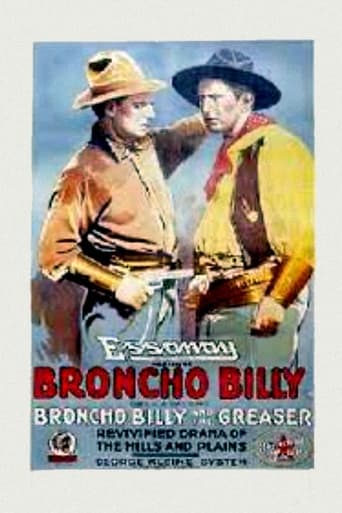
About Carl Stockdale
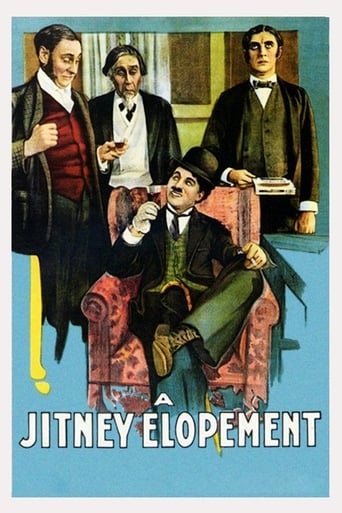
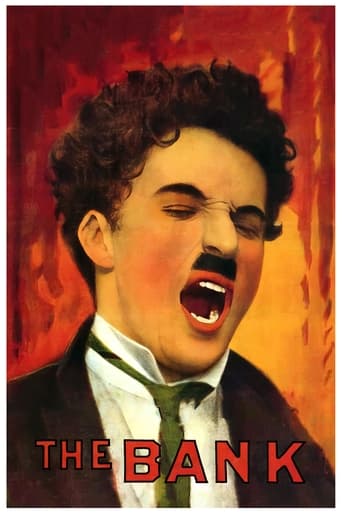
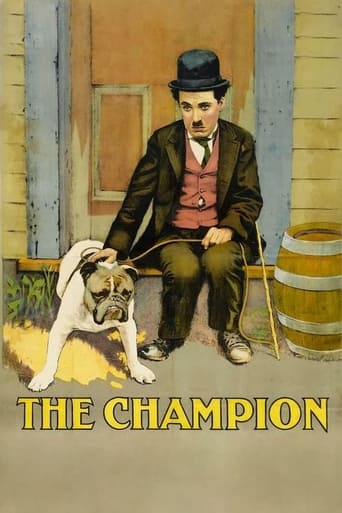
Prolific American silent film actor: over two decades, appearing in more than 280 films between 1913 and 1935. Born in Minneapolis, Minnesota, he began his film career during the early days of Hollywood and quickly became a reliable character actor, frequently appearing in supporting roles for major directors. Stockdale worked extensively with Charlie Chaplin during Chaplin's Essanay period, appearing in several of his short comedies including 'The Tramp,' 'The Bank,' and 'The Champion.' He also had a notable role in D.W. Griffith's epic 'Intolerance' (1916), specifically in the Babylonian sequence. As the transition to sound films began, Stockdale's roles became increasingly smaller, though he continued working through the early 1930s, often uncredited. His final film appearances were in the mid-1930s, after which he retired from the film industry. Stockdale passed away in 1953 in Los Angeles, leaving behind a substantial body of work that, while often in supporting capacities, contributed significantly to the golden age of silent cinema.
The Craft
On Screen
Stockdale was known for his versatile character acting, often portraying villains, authority figures, or comic antagonists with a distinctive presence. His acting style was typical of the silent era, emphasizing expressive facial gestures and physical comedy when working in comedies. In dramatic roles, he brought a gravitas and seriousness that made him effective as judges, police officers, and other figures of authority.
Milestones
- Early collaboration with Charlie Chaplin at Essanay Studios
- Notable role in D.W. Griffith's 'Intolerance' (1916)
- Appeared in over 280 films during his career
- Transitioned from silent to early sound films
- Frequent villain and authority figure roles
Best Known For
Iconic Roles
Must-See Films
Working Relationships
Worked Often With
Studios
Why They Matter
Impact on Culture
Carl Stockdale's contributions to silent cinema, while often in supporting capacities, were significant in helping establish the visual language of early Hollywood film. His work with Charlie Chaplin during the comedian's formative years at Essanay Studios contributed to some of the most influential comedies in film history. Stockdale's ability to effectively portray both comedic and dramatic antagonists helped demonstrate the versatility required of character actors in the silent era, where actors often had to convey complex emotions and motivations without dialogue. His appearance in 'Intolerance' placed him in one of cinema's most ambitious and influential early epics, contributing to a film that would influence filmmakers for generations.
Lasting Legacy
Though not a household name like many of his contemporaries, Carl Stockdale's legacy lives on through his extensive filmography that serves as a valuable record of early Hollywood cinema. His performances in Chaplin's early works provide insight into the collaborative process that created some of cinema's most enduring comedies. As a representative of the working character actor of the silent era, Stockdale's career exemplifies the numerous supporting players who were essential to the film industry's success but whose names have largely faded from public memory. His body of work continues to be studied by film historians and silent cinema enthusiasts who seek to understand the full scope of talent that contributed to early American film.
Who They Inspired
While Stockdale did not mentor other famous actors directly, his consistent professional work ethic and versatility influenced the standards for character acting in early Hollywood. His ability to adapt to various roles and directors demonstrated the importance of reliability and range for supporting actors, setting an example for subsequent generations of character performers. His collaborations with major directors like Chaplin and Griffith contributed to films that would influence countless filmmakers and actors who followed.
Off Screen
Carl Stockdale was married to actress Lillian B. Stockdale, with whom he occasionally appeared in films. The couple resided in Los Angeles during his active years in Hollywood. Beyond his film career, little detailed information about his personal life is publicly documented, which was common for supporting actors of his era who maintained relatively private lives away from the spotlight.
Family
- Lillian B. Stockdale
Did You Know?
- Appeared in more than 280 films throughout his career
- Worked with Charlie Chaplin during Chaplin's crucial Essanay period
- Had a role in D.W. Griffith's controversial but influential epic 'Intolerance'
- Often played villains or authority figures due to his stern appearance
- Transitioned successfully from silent films to early talkies
- Many of his later film roles were uncredited
- Born as Charles Eugene Stockdale but used Carl Stockdale professionally
- His active years covered from the early days of Hollywood through the transition to sound
- Worked with numerous directors of the silent era
- Retired from films in the mid-1930s as the studio system was evolving
Frequently Asked Questions
Who was Carl Stockdale?
Screen credits include over 280 films between 1913 and 1935. He was known for his work as a character actor, frequently playing villains and authority figures, and collaborated with major directors like Charlie Chaplin and D.W. Griffith.
What films is Carl Stockdale best known for?
When was Carl Stockdale born and when did he die?
Born February 19, 1874; died March 15, 1953.
What awards did Carl Stockdale win?
Carl Stockdale did not receive any major formal awards or nominations during his career, which was common for supporting character actors of the silent era who often worked without recognition despite their significant contributions to films.
What was Carl Stockdale's acting style?
Stockdale's acting style was typical of the silent era, emphasizing expressive facial gestures and physical presence. He specialized in portraying villains and authority figures with a stern demeanor, using his distinctive appearance to create memorable antagonists in both comedies and dramas.
Did Carl Stockdale work with famous directors?
Yes, Stockdale worked with several directors including Charlie Chaplin during his Essanay period and D.W. Griffith in 'Intolerance.' He also collaborated with Broncho Billy Anderson and worked for various major studios of the silent era.
How did Carl Stockdale's career evolve over time?
Stockdale began his career in the early 1910s and rose to prominence through his work with Chaplin. His career peaked during the silent era, and while he successfully transitioned to sound films, his roles became smaller and often without on-screen billing in the 1930s before he retired in the mid-1930s.