
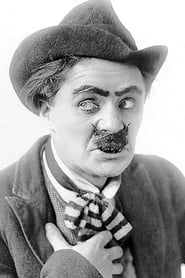
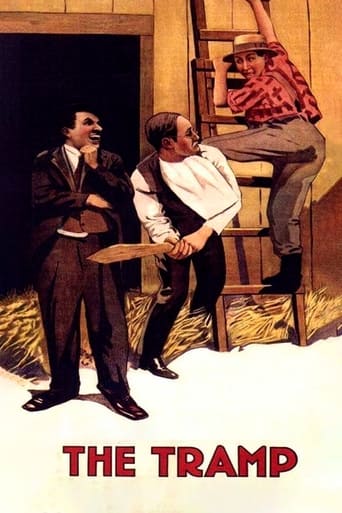
The Bank
"A mop, not a maiden, ends the dream"
Keys: Space play/pause · ←/→ 10s · F fullscreen · M mute · </> speed
About this film
A janitor at a bank is in love with a secretary and dreams that she has fallen in love with him too.
Cast & crew
More films like this
More Comedy films
View all →







More from Charlie Chaplin
View all →



More about this film
About the production
Release dateAugust 9, 1915
Box officeUnknown (Chaplin's Essanay films were highly profitable for the studio)
ProductionEssanay Film Manufacturing Company
Filmed inEssanay Studios, Niles, California
The Bank was one of Chaplin's most sophisticated short films to date, featuring an elaborate dream sequence that was technically advanced for its time. The film showcases Chaplin's growing confidence as a filmmaker, moving beyond simple slapstick to incorporate more complex narrative elements and emotional depth. The dream sequence required special effects and careful editing to distinguish between reality and fantasy, demonstrating Chaplin's evolving technical skills. The bank set was among the leading elaborate constructed at the Niles studio, reflecting the importance Chaplin placed on creating authentic environments for his stories.
Themes
Unrequited loveClass struggleDreams vs. realityThe dignity of the common manRomantic fantasy
Themes & topics
Historical background
Silent-era production in 1915 relied on intertitles, live accompaniment, and studio systems that were rapidly consolidating into national industries.
Why this film matters
Early works like The Bank help map how filmmakers, exhibitors, and viewers developed the visual language of cinema during the medium's first decades. Later revivals, archive screenings, and digitization have kept such titles accessible to researchers and dedicated viewers long after their first commercial runs.
Making of
The production of 'The Bank' took place during a particularly creative period in Chaplin's career at Essanay. The dream sequence required innovative filming techniques, including the use of matte paintings and double exposure to create the fantasy elements. Chaplin, who was increasingly taking control of all aspects of his films, spent weeks perfecting the script and storyboards for the dream sequence. The bank set was among the costliest and elaborate constructed at the Niles studio, with working vault doors and detailed office furnishings. Chaplin's relationship with Edna Purviance was developing both professionally and personally during this period, which many believe contributed to the genuine chemistry visible in their scenes together. The film's production was marked by Chaplin's growing perfectionism, with multiple takes required for even simple scenes to achieve the exact comedic timing he desired.
What critics said
Trade and newspaper reviews from the silent period for The Bank survive only in fragments, making precise reception history difficult to reconstruct. Modern assessment tends to emphasize historical value, craft, and cultural context rather than box-office performance.
Did you know?
- This was one of the first films where Chaplin used a dream sequence as a narrative device, a technique he would later perfect in films like 'The Kid' and 'City Lights'.
- The bank vault scenes were filmed using a specially constructed set that could be opened and closed safely, demonstrating Chaplin's attention to production design.
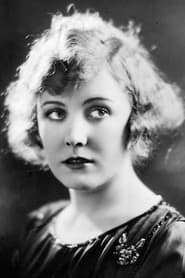
- Edna Purviance, who plays the secretary, was discovered by Chaplin and this was one of her early appearances with him, beginning a long professional and personal relationship.
- The film's dream sequence was considered revolutionary for its time, using double exposure techniques to create surreal effects.
- Chaplin reportedly spent more time on the editing of this film than on many of his previous shorts, perfecting the timing of both the comedic and romantic elements.
- The Bank was one of Chaplin's favorite films from his Essanay period, as he felt it successfully balanced comedy with genuine emotion.
- The film's success helped establish Chaplin as more than just a comedian, showing his ability to create films with heart and pathos.
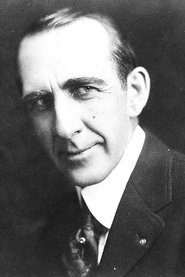
- The character of the bank manager was played by Carl Stockdale, who would later become a regular in Chaplin's films.
- The film was shot during a heatwave in Niles, California, making the wearing of heavy costumes and working under hot lights particularly challenging for the cast.
- The Bank marked one of the first times Chaplin's Tramp character was shown in a more romantic light, rather than purely as a comic figure.
Visual style
The cinematography of 'The Bank' was handled by Roland Totheroh, Chaplin's regular cameraman at Essanay. The film demonstrates sophisticated camera work for its time, including creative use of depth of field in the bank scenes to establish the spatial relationships between characters. The dream sequence features innovative visual techniques, including soft focus and unusual camera angles to distinguish it from the reality sequences. The lighting design was particularly noteworthy, with the bank scenes using naturalistic lighting while the dream sequence employed more dramatic, theatrical lighting to create a fantasy atmosphere. The film also features some of the first uses of the tracking shot in Chaplin's work, particularly in the scenes following Charlie through the bank.
Innovations
'The Bank' featured several technical innovations for its time, particularly in its execution of the dream sequence. The film used double exposure techniques to create surreal effects, a relatively advanced technique in 1915. The production also employed elaborate set construction, with the bank vault featuring working mechanical parts that could be safely operated during filming. The film's editing was particularly sophisticated for the period, with smooth transitions between reality and fantasy sequences. Chaplin also experimented with camera movement, using tracking shots to follow characters through the bank space. The film demonstrated early use of continuity editing to maintain narrative clarity across different locations and time periods within the story.
Music
As a silent film, 'The Bank' was originally accompanied by live musical performance in theaters. Chaplin himself composed specific musical cues for his films, though exact scores from this period have not survived. Typical accompaniment would have included popular songs of the era, classical pieces, and original compositions by theater musicians. The romantic scenes likely featured waltzes or other sentimental music, while the comedic sequences would have used more lively, syncopated rhythms. Modern restorations of the film have been accompanied by newly composed scores that attempt to recreate the musical style of the 1910s while incorporating Chaplin's later musical sensibilities.
Famous quotes
(Charlie dreaming of heroism) 'I'll save you! I'll save you all!'
(Bank manager) 'You're fired! Get out of my bank!'
(Charlie to Edna) 'I would do anything for you.'
(Charlie in dream) 'I am the hero of the hour!'
Memorable scenes
- The elaborate dream sequence where Charlie becomes a hero fighting bank robbers, featuring innovative special effects and dramatic action that contrasts with his bumbling real-life persona. The scene where Charlie attempts to clean the bank floor while trying to impress Edna, resulting in chaotic slapstick comedy. The final scene where Charlie, having been fired, receives unexpected affection from Edna, providing emotional resolution to the story. The moment Charlie falls asleep in the bank vault, transitioning from reality to fantasy through creative editing and visual effects.
What audiences thought
The Bank was enormously popular with audiences upon its release, becoming especially successful films of Chaplin's Essanay period. Theater owners reported that the film drew repeat customers, with many viewers specifically requesting to see it again. The combination of slapstick comedy with the romantic storyline appealed to a broad demographic, helping to establish Chaplin's appeal beyond just comedy fans. Contemporary accounts describe audiences laughing uproariously at the comedic scenes while being genuinely moved by the romantic elements. The film's dream sequence was particularly popular, with many newspapers reporting on audiences' enthusiastic reactions to this innovative sequence. The success of The Bank helped cement Chaplin's status as the world's biggest movie star of the era.
Film connections
Influenced by
- Mack Sennett's Keystone comedies
- French comedie melodramas
- Music hall traditions
- Vaudeville performance
- Charles Dickens' literary characters
- Early American melodrama
This film influenced
- The Kid (1921)
- City Lights (1931)
- Modern Times (1936)
- Sullivan's Travels (1941)
- The Purple Rose of Cairo (1985)
- Groundhog Day (1993)
- Eternal Sunshine of the Spotless Mind (2004)
Film restoration
The film is preserved and has been restored by various archives including the British Film Institute and the Museum of Modern Art. Multiple versions exist, with some restoration efforts having reconstructed missing scenes from various sources. The film is part of the Chaplin collection and has been released on DVD and Blu-ray as part of Chaplin comprehensive collections. While some minor deterioration is visible in existing prints, the film is considered to be in good preservation condition for a work of its age.
Where to watch
- The Criterion Collection (Chaplin Essanay Films)
- Kino Lorber DVD releases
- The Charlie Chaplin Official Archive
- MUBI streaming service
- Fandor
- The Museum of Modern Art's film collection
- Various public domain archives online
- The British Film Institute's streaming service