Leo White
Actor
Born: November 10, 1882 in Schwerin, Mecklenburg-Vorpommern, Germany Died: September 20, 1948 Active: 1911-1935 Birth Name: Leo Weiss
Films
32 films
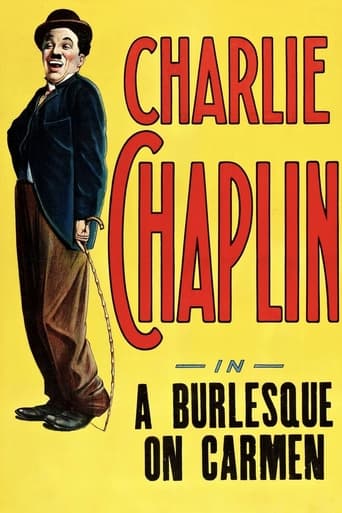
A Burlesque on Carmen
1915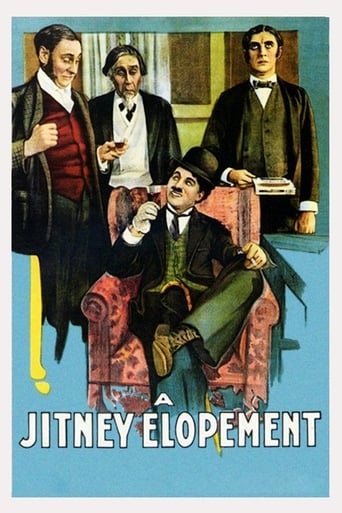
A Jitney Elopement
1915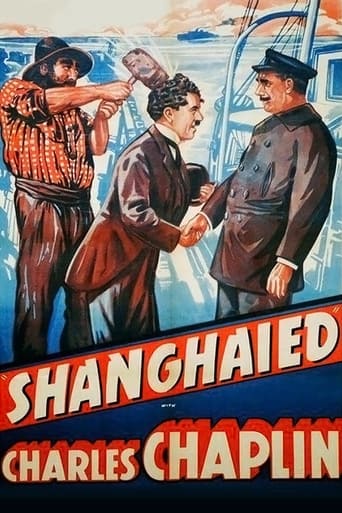
Shanghaied
1915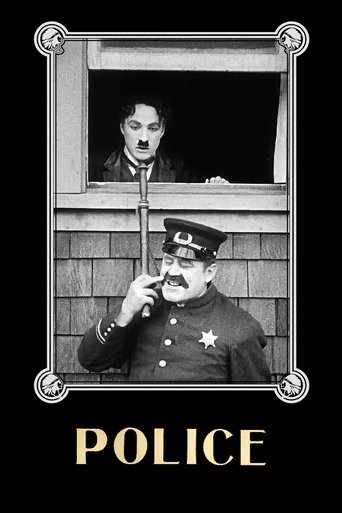
Police
1916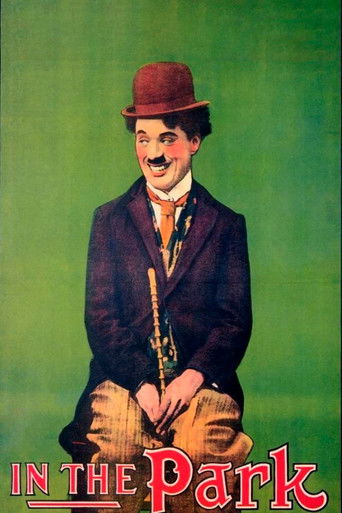
In the Park
1915
Triple Trouble
1918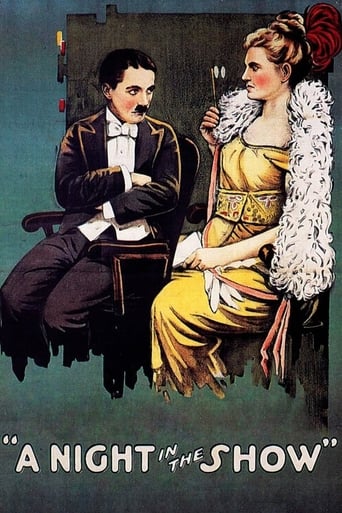
A Night in the Show
1915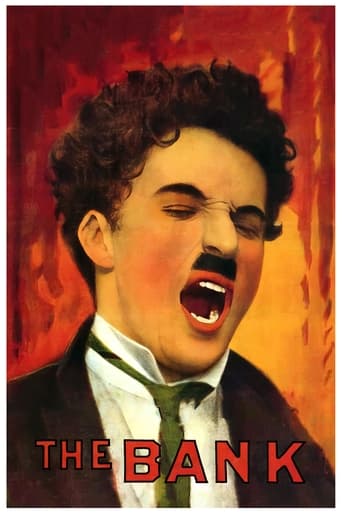
The Bank
1915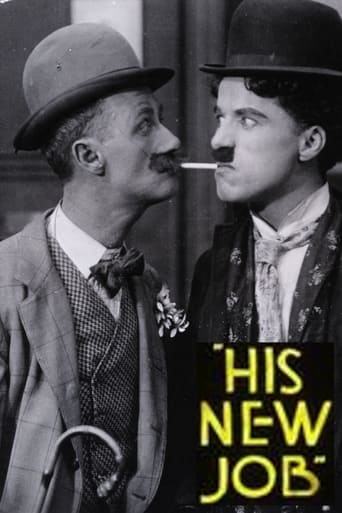
His New Job
1915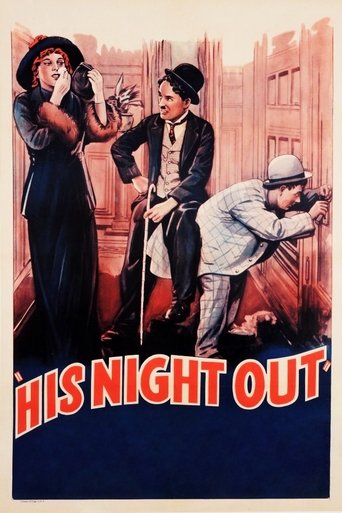
A Night Out
1915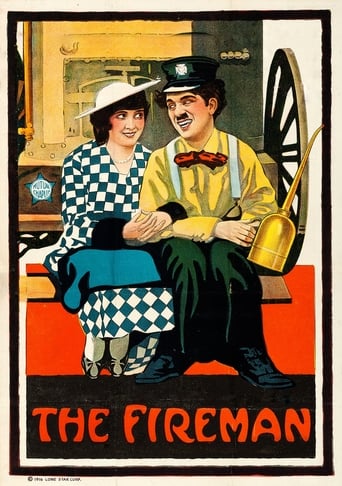
The Fireman
1916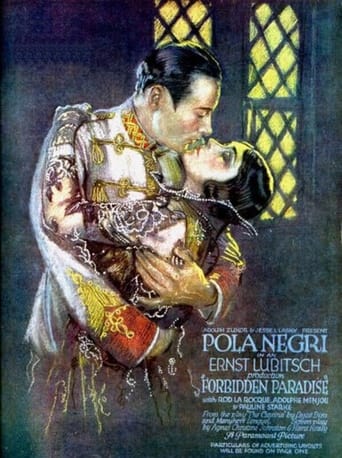
Forbidden Paradise
1924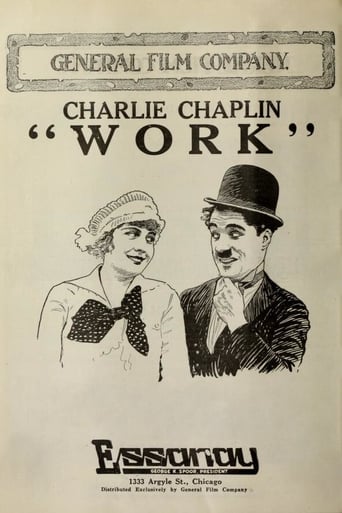
Work
1915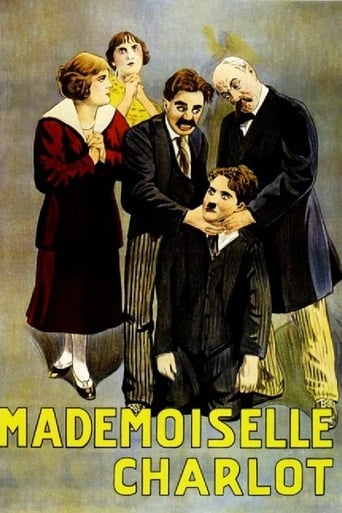
A Woman
1915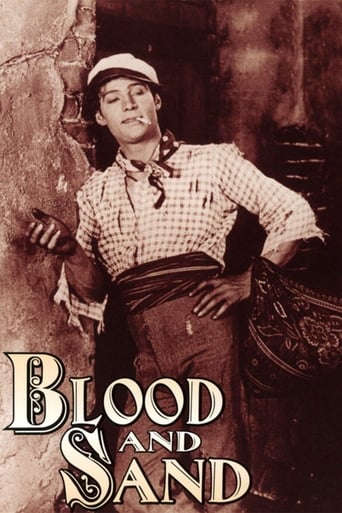
Blood and Sand
1922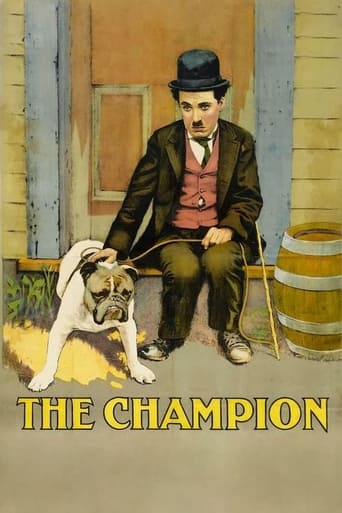
The Champion
1915
The Candy Kid
1917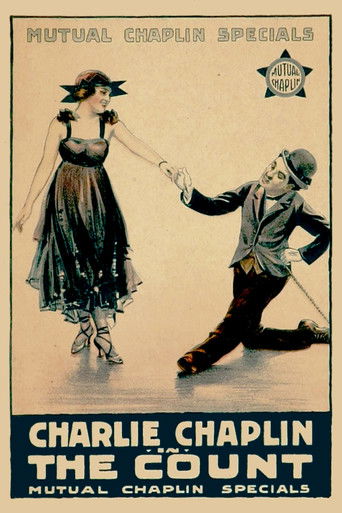
The Count
1916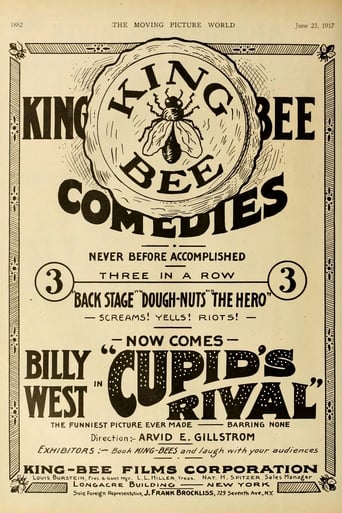
Cupid's Rival
1917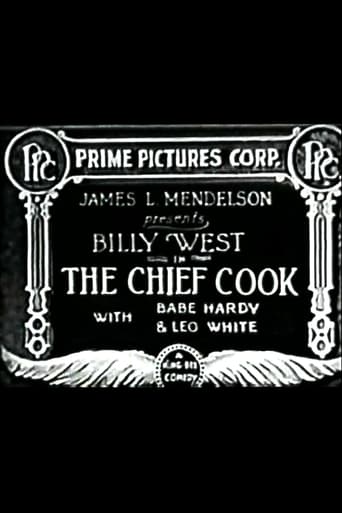
The Chief Cook
1917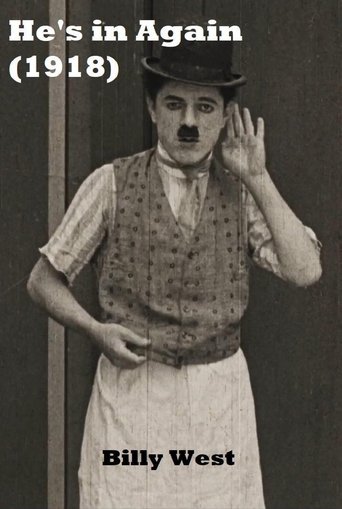
He's In Again
1918
Married to Order
1920
The Hobo
1917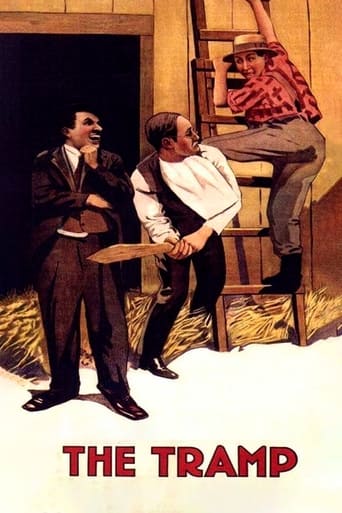
The Tramp
1915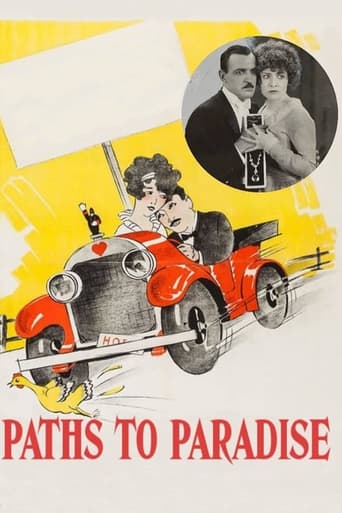
Paths to Paradise
1925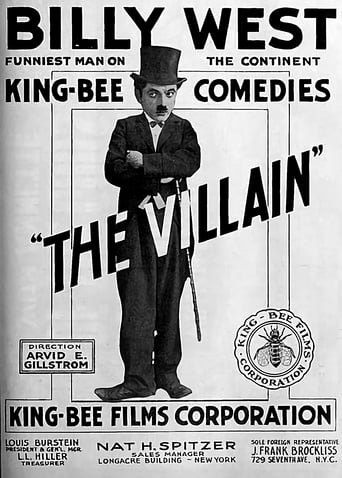
The Villain
1917
The Stranger
1918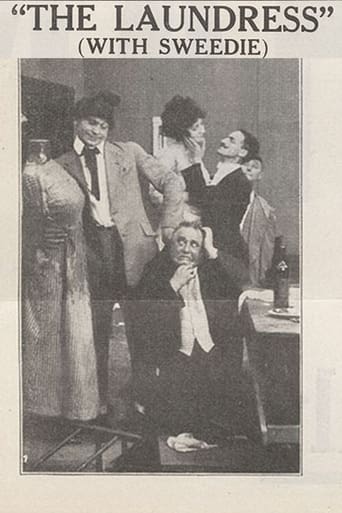
The Laundress
1914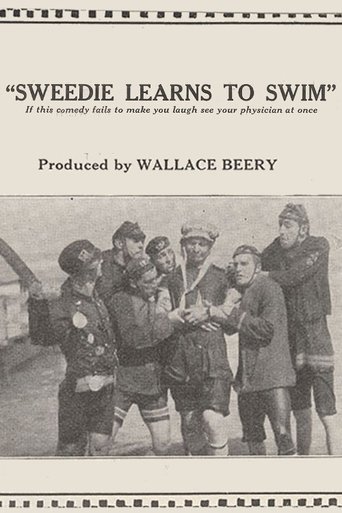
Sweedie Learns to Swim
1914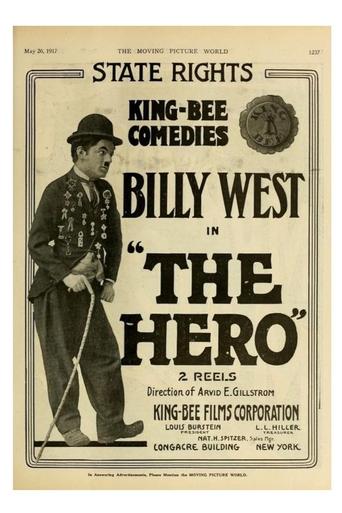
The Hero
1917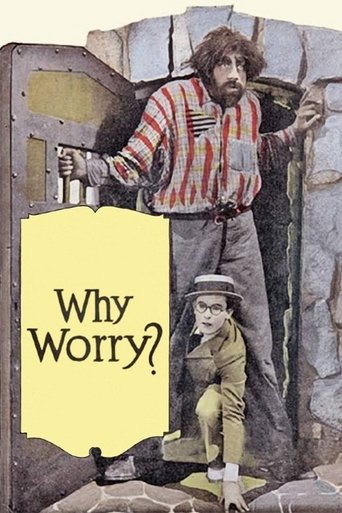
Why Worry?
1923About Leo White
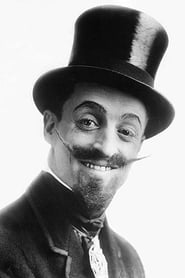
Prolific character actor of the silent film era, best known for his frequent collaborations with Charlie Chaplin during the Essanay period. Born in Germany, White began his acting career on the stage before transitioning to films in the early 1910s. He became a familiar face in Chaplin's short comedies from 1915, often playing aristocratic villains, pompous officials, or comic foils to Chaplin's Tramp character. White's distinctive appearance, complete with a waxed mustache and formal attire, made him instantly recognizable to audiences of the era. Beyond his work with Chaplin, he appeared in numerous other silent films for various studios, including Mack Sennett's Keystone and later worked as a director and writer. His the entire silent period and extended briefly into the early sound era before his retirement from acting. White's contributions to early comedy cinema, particularly his role in establishing the dynamic between Chaplin's Tramp and various antagonists, helped shape the language of silent comedy.
The Craft
On Screen
White specialized in playing pompous, aristocratic characters with comic exaggeration. His style was rooted in European theatrical traditions, featuring broad gestures, facial expressions, and a distinctive physical presence. He often portrayed villains or authority figures who would inevitably be thwarted by the protagonist, particularly in his Chaplin collaborations. His acting technique emphasized contrast - his stiff, formal mannerisms provided the perfect foil to Chaplin's fluid, improvisational style.
Milestones
- Regular supporting actor in Charlie Chaplin's Essanay comedies (1915)
- Directed and starred in his own series of comedy shorts for Fox (1917-1918)
- Appeared in over 200 films during his career
- Transitioned successfully from European stage to American cinema
- Worked as both character actor and director during the silent era
Best Known For
Iconic Roles
Must-See Films
Accolades
Special Recognition
- Contributor to early American cinema history
Working Relationships
Worked Often With
Studios
Why They Matter
Impact on Culture
Leo White played a crucial role in establishing the archetype of the comic antagonist in silent film comedy. His work with Charlie Chaplin helped create the dynamic between the lovable Tramp and the various obstacles he encountered, a formula that would influence comedy filmmaking for decades. White's ability to portray authority figures with both menace and comic ineptitude set a standard for character actors in comedy. His contributions to the golden age of silent comedy, while often overshadowed by the stars he supported, were integral to the success of many classic Chaplin shorts that continue to be studied and celebrated today.
Lasting Legacy
Leo White's legacy lives on through his extensive body of work in early American cinema, particularly his collaborations with Charlie Chaplin. As. Film historians and silent cinema enthusiasts continue to study his performances as examples of the skilled character work that elevated silent comedy beyond simple slapstick. His films remain valuable artifacts of early 20th century American culture and the evolution of cinematic comedy.
Who They Inspired
White influenced subsequent generations of character actors through his ability to create memorable antagonists who were both threatening and comically inept. His work demonstrated the importance of the straight man/comic foil dynamic in comedy, influencing how comedy films would structure character relationships. His transition from European theater to American cinema also paved the way for other European actors to find success in Hollywood during the silent era.
Off Screen
Leo White emigrated from Germany to the United States in the early 1900s, bringing with him a background in European theater. He married actress and fellow Chaplin collaborator Edna Purviance's sister, Bessie Purviance, though the marriage ended in divorce. White was known in Hollywood circles as a reliable professional actor who could deliver consistent performances across various genres. He lived primarily in Los Angeles during his film career and remained active in the industry even as his on-screen appearances diminished in the sound era.
Education
Trained in European theater schools before emigrating to the United States
Family
- Bessie Purviance (1915-1920)
Did You Know?
- Born Leo Weiss, he anglicized his name to Leo White for his film career
- Appeared in 11 of Chaplin's 12 Essanay shorts in 1915
- Often played characters with French or German accents, playing on his European background
- Directed over 20 comedy shorts for Fox between 1917-1918
- Was one of the few actors who could consistently upstage Chaplin without overshadowing him
- His distinctive mustache became one of his trademarks in silent comedy
- Worked as both actor and director simultaneously during the peak of his career
- Made a brief appearance in the early sound era before retiring from acting
- Was known for his professionalism and reliability on set
- His character roles often represented the establishment or upper class that Chaplin's Tramp would rebel against
In Their Own Words
In silent films, the eyes must do what the voice cannot. A villain must show his evil through a glance, not through words.
Working with Chaplin was both challenging and rewarding. He demanded the best from everyone, but the results were always worth it.
The secret to playing a good comic villain is to be completely serious about your evil intentions. The comedy comes from the audience knowing you'll fail.
Frequently Asked Questions
Who was Leo White?
German-American character with credits in this catalog. He specialized in playing aristocratic villains and pompous authority figures, often serving as the perfect foil to Chaplin's Tramp character.
What films is Leo White best known for?
Titles linked here include A Burlesque on Carmen (1915), A Jitney Elopement (1915).
When was Leo White born and when did he die?
Born November 10, 1882; died September 20, 1948.
What awards did Leo White win?
While Leo White did not receive major formal awards during his career, he is recognized by film historians as an important contributor to early American comedy cinema and his work with Charlie Chaplin is considered historically significant.
What was Leo White's acting style?
White's acting style was characterized by theatrical exaggeration rooted in his European stage training. He specialized in playing stiff, formal characters with comic pomposity, using broad gestures and facial expressions to create memorable antagonists in silent comedies.
Did Leo White work with anyone other than Charlie Chaplin?
Yes, White worked extensively throughout the silent film era with various studios including Keystone, Fox Film Corporation, and Mack Sennett. He also directed his own series of comedy shorts and appeared in numerous films outside of his Chaplin collaborations.
What was Leo White's contribution to silent comedy?
White helped establish the archetype of the comic antagonist in silent film, creating memorable villains that provided both conflict and humor. His work demonstrated the importance of skilled character actors in supporting comedy stars and helped shape the language of silent comedy.
Is there any connection between Leo White and other famous silent comedians?
Beyond his extensive work with Chaplin, White also worked with other comedy greats of the era including Ben Turpin and Mack Swain. His active years covered the golden age of silent comedy, allowing him to work with many of the era's most famous performers.