
He's In Again
"Tramp trades jail for cabaret work"
Keys: Space play/pause · ←/→ 10s · F fullscreen · M mute · </> speed
About this film
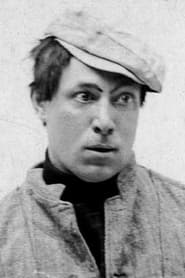
A tramp enters a cabaret and orders a drink, but then is thrown out when he cannot pay for it. After trying again, he is told by the manager that if he wants to avoid being charged and sent to jail, he will have to work.
Cast & crew
More films like this

More Comedy films
View all →







More from Charley Chase
View all →

More about this film
About the production
Release dateMarch 1918
ProductionKing Bee Studios
Filmed inLos Angeles, California
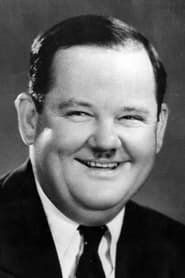
This was one of many comedy shorts produced by King Bee Studios during the silent era, featuring Billy West as a Charlie Chaplin-esque character. The film was shot quickly on a modest budget typical of two-reel comedies of the period. Oliver Hardy, who would later achieve worldwide fame as half of Laurel and Hardy, appears here in a supporting role before his partnership with Stan Laurel was formed. The cabaret set was likely a reused studio set, common practice during this era of rapid film production.
Themes
Class conflictIdentity and social mobilityComedy of errorsAuthority versus rebellionWork and compensation
Themes & topics
Historical background
Exhibitors in 1918 booked He's In Again through King Bee Studios as part of the era's steady flow of new releases.
Why this film matters
Archivists note that He's In Again preserves period framing of a tramp enters a cabaret and orders a drink, but then is thrown out when he cannot pay for for modern comparison.
Making of
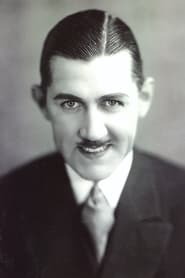
The production of 'He's In Again' was typical of the rapid-fire comedy short industry of the late 1910s, where films were often shot in just a few days. Director Charley Chase, who was establishing himself as a reliable comedy director, brought his experience as a performer to the filming process. Billy West, the star, was under contract to produce multiple shorts for King Bee Studios, and this film was part of his quota. Oliver Hardy, still building his career, was likely cast for his imposing physical presence and ability to play authority figures. The cabaret setting allowed for elaborate visual gags and physical comedy, which were the staples of silent comedy. The film's pacing and gag structure follow the established formula of the era, with escalating comedy sequences culminating in a chaotic resolution. The production would have utilized natural lighting or basic studio lighting techniques, as sophisticated cinematography was not the focus of comedy shorts of this period.
What critics said
Trade coverage around 1918 treated He's In Again as routine program material rather than a special event.
Did you know?
- This film features Oliver Hardy three years before his partnership with Stan Laurel began in 1921
- Billy West was especially successful Charlie Chaplin imitators of the silent era, often mimicking Chaplin's Tramp character
- Director Charley Chase was also a popular comedy actor who would later work for Hal Roach Studios
- The film was produced during World War I, when comedy films provided escapist entertainment for war-weary audiences
- King Bee Studios was a short-lived production company that specialized in comedy shorts from 1917-1919
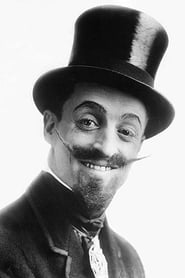
- Leo White, who appears in the film, was a German-born actor who often played villainous or aristocratic characters in comedies
- The cabaret setting was popular in silent comedies as it allowed for visual gags involving high-class versus low-class characters
- This film is part of a series of Billy West shorts produced by King Bee Studios
- The title 'He's In Again' refers to the protagonist's repeated attempts to gain entry to the establishment
- Silent films of this era typically used live musical accompaniment during theatrical screenings
Visual style
The cinematography in 'He's In Again' follows the standard practices of silent comedy shorts of the late 1910s. The camera work is functional rather than artistic, focusing primarily on capturing the physical comedy and ensuring that all gags are clearly visible to the audience. The film likely used static camera positions for most scenes, with some basic pans to follow action. The lighting would have been basic studio lighting designed to adequately illuminate the performers and sets. The cabaret setting allowed for some interesting visual compositions with multiple characters in frame, creating opportunities for background gags and layered comedy. The cinematography prioritizes clarity of action over artistic innovation, which was typical for comedy shorts of this period where the humor was the main focus.
Innovations
The film does not feature any significant technical achievements, as it was produced using standard techniques of the period. The production would have utilized the basic camera and lighting equipment available in 1918. The film was likely shot on 35mm film stock, which was the industry standard. The editing would have been straightforward, focusing on clear presentation of gags rather than innovative techniques. The film's technical aspects were functional rather than groundbreaking, which was typical for comedy shorts of this era where entertainment value was prioritized over technical innovation. The film represents the standard technical capabilities of American film production in the late 1910s.
Music
As a silent film, 'He's In Again' would have been accompanied by live music during its original theatrical screenings. The specific musical score would have varied by theater, ranging from solo piano accompaniment in smaller venues to full orchestral arrangements in larger cinemas. The music would have been selected to match the on-screen action, with upbeat, comical pieces during the slapstick sequences and more dramatic music during moments of tension. Some theaters might have used cue sheets provided by the studio, while others would have relied on the musical director's discretion. The cabaret setting would have allowed for diegetic music scenes where characters could be shown dancing or performing to on-screen musicians. No original soundtrack recordings exist for this film, as was standard for silent productions.
Memorable scenes
- The tramp's repeated attempts to enter the cabaret, each resulting in increasingly creative ejections by the staff
- The manager's ultimatum scene where the tramp must choose between jail and work
- The chaotic work sequences where the tramp attempts various jobs while creating havoc throughout the establishment
What audiences thought
Audience reception in 1918 would have been based on the film's ability to provide laughs and entertainment during a brief theater interlude. Comedy shorts were popular programming elements that accompanied feature films, and audiences expected rapid-fire gags and physical comedy. Billy West's Chaplin-esque character would have been familiar to audiences of the time, though likely seen as an imitation rather than original. The film's themes of class conflict and the little guy versus authority figures would have resonated with working-class audiences of the period. Modern audience reception is limited due to the film's relative obscurity and availability, though silent film enthusiasts might appreciate it as an example of typical comedy short production of the era.
Film connections
Influenced by
- Charlie Chaplin's Tramp character films
- Mack Sennett comedy shorts
- Early Hal Roach comedies
This film influenced
- Later cabaret and nightclub comedy films
- Class-based comedy shorts of the 1920s
Film restoration
The preservation status of 'He's In Again' is unclear, as many silent shorts from this period have been lost or exist only in incomplete copies. Some King Bee Studios productions have survived through archives and private collections, but comprehensive records are not available. The film may exist in film archives or as part of silent film collections, but it is not widely accessible to the public. Like many silent shorts, it may exist only in fragmented form or as a single surviving print.
Where to watch
- The film is not currently available on major streaming platforms
- May be accessible through specialized silent film archives or collections
- Potentially available through film preservation organizations or silent film societies
- Might be included in compilations of Billy West or Oliver Hardy early works if such collections exist