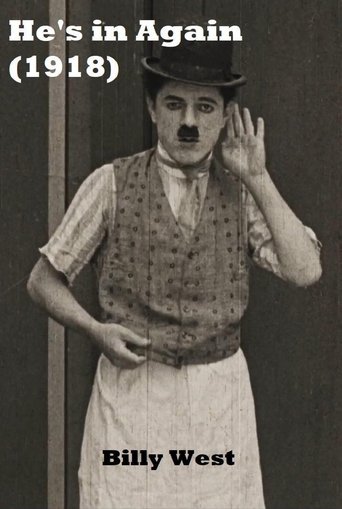
Films
4 films
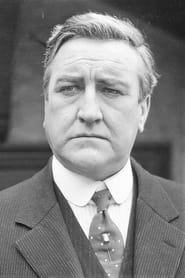
About Stanton Heck
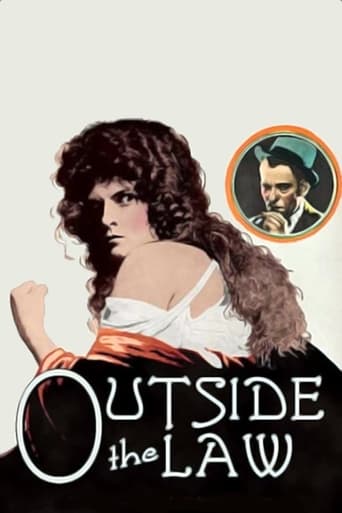
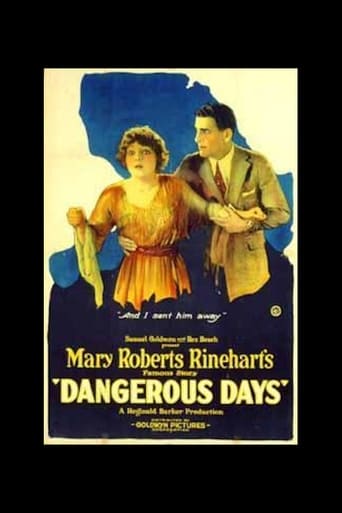
American character actor who worked during the silent film era, primarily in the late 1910s and early 1920s. Stanton appears in numerous films between 1918 and 1925, often playing supporting roles that required his distinctive presence and character acting abilities. His filmography includes appearances in notable silent productions such as 'Outside the Law' (1920), which was directed by Tod Browning, and 'Dangerous Days' (1920), a drama starring Rudolph Valentino. Heck demonstrated versatility across various genres, from crime dramas to mystery films, as evidenced by his work in 'The Mystic' (1925). While he never achieved leading man status, he became a reliable supporting player during Hollywood's transitional period from short films to feature-length productions. His career coincided with the golden age of silent cinema, though his work was largely overshadowed by the era's bigger stars. Like many character actors of his time, his career effectively ended with the transition to sound films in the late 1920s.
The Craft
On Screen
Stanton Heck employed the classic silent film acting style characterized by exaggerated facial expressions and body language to convey emotion without dialogue. As a character actor, he likely specialized in creating memorable supporting characters through physical presence and expressive gestures, typical of the period's acting techniques that emphasized visual storytelling.
Milestones
- Appeared in Tod Browning's 'Outside the Law' (1920)
- Worked during the peak of silent cinema era
- Supporting role in 'Dangerous Days' (1920) featuring Rudolph Valentino
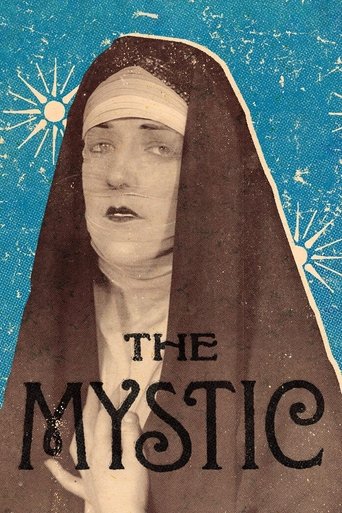
- Character role in mystery film 'The Mystic' (1925)
- Consistent work as a supporting actor throughout the silent era
Best Known For
Iconic Roles
Must-See Films
Working Relationships
Worked Often With
Studios
Why They Matter
Impact on Culture
Stanton Heck represents the countless character actors who formed the backbone of silent cinema, providing essential support to leading stars and helping to create the Hollywood's golden age. While not a household name, his contributions to films like 'Outside the Law' helped establish the visual language of American cinema during its formative years. His work exemplifies the collaborative nature of film production during the silent era, where every actor, regardless of billing, played a crucial role in storytelling.
Lasting Legacy
Stanton Heck's legacy is preserved through his surviving film performances, which serve as valuable historical documents of silent era acting techniques and film production. His appearances in notable films alongside legendary figures like Tod Browning and Rudolph Valentino ensure his place in cinema history, however small. He represents the thousands of working actors who contributed to Hollywood's rise as the global center of film production during the 1920s.
Who They Inspired
As a supporting actor during the silent era, Stanton Heck's direct influence on subsequent generations of performers is difficult to trace, which is typical of character actors from this period. However, his work contributed to the development of ensemble acting techniques and helped establish the importance of strong supporting performances in narrative filmmaking.
Off Screen
Very little is documented about Stanton Heck's personal life, which was common for supporting actors of the silent era who did not achieve major stardom. Like many character actors of his time, he likely lived a relatively private life away from the spotlight that major stars enjoyed.
Did You Know?
- His active years covered exactly seven years during the peak of the silent film era
- He worked with director Tod Browning on 'Outside the Law' before Browning became famous for 'Dracula' (1931)
- Appeared in 'Dangerous Days' the same year Rudolph Valentino became a superstar with 'The Four Horsemen of the Apocalypse'
- His film 'He's In Again' (1918) was released during the final year of World War I
- His last known film appearance was in 1925, just before the transition to sound films began
- Like many silent era actors, his career effectively ended with the advent of talkies
- He worked during a transformative period when Hollywood was establishing itself as the global film capital
Frequently Asked Questions
Who was Stanton Heck?
American character with credits in this catalog.
What films is Stanton Heck best known for?
Titles linked here include Outside the Law (1920), Dangerous Days (1920).
When was Stanton Heck born and when did he die?
Exact birth and death dates for Stanton Heck are not well-documented in historical records, which is common for supporting actors from the silent era who did not achieve major stardom.
What awards did Stanton Heck win?
There are no documented awards or nominations for Stanton Heck, which was typical for character actors of his era during the early days of Hollywood when formal award ceremonies were not yet established.
What was Stanton Heck's acting style?
Stanton Heck employed the classic silent film acting style using exaggerated facial expressions and body language to convey emotions, typical of character actors who needed to communicate effectively without dialogue.
Why did Stanton Heck's career end in 1925?
His career ended around 1925, likely due to the transition from silent films to talkies in the late 1920s, a period when many silent era actors struggled to adapt to sound films.
Did Stanton Heck work with any famous directors or actors?
Yes, he worked with director Tod Browning on 'Outside the Law' and appeared in films alongside rising stars like Rudolph Valentino during the early stages of their careers.