
Outside the Law
"San Francisco gangsters frame a reformed crime boss and his daughter."
Keys: Space play/pause · ←/→ 10s · F fullscreen · M mute · </> speed
About this film
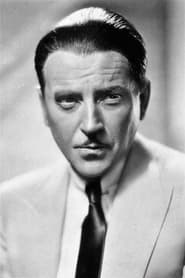
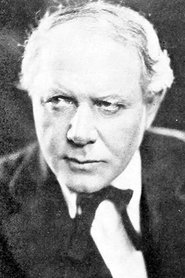
Crime boss Silent Madden Molly have left the criminal underworld of San Francisco thanks to the wise teachings of Chang Low, a Confucian master. But the evil Black Mike Sylva is determined to frame Madden to avenge a mistake from the past…
Cast & crew
More films like this
More Crime films
View all →

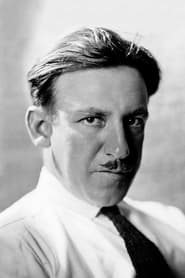
More from Tod Browning
View all →
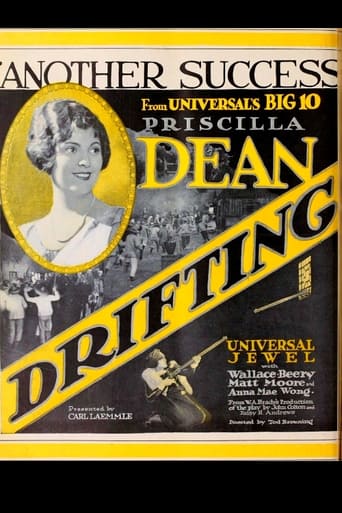


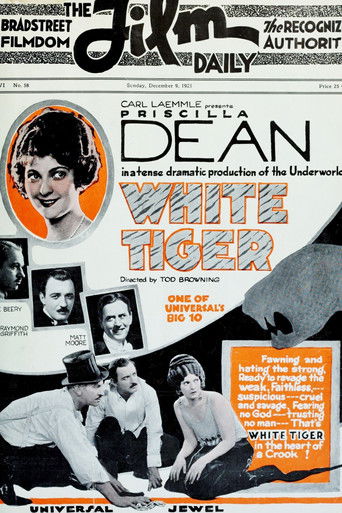

More about this film
About the production
Release dateDecember 5, 1920
Box officeThe film was highly successful, reportedly earning over $500,000 at the box office, making it one of Universal's biggest hits of 1920
ProductionUniversal Film Manufacturing Company
Filmed inUniversal Studios, Universal City, California, San Francisco, California (for location shots)
This film marked a significant collaboration between Tod Browning and Lon Chaney, establishing their working relationship that would lead to many more successful films together. The production featured elaborate Chinatown sets that were praised for their authenticity. The film was shot quickly in a matter of weeks, typical of Universal's efficient production system at the time. Browning's experience with carnival shows and understanding of criminal underworld elements contributed to the film's realistic atmosphere.
Themes
Redemption and second chancesThe conflict between past and present moralityFather-daughter relationshipsJustice versus revengeThe corrupting influence of greed
Themes & topics
Historical background
By 1920, distribution networks were widening, and Outside the Law reached viewers through the same short-program bills that mixed comedy, news, and spectacle.
Why this film matters
Later homages and restorations keep Outside the Law circulating among silent- and classic-film communities long after its first run.
Making of
The production of 'Outside the Law' was marked by Tod Browning's meticulous attention to detail in creating the Chinatown atmosphere. Browning, who had spent time in actual Chinatowns and knew people involved in criminal activities, insisted on authentic set designs and costumes. Lon Chaney's transformation into Chang Low was a daily ordeal that began at 4 AM, with the actor spending hours in the makeup chair. Chaney studied Chinese mannerisms and philosophy to prepare for the role, even consulting with Chinese community members in Los Angeles. The film's success surprised Universal executives, who had initially considered it just another routine crime picture. The chemistry between Priscilla Dean and Wheeler Oakman was so strong that Universal paired them in several subsequent films. Browning's direction style emphasized shadow and light, creating a noir-like atmosphere years before film noir became recognized as a genre. The production faced some controversy from Chinese-American groups who protested the casting of Chaney in an Asian role, though this was common practice at the time.
What critics said
Press clipping files from 1920 rarely give Outside the Law headline space; mentions appear in roundup columns listing what played that week.
Did you know?
- This was the first of eleven films that Tod Browning and Lon Chaney would make together at Universal between 1920 and 1925
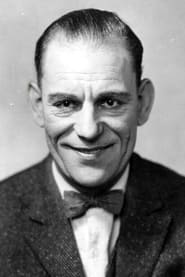
- Lon Chaney played dual roles in this film - both the villain Black Mike Sylva and the benevolent Chang Low, showcasing his remarkable transformation abilities
- The film was so successful that it led to a 1921 sequel called 'The Wise Guy' directed by John Francis Dillon, also starring Priscilla Dean
- Priscilla Dean was Universal's biggest female star at the time, known for her roles in crime dramas and 'underworld' pictures
- The film's success helped establish Universal as a major player in the crime drama genre during the silent era
- Chaney's makeup for Chang Low took hours to apply each day and involved extensive prosthetics to create the Asian character appearance
- The film was considered quite daring for its time due to its depiction of criminal life and the moral ambiguity of some characters
- A young director named James Flood worked as an assistant on this film, learning from Browning's techniques
- The diamond heist sequence was praised by contemporary critics for its suspense and innovative camera work
- This film was one of the first to explore the redemption arc of former criminals, a theme that would become common in later gangster films
Awards & recognition
- No major awards were given for this film in 1920, as the first Academy Awards ceremony would not occur until 1929
Visual style
The cinematography by William H. Scarborough and Virgil Miller was notable for its innovative use of shadow and light to create atmosphere. The film employed dramatic lighting techniques that prefigured the film noir style of the 1940s, particularly in the Chinatown scenes where deep shadows created a sense of mystery and danger. The camera work included dynamic tracking shots during the chase sequences and carefully composed close-ups that emphasized the emotional intensity of key scenes. The cinematographers made effective use of the studio's Chinatown sets, creating depth and texture through strategic lighting and camera angles. The diamond heist sequence featured innovative camera movements and editing techniques that heightened the tension. The visual contrast between the dark criminal underworld and the more brightly lit scenes of redemption reinforced the film's moral themes. The photography also captured the period's urban atmosphere, with several location shots in San Francisco adding authenticity to the production.
Innovations
The film featured several technical innovations for its time, particularly in its use of makeup effects for Lon Chaney's dual role transformation. The makeup department, likely supervised by Chaney himself, created prosthetics that were remarkably convincing for 1920 standards. The film employed sophisticated editing techniques, particularly in the cross-cutting between different storylines during the climactic sequences. The production utilized some of Universal's newest camera equipment, allowing for more mobile cinematography than was typical in earlier films. The lighting setups for the shadow sequences were particularly advanced, using multiple light sources to create depth and atmosphere. The film's special effects, while modest by modern standards, included some clever matte work for the San Francisco location shots. The soundstage construction for the Chinatown sets was praised for its authenticity and attention to detail. The film also demonstrated advances in continuity editing, maintaining narrative coherence across its seven reels.
Music
As a silent film, 'Outside the Law' was originally accompanied by live musical performances in theaters. The typical score would have been compiled from classical pieces and popular songs of the era, with theater organists or small orchestras providing accompaniment. Universal likely distributed cue sheets with suggested musical selections for different scenes. The dramatic moments would have been accompanied by tense, minor-key compositions, while romantic scenes featured lighter, more melodic pieces. The Chinatown sequences probably used stereotypical 'oriental' motifs common in film music of the period. Some theaters may have used the film's theme song if one was published, as was common practice for major releases. Modern screenings of the film typically feature newly composed scores or carefully compiled period-appropriate music. The lack of synchronized sound allowed theaters flexibility in their musical presentations, with some venues employing full orchestras while others used a single organist.
Famous quotes
The path of wisdom is narrow, but it leads to peace" - Chang Low
Once you leave the law, you can never go back" - Silent Madden
Vengeance is a dish best served cold" - Black Mike Sylva
A daughter's love is stronger than any criminal bond" - Molly Madden
In Chinatown, even shadows have secrets" - Opening intertitle
The past is a ghost that haunts every criminal" - Chang Low
Memorable scenes
- The dramatic transformation sequence where Lon Chaney changes from Chang Low to Black Mike Sylva, showcasing his remarkable makeup skills and acting range
- The tense diamond heist scene where Molly infiltrates the criminal operation, featuring innovative camera work and suspenseful editing
- The climactic confrontation in Chinatown where all the main characters' paths converge, featuring dramatic lighting and emotional performances
- The opening sequence establishing the moral conflict between the criminal underworld and the path of righteousness
- The emotional father-daughter scene where Molly promises to save her father, demonstrating Priscilla Dean's dramatic range
What audiences thought
The film was enormously popular with audiences upon its release in December 1920. It played to packed houses in major cities across America and was held over in many theaters due to popular demand. Audience members particularly responded to the suspenseful diamond heist sequence and the dramatic confrontation scenes. The chemistry between Priscilla Dean and Wheeler Oakman was a major draw, with many fans writing to Universal requesting more films featuring the pair. Lon Chaney's performance generated significant buzz, with newspapers marveling at his ability to play two completely different characters in the same film. The film's success at the box office helped establish Universal as a serious competitor to larger studios like Paramount and MGM. Contemporary audience letters preserved in studio archives indicate that viewers found the story both exciting and morally satisfying, particularly appreciating the redemption themes. The film's popularity led to increased demand for crime dramas and underworld pictures throughout the early 1920s.
Film connections
Influenced by
- D.W. Griffith's narrative techniques
- German Expressionist cinema's use of shadow
- Contemporary crime fiction and newspaper accounts of real criminal cases
- Previous Universal crime dramas
- Stage melodramas of the era
- Contemporary yellow peril literature
- Chinese philosophy and Confucian teachings as understood by Western audiences
This film influenced
- The Unholy Three (1925)
- The Blackbird (1926)
- London After Midnight (1927)
- The Criminal Code (1931)
- Scarface (1932)
- The Maltese Falcon (1931)
- Film noir of the 1940s and 1950s
- Modern crime dramas featuring redemption arcs
Film restoration
The film is preserved in the archives of the Universal Studios and the Library of Congress. A complete 35mm print exists and has been restored by Universal. The restoration was completed in the early 2000s as part of Universal's silent film preservation project. The film is also available on DVD through the Kino Lorber collection, featuring a newly commissioned musical score. While some minor deterioration is visible in certain scenes, the overall print quality is excellent for a film of its age. The preservation status makes this one of the better-preserved examples of Tod Browning's early work.
Where to watch
- Available on DVD from Kino Lorber Classics
- Streaming on The Criterion Channel (occasionally featured in silent film retrospectives)
- Available for digital purchase on Amazon Prime Video
- Can be found on some classic film streaming services
- Screened occasionally at film festivals and cinematheques specializing in silent cinema
- Available through some university film archives and libraries