
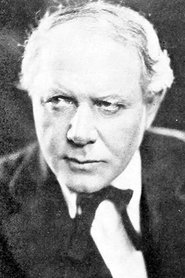
Ralph Lewis
Actor
Born: October 8, 1872 in Englewood, Illinois, USA Died: December 4, 1937 Active: 1912-1937 Birth Name: Ralph Percy Lewis
Films
16 films
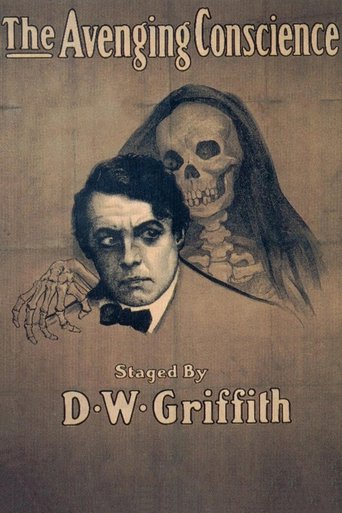
The Avenging Conscience
1914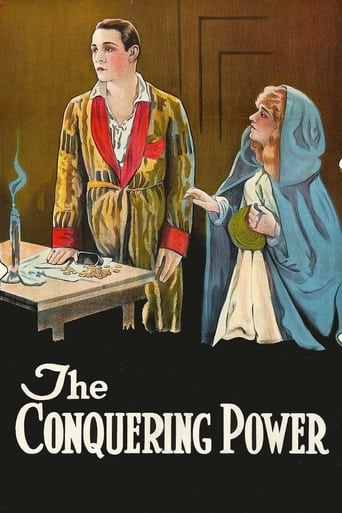
The Conquering Power
1921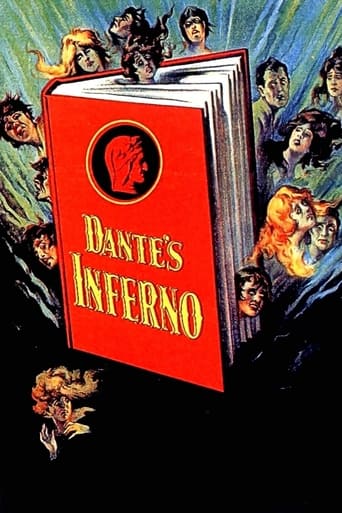
Dante's Inferno
1924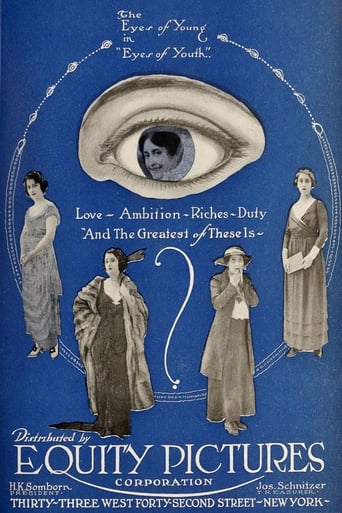
Eyes of Youth
1919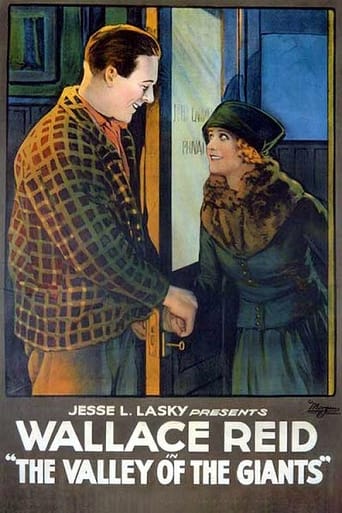
The Valley of the Giants
1919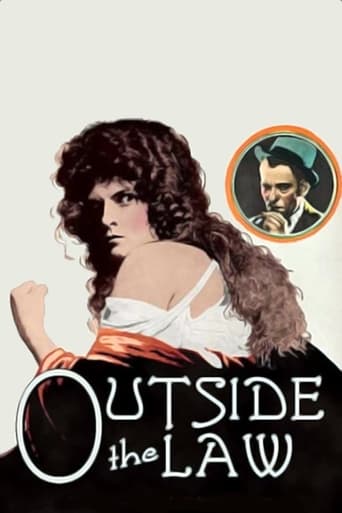
Outside the Law
1920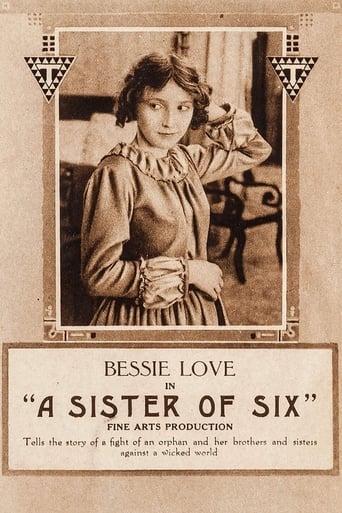
A Sister of Six
1916
Flesh and Blood
1922
When the Clouds Roll By
1919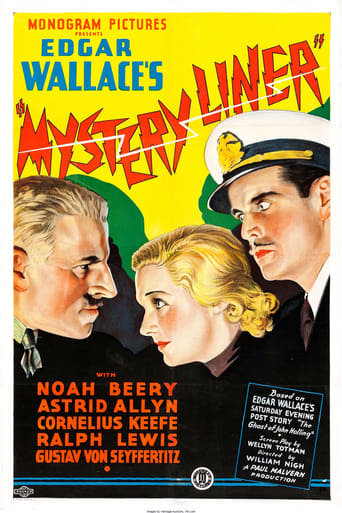
Mystery Liner
1934
The Last Edition
1925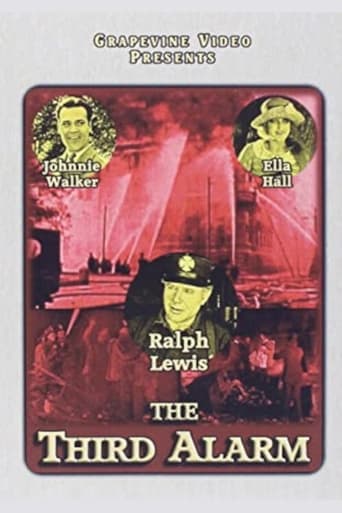
The Third Alarm
1922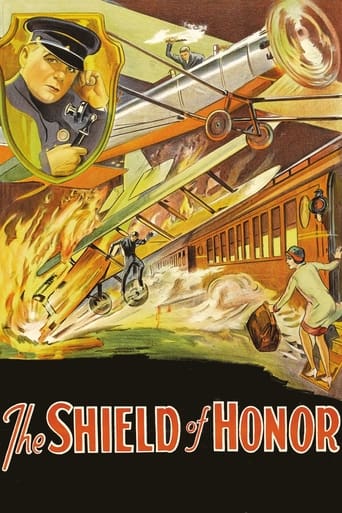
The Shield of Honor
1927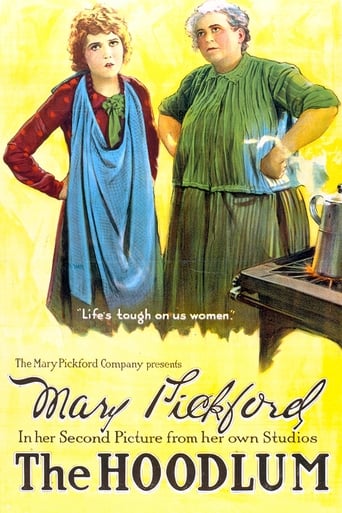
The Hoodlum
1919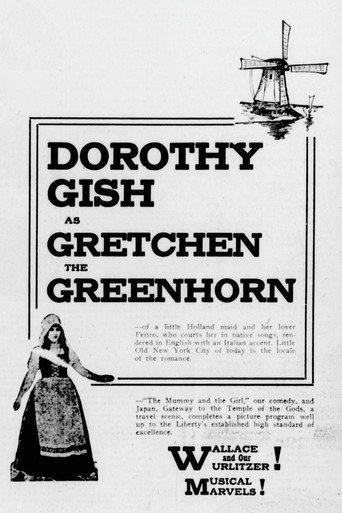
Gretchen the Greenhorn
1916About Ralph Lewis
Ralph Percy Lewis — American character actor who became an integral part of D.W. Griffith's stock company during the silent film era. Born in Illinois in 1872, Lewis began his film career in 1912 and quickly established himself as a versatile performer capable of portraying both sympathetic and villainous characters with equal skill. Ralph appears in over 200 films throughout his career, becoming particularly known for his portrayals of authority figures, clergymen, and stern patriarchs. Lewis's most significant contributions came through his collaborations with Griffith, where he played memorable roles in films including 'The Birth of a Nation' (1915), 'Intolerance' (1916), and 'Broken Blossoms' (1919). His commanding screen presence and ability to convey complex emotions through subtle gestures made him a valuable asset during the transition from silent films to talkies. Lewis continued acting until his death in 1937, leaving behind a legacy as reliable character actors of early American cinema. His frequent collaborations with his wife, actress Vera Lewis, also made them one of the notable acting couples of their era.
The Craft
On Screen
Lewis was known for his naturalistic yet expressive acting style that was perfectly suited to the silent film era. He possessed a commanding presence that allowed him to dominate scenes without overpowering his co-stars, using subtle facial expressions and controlled gestures to convey complex emotions. His ability to portray both sympathetic and villainous characters with equal authenticity made him particularly valuable to directors seeking versatile character actors. Lewis specialized in playing authority figures and patriarchs, bringing depth and nuance to roles that could easily have become one-dimensional. His transition to sound films was successful due to his clear diction and theatrical background, allowing him to adapt his expressive silent technique to the new medium.
Milestones
- Became a member of D.W. Griffith's stock company
- Appeared in 'The Birth of a Nation' (1915) as the Cameron family doctor
- Played multiple roles in Griffith's 'Intolerance' (1916)
- Starred in 'Broken Blossoms' (1919) as Battling Burrows
- Appeared in over 200 films during his 25-year career
- Successfully transitioned from silent films to talkies
- Frequently collaborated with his wife Vera Lewis in films
Best Known For
Iconic Roles
Must-See Films
Accolades
Special Recognition
- Member of D.W. Griffith's elite stock company
- Recognized as
Working Relationships
Worked Often With
Studios
Why They Matter
Impact on Culture
Ralph Lewis played a significant role in shaping the language of American cinema during its formative years. As a key member of D.W. Griffith's stock company, he contributed to some of the most influential and controversial films in cinema history, including 'The Birth of a Nation' and 'Intolerance'. His performances helped establish the archetype of the American character actor, demonstrating the importance of supporting roles in creating compelling narratives. Lewis's ability to embody both virtue and villainy with equal conviction influenced subsequent generations of character actors who sought to bring depth to supporting roles. His work in Griffith's epic films contributed to the development of cinematic techniques and storytelling methods that would become standard in the industry.
Lasting Legacy
Ralph Lewis's legacy endures through his extensive body of work that spans the most crucial period of early American cinema. His performances in Griffith's masterpieces continue to be studied by film scholars and historians as examples of exemplary silent film acting. Lewis represents the archetype of the reliable, versatile character actor who could elevate any production through his presence and skill. His successful transition from silent films to talkies demonstrated the adaptability required for longevity in the film industry. As part of Griffith's stock company, he helped create the foundation for the studio system that would dominate Hollywood for decades. His filmography serves as a valuable record of the evolution of American cinema from its primitive beginnings to the sophisticated art form it would become.
Who They Inspired
Lewis's naturalistic acting style influenced many silent film actors who sought to move away from the exaggerated theatrics common in early cinema. His ability to convey complex emotions through subtle facial expressions and controlled gestures became a model for character actors in subsequent decades. His collaborations with D.W. Griffith helped establish the importance of a reliable stock company in creating consistent, high-quality films. The professional demeanor and dedication he brought to his craft set a standard for character actors in Hollywood. His successful career spanning both silent and sound eras demonstrated the importance of adaptability in the rapidly changing film industry, influencing how actors approached their careers in the face of technological changes.
Off Screen
Ralph Lewis was married to fellow actress Vera Lewis, with whom he frequently appeared in films. Their marriage was. The couple often played supporting roles together in Griffith's films, creating a believable on-screen chemistry that audiences appreciated. Lewis was known as a dedicated professional who took his craft seriously, often studying his roles extensively before filming. He maintained a relatively private personal life away from the cameras, focusing primarily on his work and family. His sudden death in 1937 from a heart attack shocked the Hollywood community, as he had been actively working until the end.
Family
- Vera Lewis (married until his death in 1937)
Did You Know?
- Appeared in over 200 films during his 25-year career
- Was a member of D.W. Griffith's exclusive stock company of actors
- Often played authority figures such as judges, doctors, and clergymen
- Married to actress Vera Lewis, with whom he frequently co-starred
- His death in 1937 was sudden, occurring from a heart attack
- Worked with some of the biggest stars of the silent era including Lillian Gish and Mae Marsh
- Was one of the few actors who successfully made the transition from silent films to talkies
- His role in 'The Birth of a Nation' was particularly notable despite the film's controversial nature
- Often played multiple roles within the same film, particularly in Griffith's epics
- Was known for his reliability and professionalism on set, rarely missing a day of work
In Their Own Words
As a character actor, my job is to make the stars shine brighter while still creating a memorable performance
Working with Mr. Griffith taught me that every role, no matter how small, is crucial to the story
The transition to sound wasn't as difficult for me because I always believed in natural expression over exaggerated gesture
Frequently Asked Questions
Who was Ralph Lewis?
Prolific American character with credits in this catalog. He was best known as a member of D.W. Griffith's stock company and appeared in over 200 films between 1912 and 1937, often playing authority figures and patriarchs.
What films is Ralph Lewis best known for?
Titles linked here include The Birth of a Nation (1915), Intolerance (1916).
When was Ralph Lewis born and when did he die?
Born October 8, 1872; died December 4, 1937.
What awards did Ralph Lewis win?
Ralph Lewis did not receive major formal awards during his career, as many acting awards were not established during the peak of his career. However, he was recognized as.W. Griffith's prestigious stock company.
What was Ralph Lewis's acting style?
Lewis was known for his naturalistic yet expressive acting style that was perfectly suited to silent films. He used subtle facial expressions and controlled gestures to convey emotions, specializing in authority figures and patriarchs. His style was more restrained than many silent film actors, which helped him successfully transition to talkies.
Did Ralph Lewis work with his family?
Yes, Ralph Lewis was married to actress Vera Lewis, and the couple frequently appeared together in films, particularly in D.W. Griffith's productions. Their on-screen chemistry was noted by audiences and critics, making them one of the notable acting couples of early Hollywood.
How did Ralph Lewis influence cinema?
Lewis contributed to the development of character acting in American cinema, demonstrating the importance of supporting roles in creating compelling narratives. His work in Griffith's films helped establish techniques for silent film acting that influenced subsequent generations of actors. His successful transition to sound films also provided a model for other silent era actors facing technological changes.