When the Clouds Roll By
"Through various means of control."
Keys: Space play/pause · ←/→ 10s · F fullscreen · M mute · </> speed
About this film
Daniel Boone Brown is a pleasure-seeking playboy carousing around New York City without a care in the world -- that is, until he becomes the unwitting subject of a series of experiments at the hands of a sadistic psychiatrist. Through various means of control, the mad scientist drives Daniel to think he's losing his mind, but ultimately introduces him to the lovely Lucette.
Cast & crew
More films like this

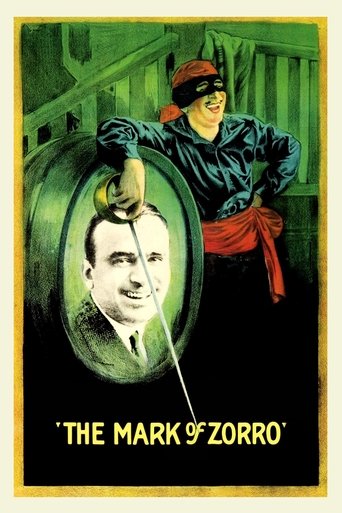
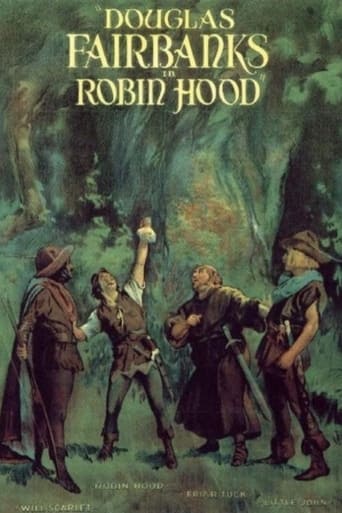
More Romance films
View all →

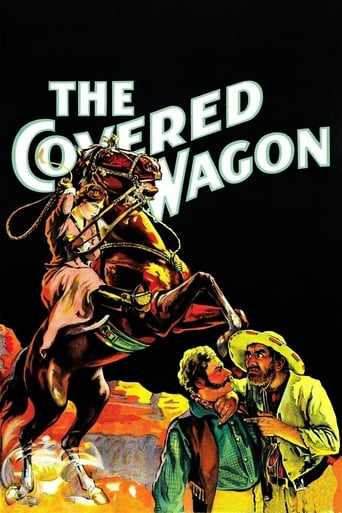

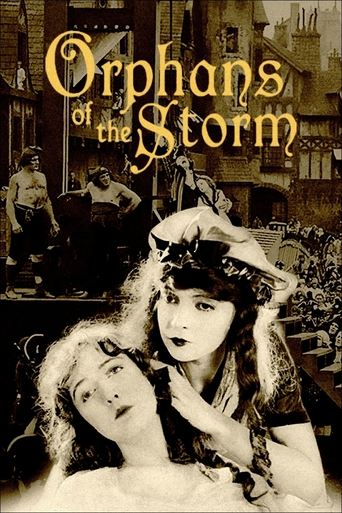


More from Victor Fleming
View all →
More about this film
About the production
Release dateNovember 9, 1919
Box officeUnknown - but was commercially successful for Fairbanks' independent production company
ProductionDouglas Fairbanks Pictures Corporation, Artcraft Pictures Corporation
Filmed inNew York City, New York, Fairbanks Studio, Hollywood, California
was one of the first productions by Fairbanks' newly formed independent company after leaving Famous Players-Lasky. The production featured groundbreaking special effects for 1919, including dream sequences and surreal visual effects created through innovative camera techniques and double exposures. Fairbanks, known for performing his own stunts, insisted on doing all the physical sequences himself, including several dangerous falls and athletic sequences that showcased his trademark acrobatic abilities. The film's psychological themes were considered quite advanced for the time, requiring careful handling in the script to make the concepts understandable to silent film audiences.
Themes
Psychological manipulation and controlThe nature of reality and perceptionLove as redemptionThe conflict between science and humanityWealth and moral responsibility
Themes & topics
psychological thrillerdream sequencemad scientistplayboyexperimentmanipulationromancecomedyactionnew york citypsychiatrysurrealismtransformationredemption
Historical background
Made around 1919, When the Clouds Roll By engaged audiences already fluent in daniel boone brown is a pleasure-seeking playboy carousing around new york city without a care in the world -- that is, until he becomes the unwitting subject of a series of experiments at the hands of a sadistic psychiatrist as a screen subject.
Why this film matters
Restorations and festival bookings keep When the Clouds Roll By visible among classic-film communities.
Making of
The making of 'When the Clouds Roll By' marked a significant turning point in Hollywood history, representing the growing power of independent producers against the studio system. Douglas Fairbanks, having recently broken away from the established studio system, invested his own money and reputation into this ambitious project. Victor Fleming, then primarily known as a cinematographer, was given his first directorial opportunity largely due to Fairbanks' confidence in his visual sensibility. The production faced numerous challenges, particularly in creating the surreal dream sequences that were central to the plot. The special effects team, led by cinematographer William C. McGann, developed innovative techniques using multiple exposures, mirror effects, and carefully timed camera movements to achieve the otherworldly atmosphere. Fairbanks' insistence on performing his own stunts created tension on set, as the production team struggled to balance safety with his desire for authenticity. The film's psychological themes required extensive research and consultation with actual psychologists of the era to ensure accuracy while maintaining entertainment value. The New York City location shooting was particularly challenging due to the primitive equipment of the time and the need to control crowds in the bustling metropolis.
What critics said
Trade papers near 1919 listed When the Clouds Roll By as program material rather than headline art cinema.
Did you know?
- This was Victor Fleming's directorial debut, launching a career that would later include classics like 'Gone with the Wind' and 'The Wizard of Oz'
- Douglas Fairbanks not only starred in but also co-wrote the screenplay under the pseudonym Elton Thomas
- The film's psychological themes were inspired by the growing public interest in Freudian psychology and psychoanalysis in post-WWI America
- The dream sequence featuring clouds literally rolling by was achieved using innovative special effects that were considered revolutionary for 1919
- Fairbanks performed all his own stunts, including a dangerous fall from a building that required no safety nets or wires
- The film was one of the first to explore the concept of psychological manipulation as a central plot device in American cinema
- Despite being a comedy, the film contained surprisingly dark elements that pushed the boundaries of what was acceptable in mainstream entertainment of the era
- The success of helped establish Fairbanks as a major independent producer in Hollywood
- The character of Dr. Metz was one of cinema's earliest examples of the 'mad scientist' archetype
- The film's title became a popular expression in American vernacular during the 1920s
Awards & recognition
- No major awards were given for in 1919 as the Academy Awards had not yet been established
Visual style
The cinematography by William C. McGann and Harry Perry was groundbreaking for its time, featuring innovative techniques that pushed the boundaries of what was possible in 1919. The film employed extensive use of double exposures to create dream sequences and psychological effects, with clouds literally rolling by as suggested by the title. The camera work incorporated unusual angles and movements that were rare in silent cinema, particularly in scenes depicting Daniel's psychological distress. The New York City location shooting utilized natural lighting in ways that created dramatic contrasts between the urban landscape and the characters' emotional states. The cinematographers developed new techniques for representing altered consciousness through visual distortion, slow motion, and rapid editing. The film's visual style influenced later psychological thrillers and contributed to the development of cinematic language for representing mental states. The use of shadow and light was particularly sophisticated for the era, creating a noir-like atmosphere that anticipated later developments in film noir cinematography.
Innovations
The film pioneered several technical innovations that would influence cinema for decades. The special effects team developed new techniques for creating realistic dream sequences using multiple exposure photography and mirror effects. The film featured some of the earliest examples of forced perspective photography to create surreal visual distortions. The production utilized innovative editing techniques to represent psychological states, including rapid cutting and montage sequences that were ahead of their time. The camera movement was particularly advanced for 1919, including tracking shots and crane movements that enhanced the film's dynamic quality. The sound effects created for the theatrical presentation (since it was a silent film) were innovative in their use of various objects to create psychological audio cues. The film's makeup effects, particularly those used to show Daniel's psychological deterioration, were considered groundbreaking for their subtlety and effectiveness. The production also pioneered new safety techniques for stunt work, which Fairbanks insisted upon despite performing his own stunts.
Music
As a silent film, 'When the Clouds Roll By' would have been accompanied by live musical performances during its theatrical run. The original score was composed by Victor Schertzinger, who was one of the era's most prominent film composers. The music incorporated popular songs of the period as well as original compositions designed to enhance the film's psychological themes. The score featured leitmotifs for different characters and psychological states, with dissonant chords accompanying the scenes of mental manipulation and romantic melodies for the love scenes. The musical accompaniment was designed to be particularly elaborate during the dream sequences, using orchestral effects to mirror the surreal visual imagery. Theater organists and small orchestras would have had detailed cue sheets to follow, ensuring consistency in the musical presentation across different venues. The score was considered unusually sophisticated for a comedy film, reflecting the production's ambitions to blend multiple genres.
Famous quotes
The mind is a terrible thing to waste, especially when it belongs to someone else." - Dr. Ulrich Metz
In dreams, we are all prisoners of our own making." - Daniel Boone Brown
Sometimes the only way to find yourself is to lose everything else first." - Lucette
Science without humanity is merely cruelty disguised as progress." - Daniel Boone Brown
The clouds may roll by, but the truth remains constant." - Opening title card
Memorable scenes
- The surreal dream sequence where clouds literally roll across the screen while Daniel floats through a distorted version of New York City
- The climactic confrontation between Daniel and Dr. Metz in the psychiatrist's laboratory, featuring elaborate special effects and psychological warfare
- The opening sequence establishing Daniel's carefree lifestyle through rapid cutting and dynamic camera movement
- The scene where Daniel first meets Lucette during one of his psychological episodes, blending romance with surreal imagery
- The experimental sequences showing Dr. Metz's various methods of psychological manipulation, including sensory deprivation and hypnotic suggestion
What audiences thought
The film was a commercial success upon its release, drawing large audiences curious to see Fairbanks in a more complex role than his previous swashbuckling adventures. Contemporary audience reports indicate that viewers were particularly impressed by the film's special effects and dream sequences, which were unlike anything they had seen before. The combination of Fairbanks' trademark physical comedy with the more serious psychological elements proved popular with audiences seeking more sophisticated entertainment. The film's success at the box office helped validate Fairbanks' decision to form his own production company and pursue more ambitious projects. Audience reactions to the psychological themes were mixed, with some finding them confusing while others praised the film's intellectual depth. The romance between Fairbanks and Kathleen Clifford's characters was well-received, providing an emotional anchor to the more abstract psychological elements. Word-of-mouth was particularly strong regarding the film's visual spectacle, with many viewers recommending it specifically for its innovative dream sequences.
Film connections
Influenced by
- Freudian psychoanalysis
- German Expressionist cinema
- Dadaist and Surrealist art movements
- Post-WWI anxiety about technology and science
- Shakespearean themes of manipulation and reality
This film influenced
- The Cabinet of Dr. Caligari (1920)
- Dr. Jekyll and Mr. Hyde (1920)
- The Man Who Laughs (1928)
- Film noir psychological thrillers of the 1940s
- Alfred Hitchcock's early psychological thrillers
Film restoration
The film is preserved in its complete form at several archives including the Library of Congress, the Museum of Modern Art, and the UCLA Film and Television Archive. A restored version was released in the 1990s with a new musical score. The film exists in both 35mm and digital formats, ensuring its preservation for future generations. Some original nitrate elements have been lost, but complete copies survive from later safety film transfers.
Where to watch
- Available on DVD from Kino Lorber Classics
- Streaming on The Criterion Channel
- Available for digital purchase on Amazon Prime Video
- Occasionally screened at film festivals and classic cinema venues
- Accessible through some university film archives and libraries