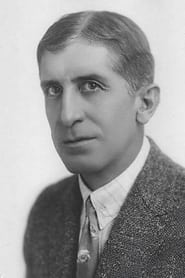
Frank Campeau
Actor
Born: December 14, 1882 in Detroit, Michigan, USA Died: December 5, 1943 Active: 1915-1940 Birth Name: Frank George Campeau
Films
17 films
The Nut
1921
His Majesty, the American
1919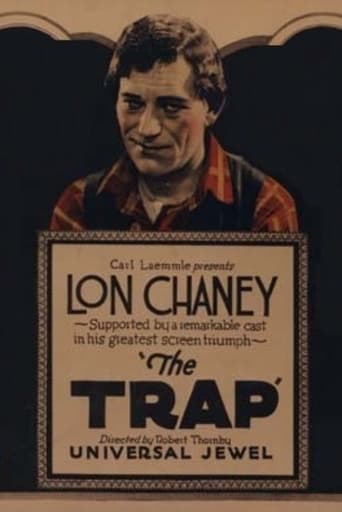
The Trap
1922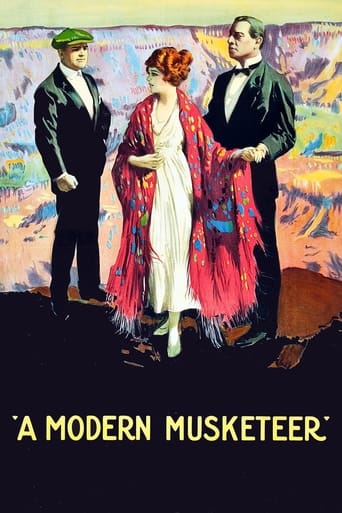
A Modern Musketeer
1917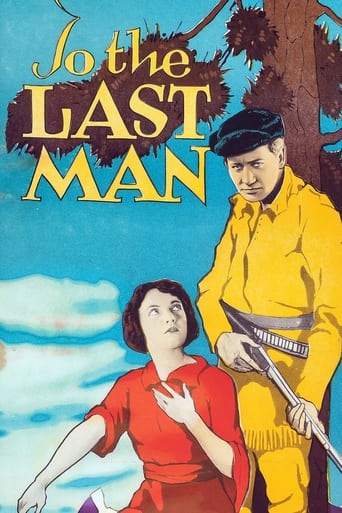
To the Last Man
1923
When the Clouds Roll By
1919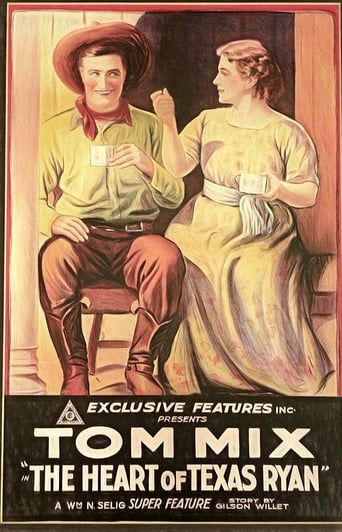
The Heart of Texas Ryan
1917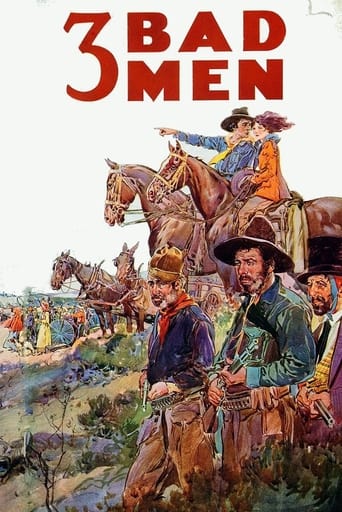
3 Bad Men
1926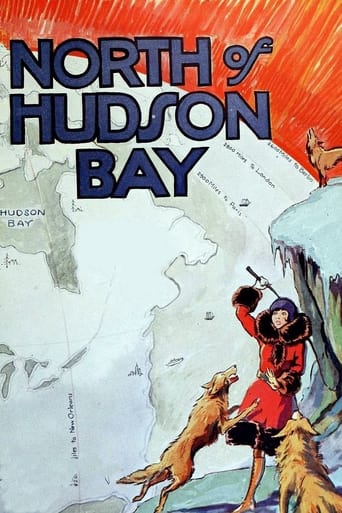
North of Hudson Bay
1923
Say It with Songs
1929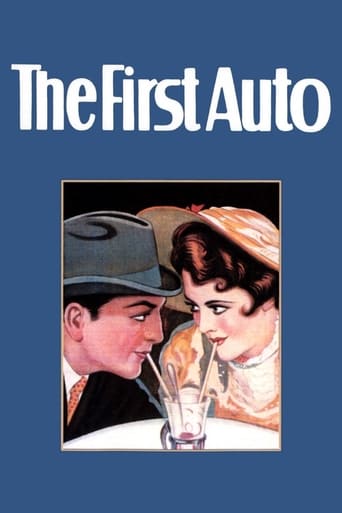
The First Auto
1927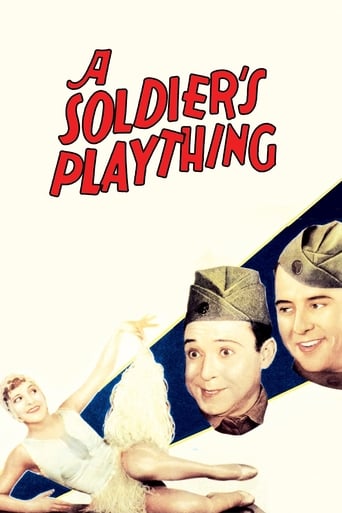
A Soldier's Plaything
1930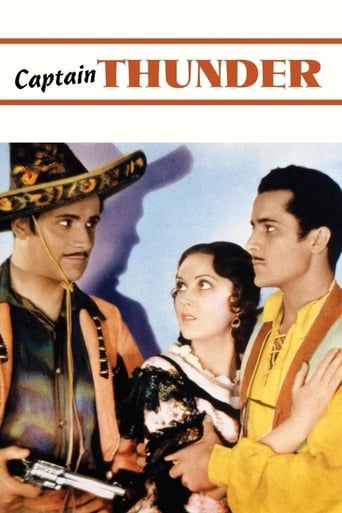
Captain Thunder
1930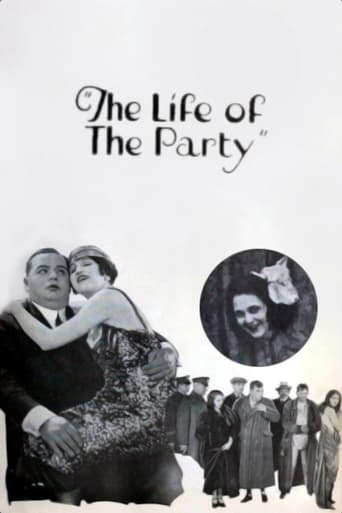
The Life of the Party
1920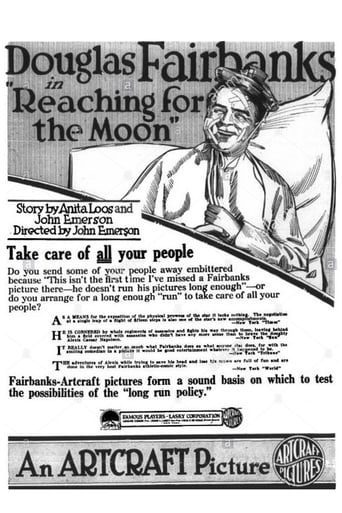
Reaching for the Moon
1917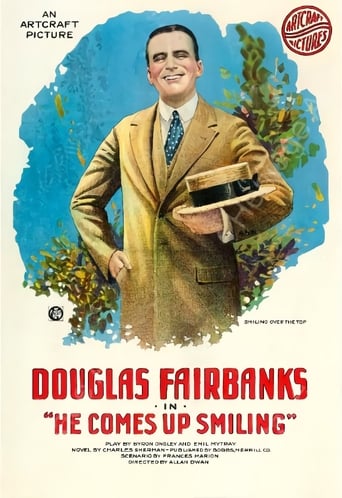
He Comes Up Smiling
1918About Frank Campeau
Prolific American character actor who became a familiar face in Hollywood during the silent film era, specializing in villainous roles and authoritative figures. Born in Detroit, Michigan, he began his acting career on the stage before transitioning to films in the mid-1910s. Campeau quickly established himself as a reliable supporting actor, often cast as the heavy in Westerns, adventure films, and comedies. He worked extensively with major stars of the era including Douglas Fairbanks, appearing in several of Fairbanks's swashbuckling adventures. His imposing stature and commanding presence made him ideal for playing sheriffs, villains, and military officers throughout the 1920s. Campeau successfully made the transition to sound pictures but found fewer roles as the studio system evolved and newer character actors emerged. By the early 1930s, his film appearances became less frequent, though he continued working in smaller roles until his death in 1943.
The Craft
On Screen
Campeau was known for his imposing physical presence and authoritative demeanor, specializing in playing villains and antagonists with a menacing yet sophisticated style. His acting technique emphasized strong facial expressions and body language, essential for silent film performance. He had a particular talent for conveying menace and authority through subtle gestures and intense stares, making him a memorable heavy in numerous productions.
Milestones
- Film debut in 1915 with short films
- Breakthrough role in Douglas Fairbanks films
- Prolific silent era career with over 100 film appearances
- Successful transition to sound films
- Regular appearances in Western and adventure genres
Best Known For
Iconic Roles
Must-See Films
Accolades
Special Recognition
- Hollywood Walk of Fame star (located at 6320 Hollywood Boulevard)
Working Relationships
Worked Often With
Studios
Why They Matter
Impact on Culture
Frank Campeau contributed significantly to the development of the character actor archetype in early Hollywood cinema. His consistent performances as villains and authority figures helped establish the visual language of antagonism in silent films, influencing how villains were portrayed throughout the era. His work with Douglas Fairbanks in some of the most celebrated adventure films of the 1920s made him part of cinema history, even as a supporting player. Campeau's active years covered the crucial transition from silent to sound films, demonstrating the adaptability required of actors during this transformative period in Hollywood.
Lasting Legacy
Frank Campeau's legacy lies in his contribution to the golden age of silent cinema as. While not a leading man, his face was familiar to millions of moviegoers who attended films during the 1920s. His performances in classic Fairbanks adventures remain part of film history, studied by cinema historians and enthusiasts of silent film. His star on the Hollywood Walk of Fame ensures his contribution to early cinema is permanently recognized, and his films continue to be preserved and screened at classic film festivals and archives worldwide.
Who They Inspired
Campeau influenced subsequent generations of character actors, particularly those specializing in villainous or authoritative roles. His ability to create memorable antagonists without dialogue demonstrated the importance of physical presence and visual storytelling in cinema. Many later character actors in Westerns and adventure films drew upon the archetypes Campeau helped establish. His career also serves as an example of the journeyman actor who could sustain a long career through versatility and reliability rather than stardom.
Off Screen
Frank Campeau married fellow actress Claire Du Brey, with whom he shared both personal and professional collaborations. The couple had one daughter together. Campeau was known among his colleagues as a reliable and professional actor who brought depth to even the smallest roles. Despite his frequent casting as villains, he was reportedly well-liked in the Hollywood community for his professionalism and amiable personality off-screen.
Education
Limited formal education; primarily trained through theater experience and on-the-job learning in early film industry
Family
- Claire Du Brey (1916-1943, until his death)
Did You Know?
- Appeared in over 150 films during his career
- Often played characters much older than his actual age
- Was a skilled horseman, which served him well in Western roles
- Worked with virtually every major star of the silent era
- His distinctive mustache became his trademark
- Survived the transition to sound when many of his contemporaries did not
- Was one of the few actors who worked with both Fairbanks and later with early sound stars
- His final film appearance was in 1940, three years before his death
- Despite playing villains, he was known for his charitable work off-screen
- His filmography includes many lost films from the silent era
In Their Own Words
In silent films, your eyes had to do all the talking. A good villain could convey more with a glare than a page of dialogue
Working with Fairbanks was like being part of a circus - always exciting, always dangerous, always fun
The transition to sound wasn't as hard for us character actors. We were used to being versatile
Frequently Asked Questions
Who was Frank Campeau?
Prolific American character with credits in this catalog. He worked frequently with Douglas Fairbanks and appeared in many classic adventure films and Westerns.
What films is Frank Campeau best known for?
Titles linked here include A Modern Musketeer (1917), His Majesty, the American (1919).
When was Frank Campeau born and when did he die?
Born December 14, 1882; died December 5, 1943.
What awards did Frank Campeau win?
Frank Campeau did not receive major acting awards during his career, as the Academy Awards were not established until 1929, near the end of his most prolific period. However, he was honored with a star on the Hollywood Walk of Fame for his contributions to cinema.
What was Frank Campeau's acting style?
Campeau specialized in playing villains and authoritative figures with an imposing presence and commanding demeanor. In silent films, he relied heavily on facial expressions, body language, and intense stares to convey menace and authority, making him a memorable antagonist in numerous productions.