
The Heart of Texas Ryan
"Cowboy courage and a cattle raid"
Keys: Space play/pause · ←/→ 10s · F fullscreen · M mute · </> speed
About this film
To get in the good graces of his rancher boss’s daughter, cowboy Single Shot captures a cattle raider but then gets kidnapped by his gang of thieves.
Cast & crew
More films like this

More Western films
View all →
More about this film
About the production
Release dateMarch 5, 1917
ProductionSelig Polyscope Company
Filmed inLos Angeles, California, San Antonio, Texas
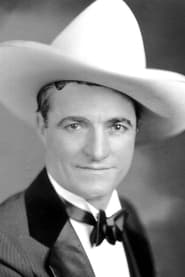
The Heart of Texas Ryan was produced during the golden age of silent westerns when Tom Mix was establishing himself as one of the genre's first major stars. The film was shot on location in Texas and California, utilizing the vast landscapes typical of Selig Polyscope productions. The production faced challenges with the primitive filming equipment of the era, requiring multiple takes for action sequences. Tom Mix performed many of his own stunts, including the cattle raiding sequences, which was common practice for early western stars.
Themes
Themes & topics
Historical background
Exhibitors in 1917 booked The Heart of Texas Ryan through Selig Polyscope Company as part of the era's steady flow of new releases.
Why this film matters
Archivists note that The Heart of Texas Ryan preserves period framing of to get in the good graces of his rancher boss’s daughter, cowboy single shot captures a ca for modern comparison.
Making of
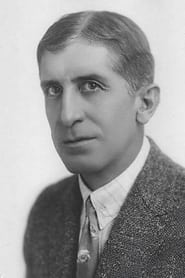
The production of The Heart of Texas Ryan took place during a transformative period in American cinema. Tom Mix, who had been a real cowboy and served in the Texas Rangers, brought authentic western experience to his role. Director E.A. Martin, known for his work with Selig Polyscope, utilized the company's extensive experience in outdoor filming. The cast and crew faced the challenges of 1917 filming technology, including cumbersome cameras and natural lighting requirements. The cattle raiding sequences required coordination with local ranchers and real cattle drives, adding authenticity but also complexity to the production. Bessie Eyton, who had been acting since 1911, brought experience to the romantic elements of the story. The film was shot during winter months, creating additional difficulties for the outdoor scenes, but the harsh weather ultimately added to the authentic western atmosphere.
What critics said
Trade coverage around 1917 treated The Heart of Texas Ryan as routine program material rather than a special event.
Did you know?
- This was one of Tom Mix's earliest starring roles before he became the highest-paid actor in Hollywood during the 1920s
- The film was produced by Selig Polyscope Company, one of the first motion picture production companies in America
- Tom Mix's character 'Single Shot' was a nickname that became associated with his early western persona
- The film featured real cattle and authentic ranch equipment, adding to its realistic portrayal of western life
- Director E.A. Martin was known for his efficient shooting style, often completing films in under two weeks
- Bessie Eyton was one of the few actresses who successfully transitioned from the 1910s to the sound era
- The film's title was sometimes shortened to 'Heart of Texas' in promotional materials
- This was one of over 300 films Tom Mix would eventually make in his career
- The cattle raiding sequences were filmed using actual working cowboys from local Texas ranches
- The film's success helped establish Tom Mix as Fox Film Corporation's biggest star when he later signed with them
Visual style
The cinematography of The Heart of Texas Ryan utilized the natural beauty of Texas and California landscapes to create an authentic western atmosphere. The film employed static camera shots typical of the era, but made innovative use of long shots to capture the vastness of ranch settings. The cattle raiding sequences featured dynamic camera placement, with photographers positioned to capture the action from multiple angles. Natural lighting was used throughout, creating realistic shadows and highlights in outdoor scenes. The film's visual style emphasized the grandeur of the American West, a technique that would become standard in western cinematography. The camera work, while limited by 1917 technology, successfully conveyed the scale and drama of the story.
Innovations
The Heart of Texas Ryan utilized the standard filming technology of 1917, including hand-cranked cameras and natural lighting. The film's most notable technical achievement was its successful execution of complex outdoor action sequences, particularly the cattle raiding scenes that required coordination between actors, animals, and camera operators. The production employed early location shooting techniques, transporting heavy equipment to remote Texas locations. The film demonstrated effective use of continuity editing in action sequences, a relatively new technique at the time. The kidnapping scenes utilized innovative camera angles to create tension and drama. While not groundbreaking technically, the film represented solid craftsmanship for its era and successfully overcame the technical limitations of early cinema.
Music
As a silent film, The Heart of Texas Ryan featured no recorded soundtrack but would have been accompanied by live musical performance in theaters. Typical theater orchestras of the period would have performed popular western-themed compositions, including works by composers like Victor Herbert and John Philip Sousa. The romantic scenes likely featured popular love songs of the era, while action sequences would have been accompanied by dramatic, fast-paced musical pieces. Some larger theaters may have used special cue sheets provided by the studio, suggesting specific musical selections for different scenes. The music was crucial in conveying emotion and building tension, particularly during the kidnapping and rescue sequences.
Famous quotes
A man's word is his bond in Texas country
Single Shot never misses his mark
Love makes a man do brave things
The West was won by men like Single Shot Ryan
Memorable scenes
- The dramatic cattle raiding sequence where Single Shot captures the thief
- The tense kidnapping scene where the gang ambushes Ryan
- The climactic rescue sequence featuring a horseback chase across the Texas plains
- The romantic moment between Ryan and the rancher's daughter by the campfire
- The final showdown where Ryan confronts the entire gang single-handedly
What audiences thought
The Heart of Texas Ryan was well-received by 1917 audiences, particularly in western states where the subject matter resonated with local viewers. The film capitalized on Tom Mix's growing popularity as a western hero, drawing crowds to theaters across America. Audiences responded enthusiastically to the action sequences and the romantic subplot, making it a commercial success for Selig Polyscope. The film's reception helped solidify Tom Mix's status as a bankable star and demonstrated the enduring appeal of western narratives. Contemporary audience letters preserved in film archives show particular appreciation for the authentic ranch settings and Mix's stunt work, which was considered genuinely impressive for the time.
Film connections
Influenced by
- The Great Train Robbery (1903)
- The Battle of Elderbush Gulch (1913)
- previous Tom Mix western shorts
This film influenced
- Later Tom Mix westerns
- The Covered Wagon (1923)
- The Iron Horse (1924)
- Early John Ford westerns
Film restoration
The Heart of Texas Ryan is considered a lost film, as no complete copies are known to exist in any film archives or private collections. This status is unfortunately common for films from the 1910s, with an estimated 75% of American silent films lost due to neglect, decomposition, or deliberate destruction. Some still photographs and promotional materials from the film survive in archives like the Library of Congress and the Academy Film Archive. The film's loss represents a significant gap in the documented history of Tom Mix's early career and the development of the western genre. Film preservationists continue to search for any surviving fragments or copies that might exist in private collections or international archives.
Where to watch
- Unfortunately, The Heart of Texas Ryan is not available for viewing as it is considered a lost film. No known copies exist in any public or private archives. Film enthusiasts can learn about the movie through historical film databases, silent film reference books, and archives that maintain promotional materials and still photographs from the production.