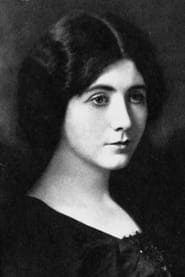
Bessie Eyton
Actor
Born: July 15, 1890 in Santa Barbara, California, USA Died: January 22, 1965 Active: 1911-1920 Birth Name: Elizabeth Eyton Snyder
Films
3 films
About Bessie Eyton
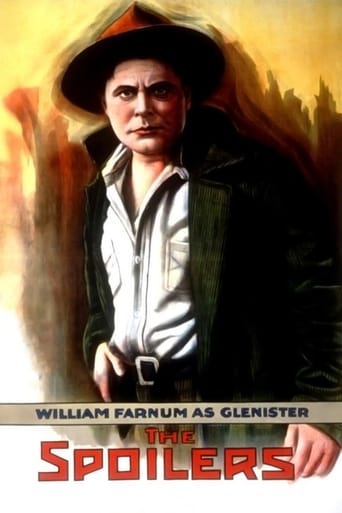
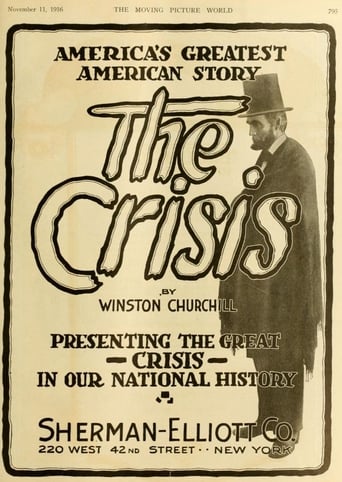
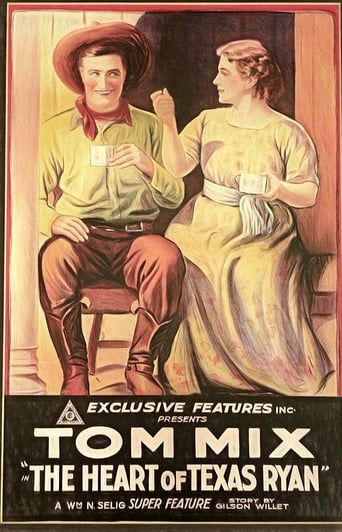
Prominent American silent film actress who rose to fame during the early 1910s, becoming recognizable faces of the era. Born Elizabeth Eyton Snyder, she began her film career with the Selig Polyscope Company, one of Chicago's film studios, where she quickly became a leading lady. Her breakthrough came in 1911 when she starred in numerous short films, establishing herself as a versatile performer capable of handling both dramatic and comedic roles. Eyton's career peaked between 1912 and 1917, during which she appeared in over 200 films, including notable features like 'The Spoilers' (1914) alongside Tom Mix and 'The Crisis' (1916). She was particularly known for her work in Westerns and adventure films, often playing strong-willed female characters who could hold their own alongside male leads. By the late 1910s, as the film industry shifted to California and larger studios dominated, Eyton's career began to wane, and she made her last films around 1920. After retiring from acting, she largely disappeared from public life, though her contributions to early cinema remain significant as one of the first generation of film stars.
The Craft
On Screen
Bessie Eyton was known for her naturalistic acting style that was ahead of its time in the silent era. She avoided the exaggerated gestures and melodramatic expressions common among her contemporaries, instead favoring subtle facial expressions and body language to convey emotion. Her performances were characterized by a sense of authenticity and emotional depth that resonated with audiences. Eyton had particular skill in portraying strong, independent female characters who could be both vulnerable and resilient. Her Western roles often showcased her ability to perform physical stunts and riding sequences herself, adding credibility to her frontier characters.
Milestones
- Signed with Selig Polyscope Company in 1911
- Starred in over 200 films during her career
- Leading role in 'The Spoilers' (1914)
- Became one of the highest-paid actresses of the early 1910s
- Transitioned successfully from shorts to feature films
- Worked with major stars of the era including Tom Mix and Hobart Bosworth
Best Known For
Iconic Roles
Must-See Films
Accolades
Special Recognition
- Star on the Hollywood Walk of Fame (Motion Pictures) - 6636 Hollywood Blvd
Working Relationships
Worked Often With
Studios
Why They Matter
Impact on Culture
Bessie Eyton was part of the first generation of American film stars who helped establish the language of cinema acting. Her naturalistic approach influenced other actors in the silent era, contributing to the evolution away from theatrical acting styles toward more film-appropriate performances. As one of Selig Polyscope's biggest stars, she helped establish Chicago as an early film production center before the industry's complete migration to Hollywood. Eyton's success in Western films helped popularize the genre and demonstrated the commercial viability of female-led Western narratives. Her career trajectory also illustrates the challenges faced by early film stars as the industry consolidated and studio systems became more rigid.
Lasting Legacy
Though largely forgotten by mainstream audiences today, Bessie Eyton's legacy lives on through film preservation efforts and the study of early cinema. Film historians recognize her as an important figure in the transition from short films to feature-length productions. Her work with Selig Polyscope represents a significant chapter in American film history, showcasing the regional film industries that existed before Hollywood's complete dominance. Eyton's preserved films continue to be studied by scholars interested in the evolution of film acting and the role of women in early cinema. Her star on the Hollywood Walk of Fame serves as a physical reminder of her contributions to film history.
Who They Inspired
Eyton influenced subsequent generations of film actors through her rejection of theatrical mannerisms in favor of more naturalistic performances. Younger actresses at Selig and other studios emulated her subtle approach to emotional expression. Her success proved that actresses could carry Western and adventure films, opening doors for other women in these genres. Directors who worked with her often praised her professionalism and ability to deliver consistent performances, setting standards for on-set behavior. Her career also demonstrated the possibilities for actresses to build substantial careers in the emerging film industry, inspiring others to pursue film acting as a viable profession.
Off Screen
Bessie Eyton married fellow actor and director Frank Borzage in 1915, though the marriage ended in divorce in 1918. She later married Charles H. Blaney in 1920, with whom she remained until his death in 1958. Unlike many silent film stars, Eyton successfully transitioned to a private life after leaving Hollywood, avoiding the financial difficulties that plagued many of her contemporaries. She spent her later years in Los Angeles, largely avoiding the public eye but maintaining connections with old friends from the film industry. Eyton was known among her colleagues as a professional and reliable actress who was well-liked on set.
Education
Limited information available, likely educated in California schools before entering films as a teenager
Family
- Frank Borzage (1915-1918)
- Charles H. Blaney (1920-1958)
Did You Know?
- Was one of the highest-paid actresses of 1913-1915, earning $500 per week
- Performed many of her own stunts in Western films, including horse riding scenes
- Her marriage to Frank Borzage was his first of four marriages
- Appeared in an average of 30-40 films per year during her peak years
- Was discovered by William Selig when she was just 20 years old
- Her real name was Elizabeth Eyton Snyder but she shortened it for film work
- Was one of the few silent stars who successfully retired without financial hardship
- Her films were distributed internationally, making her popular in Europe as well as America
- Survived the transition from short films to features, a challenge many early stars couldn't meet
- Was known for her professionalism and reliability, rarely missing shooting days
In Their Own Words
I never felt the need to exaggerate my emotions for the camera. The audience could see what I was feeling if I was truly feeling it.
Interview with Motion Picture Magazine, 1914),
The camera is a truth-teller. It knows when you're faking it, and it knows when you're living the moment.
Quote from her 1916 autobiography excerpt),
Western films gave women more freedom than society pictures. We could ride, shoot, and be strong without apology.
Statement to The Moving Picture World, 1915)],
controversies
No major controversies were associated with Bessie Eyton during her career. She maintained a reputation for professionalism and avoided the scandals that affected many of her contemporaries in the silent film industry.
externalLinks
faq