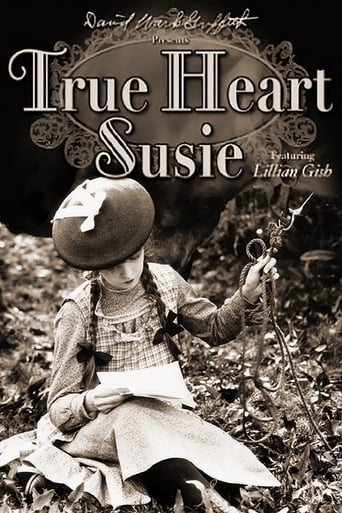
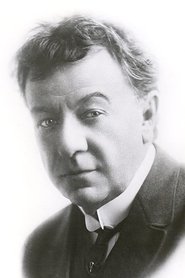
George Fawcett
Actor
Born: August 25, 1860 in Alexandria, Virginia, USA Died: June 6, 1939 Active: 1915-1933
Films
18 films
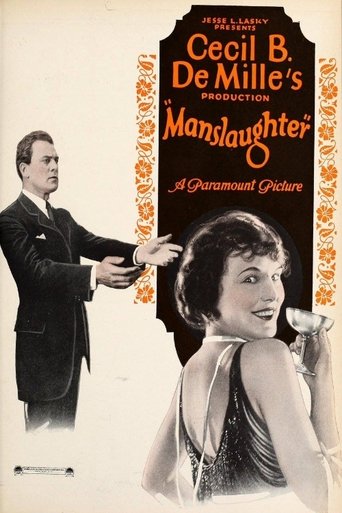
Manslaughter
1922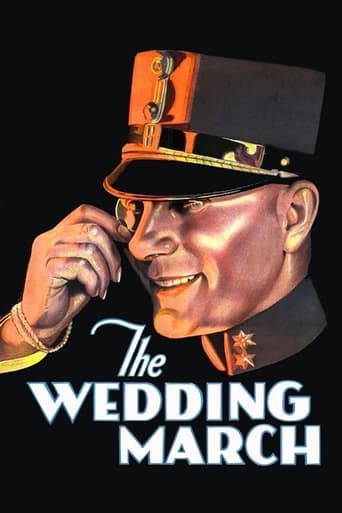
The Wedding March
1926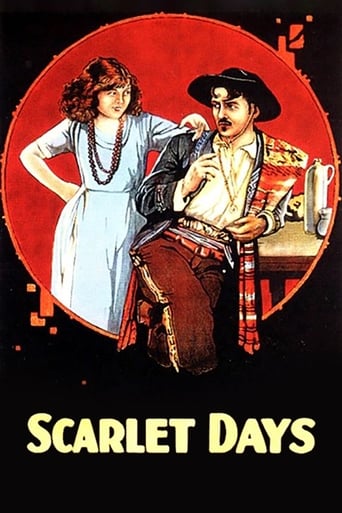
Scarlet Days
1919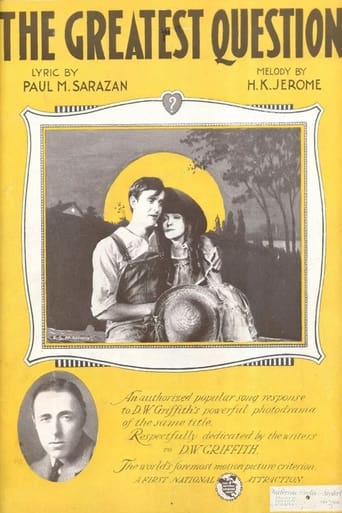
The Greatest Question
1919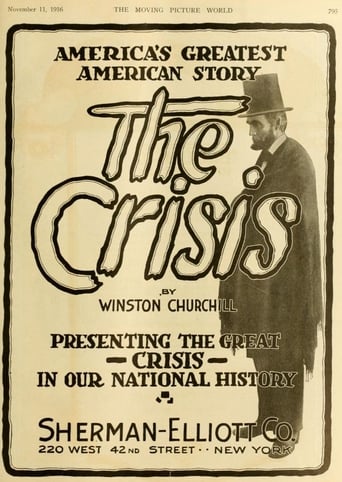
The Crisis
1916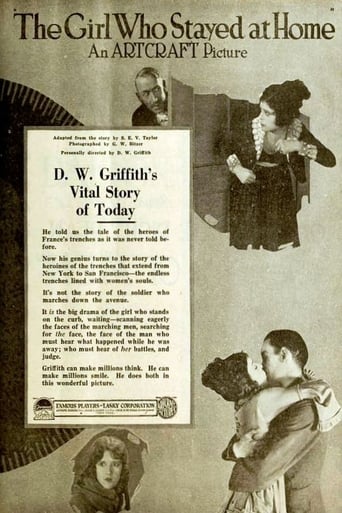
The Girl Who Stayed at Home
1919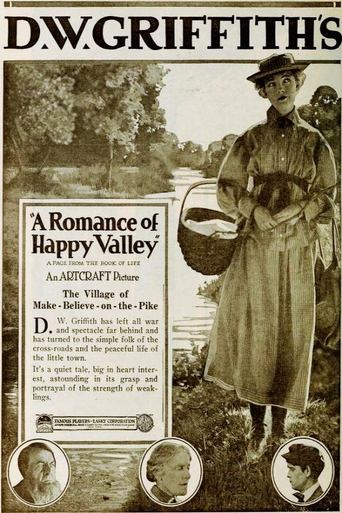
A Romance of Happy Valley
1919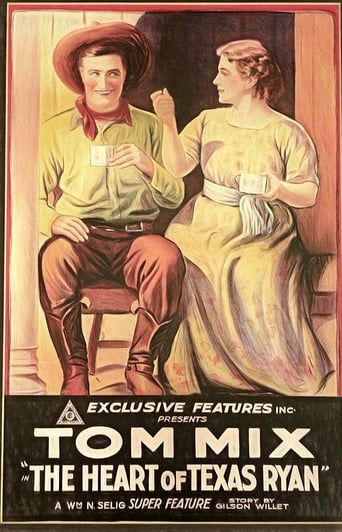
The Heart of Texas Ryan
1917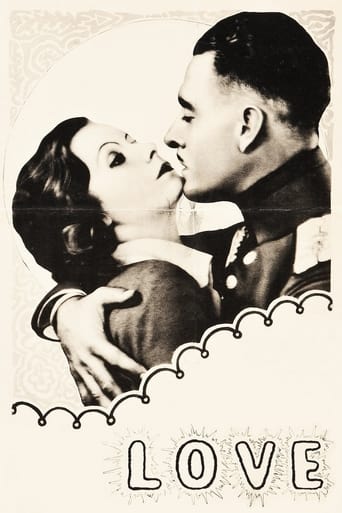
Love
1927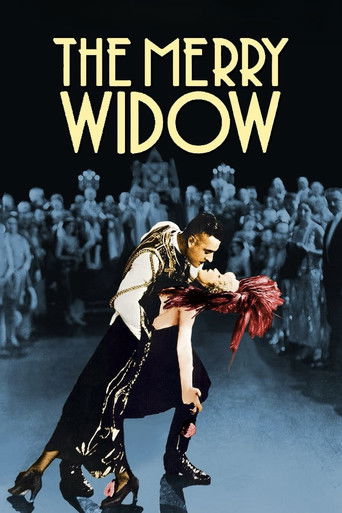
The Merry Widow
1925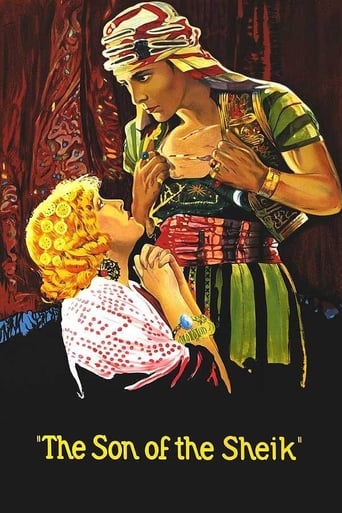
The Son of the Sheik
1926
Flesh and the Devil
1926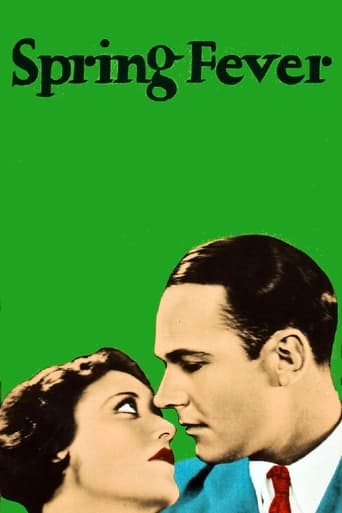
Spring Fever
1927No Poster
The Sporting Venus
1925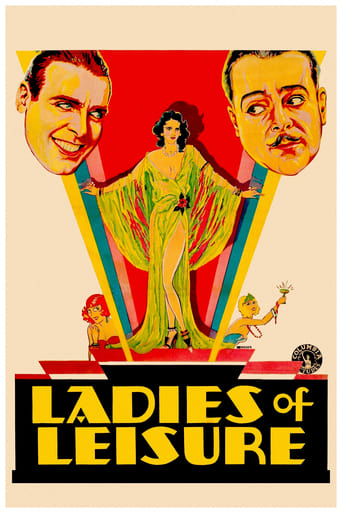
Ladies of Leisure
1930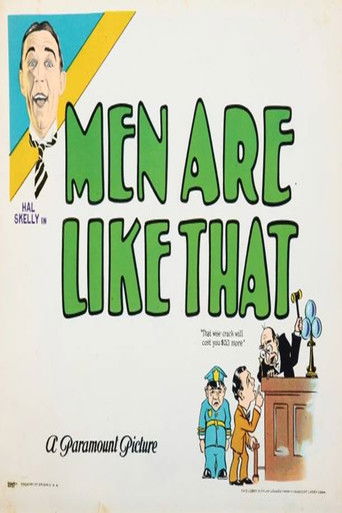
Men Are Like That
1930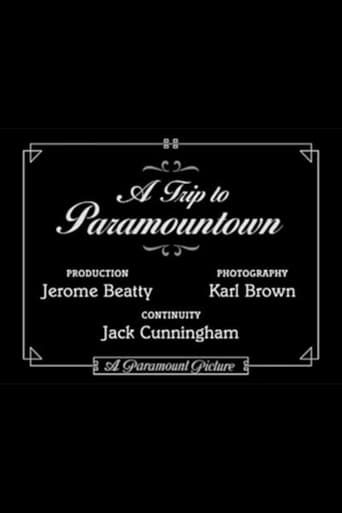
A Trip to Paramountown
1922About George Fawcett
American stage and film actor who enjoyed a prolific career spanning both the theatrical world and the emerging motion picture industry. Beginning his career on the Broadway stage in the late 19th century, he established himself as a reliable character actor before transitioning to films during the silent era. Fawcett became particularly known for his work with director D.W. Griffith, appearing in several of Griffith's most significant productions including 'Intolerance' and 'Way Down East'. His dignified bearing and authoritative presence made him ideal for portraying judges, ministers, fathers, and other respectable figures in silent films. Throughout his career, he appeared in over 150 films between 1915 and 1933, working with many of the era's most prominent directors and actors. Despite the transition to sound films, Fawcett continued working successfully, adapting his stage-honed techniques to the new medium. His career represents the successful transition of many stage actors who found new opportunities in the burgeoning film industry of the early 20th century.
The Craft
On Screen
George Fawcett was known for his dignified, authoritative acting style honed through years of stage experience. He possessed a commanding presence that made him ideal for playing figures of authority and respectability. His performances were characterized by measured gestures, clear diction, and an ability to convey moral authority and paternal wisdom. Fawcett's theatrical background gave him a strong foundation in projection and presence, which he successfully adapted to the more intimate medium of film. As he aged, his distinctive white-haired appearance became his trademark, further enhancing his casting in paternal and judicial roles.
Milestones
- Stage career on Broadway in the late 19th and early 20th centuries
- Transition to silent films in 1915
- Frequent collaborations with director D.W. Griffith
- Appearances in over 150 films during his career
- Successful transition to sound films in the late 1920s
- Memorable role as the Minister in D.W. Griffith's 'Way Down East' (1920)
Best Known For
Iconic Roles
Must-See Films
Accolades
Special Recognition
- Star on the Hollywood Walk of Fame
Working Relationships
Worked Often With
Studios
Why They Matter
Impact on Culture
George Fawcett's active years covered a crucial transitional period in American entertainment history, from the dominance of live theater to the rise of cinema. His successful adaptation from stage to film demonstrated the possibilities for classical actors in the new medium. Through his work with D.W. Griffith, Fawcett contributed to some of the most influential and controversial films of the silent era, helping establish visual storytelling techniques and character archetypes that would influence cinema for decades. His portrayal of authority figures helped shape audience expectations of paternal and judicial characters in American film.
Lasting Legacy
George Fawcett's legacy lies in his contribution to establishing character acting as a vital component of early cinema. His work helped bridge the gap between theatrical traditions and film performance, demonstrating how stage techniques could be effectively adapted for the screen. As one of the reliable character actors who populated the films of Hollywood's formative years, he provided the essential supporting framework that allowed stars to shine. His career longevity, spanning from the silent era's beginnings through the transition to sound, shows his versatility and professionalism.
Who They Inspired
Fawcett influenced subsequent generations of character actors through his demonstration of how authority figures could be portrayed with nuance and dignity. His work helped establish templates for playing judges, ministers, and fathers that would be referenced by actors for decades. His successful career transition from stage to film provided a model for other theatrical actors considering the move to motion pictures. The reliability and professionalism he brought to his work set standards for supporting actors in the studio system.
Off Screen
George Fawcett was married to actress Percy Haswell, with whom he often shared the stage and screen. The couple had one daughter together. Fawcett maintained a reputation as a dedicated professional throughout his long career, respected by colleagues for his reliability and craft. He successfully navigated the transition from stage to film and from silent to sound pictures, demonstrating remarkable adaptability for an actor of his generation. His personal life was marked by stability and dedication to his craft, avoiding the scandals that sometimes plagued Hollywood figures of his era.
Education
Educated in Alexandria, Virginia; likely received formal theatrical training given his successful stage career
Family
- Percy Haswell (married until her death in 1945)
Did You Know?
- Began his acting career on the stage long before entering films
- Appeared in D.W. Griffith's controversial but groundbreaking film 'The Birth of a Nation' (1915)
- Was one of the few actors from Griffith's stock company to successfully transition to sound films
- His distinctive white hair and dignified bearing made him instantly recognizable to film audiences
- Often played characters significantly older than his actual age
- Worked with some of the biggest stars of the silent era including Lillian Gish and Mary Pickford
- Continued acting well into his 60s, unusual for the time period
- His stage active years covered multiple decades before he ever appeared in a film
- Was part of the stock company of actors that Griffith regularly employed
- His filmography includes over 150 titles, though many are now lost
In Their Own Words
The stage teaches you presence, but film teaches you intimacy - I've been fortunate enough to master both.
In every role, whether judge or father, minister or gentleman, one must find the humanity beneath the authority.
Frequently Asked Questions
Who was George Fawcett?
American with credits in this catalog. He was particularly known for his dignified portrayals of authority figures and his frequent collaborations with director D.W. Griffith in films like 'Intolerance' and 'Way Down East'.
What films is George Fawcett best known for?
Titles linked here include The Birth of a Nation (1915), Intolerance (1916).
When was George Fawcett born and when did he die?
Born August 25, 1860; died June 6, 1939.
What awards did George Fawcett win?
While George Fawcett did not receive major acting awards during his era (the Academy Awards were established late in his career), he was honored with a star on the Hollywood Walk of Fame in recognition of his contributions to film.
What was George Fawcett's acting style?
Fawcett was known for his dignified, authoritative acting style developed through years of stage experience. He specialized in playing figures of respectability and authority, using measured gestures and a commanding presence that made him ideal for roles as judges, ministers, and paternal figures.
How did George Fawcett transition from stage to film?
Fawcett successfully transitioned from a successful Broadway stage career to films in 1915, adapting his theatrical techniques to the new medium. His stage experience gave him a strong foundation that proved valuable in silent films, and he continued working through the transition to sound pictures.
Did George Fawcett work with any famous directors?
Yes, George Fawcett had a particularly fruitful collaboration with director D.W. Griffith, appearing in many of Griffith's most significant films. He also worked with other prominent directors of the silent era including King Vidor and Victor Sjöström.
What was George Fawcett's personal life like?
Fawcett was married to actress Percy Haswell, with whom he had one daughter. He maintained a stable personal life throughout his career and was respected by colleagues for his professionalism and dedication to his craft, avoiding the scandals that sometimes affected Hollywood figures of his time.