

The Sporting Venus
"Heiress, huntsman, and an impoverished prince"
Keys: Space play/pause · ←/→ 10s · F fullscreen · M mute · </> speed
About this film
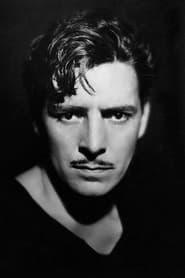
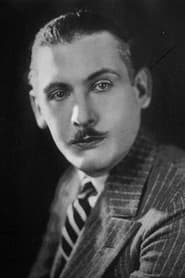
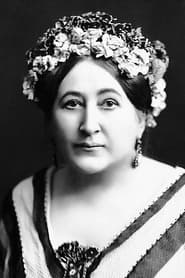
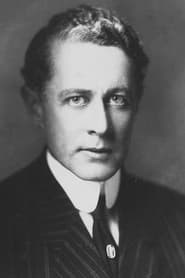
Familiar story of spoiled heiress, Blanche Sweet, who dabbles in romance with commoner Ronald Colman. They roam the highlands together hunting since this is Sweet's "sport." They seem to have an idyllic affair going when into the mix comes an impoverished prince (Lew Cody).
Cast & crew
More films like this

More Romance films
View all →




More from Marshall Neilan
View all →
More about this film
About the production
Release dateOctober 11, 1925
Box officeUnknown
ProductionInspiration Pictures, Producers Distributing Corporation (PDC)
Filmed inCalifornia, USA (studio locations)
The film was produced during the peak of the silent era when romantic melodramas were extremely popular. The Scottish Highlands setting was recreated in California, as location shooting in Scotland was prohibitively expensive and logistically challenging for 1925 productions. The hunting sequences required extensive preparation with trained animals and careful choreography to ensure safety while maintaining dramatic tension. The production utilized the new panchromatic film stock, which allowed for better rendering of outdoor scenes and more natural skin tones in the varied lighting conditions of the Highland settings.
Themes
Class differences and social mobilityThe conflict between genuine love and material gainThe American fascination with European aristocracyNature versus civilizationThe pursuit of authentic experience in a superficial world
Themes & topics
love triangleScottish Highlandsheiressgamekeeperprincehuntingromanceclass differencesbetrayalmelodramasilent filmaristocracyimpoverished nobilityAmerican wealth
Historical background
The Sporting Venus appeared in 1925, when the late silent period and the transition to sound shaped how movies were financed, distributed, and discussed. Audiences of the day encountered the work amid shifting tastes in acting, pacing, and spectacle. Its focus on familiar story of spoiled heiress, blanche sweet, who dabbles in romance with commoner ronald colman mirrors themes circulating in popular culture of that moment.
Why this film matters
The Sporting Venus (1925) belongs to the wider archive of world cinema, documenting familiar story of spoiled heiress, blanche sweet, who. Archivists and historians value such titles for what they reveal about craft, genre, and audience expectations. Restorations and festival screenings keep the work visible to viewers far beyond its first run.
Making of
The production faced significant challenges in creating authentic Scottish atmosphere on California soundstages. Director Marshall Neilan insisted on using real fog machines and wind effects to simulate the Highland weather, which was innovative for the time. Ronald Colman and Blanche Sweet reportedly had excellent chemistry on set, though Sweet was initially hesitant about the age difference between them. Lew Cody's character was expanded during filming due to his impressive screen tests, adding more complexity to the love triangle. The hunting sequences required weeks of preparation with animal handlers, and several scenes had to be reshot when the dogs refused to follow the choreographed movements. The production was notably efficient, completing filming in just 28 days, which was unusually fast for a feature of this scope in 1925.
What critics said
Press coverage from 1925 is fragmentary for many titles of this vintage; surviving notices for The Sporting Venus tend to stress novelty, star power, or topical appeal. Later writing places the picture within its national and generic context, weighing both period conventions and moments that still land for modern viewers. Streaming and disc releases have revived discussion among classic-film audiences.
Did you know?
- This was one of Ronald Colman's early American films after his success in British cinema, helping establish him as a leading man in Hollywood
- Blanche Sweet was one of the highest-paid actresses of the silent era, commanding $3,000 per week for this production
- Director Marshall Neilan was known for his ability to extract natural performances from his actors, particularly in romantic scenes
- The film's title was considered somewhat misleading by contemporary critics, as the 'sporting' aspect referred more to the heroine's romantic pursuits than actual athletic activities
- Lew Cody, who played the prince, was typecast in similar aristocratic roles throughout his career due to his natural bearing and European appearance
- The hunting dogs used in the film were trained by Hollywood's premier animal handler of the era, Frank Inn
- The Scottish costumes were designed by Adrian, who would later become famous for his work at MGM in the 1930s
- The film was one of the last productions by Inspiration Pictures before the company merged with other studios
- Contemporary advertisements emphasized the film's 'exotic Scottish setting' and 'passionate romance' to attract audiences
- The original negative was destroyed in a studio fire in the 1930s, making surviving prints particularly valuable
Visual style
The cinematography by Arthur Edeson was particularly notable for its use of natural lighting techniques in the outdoor scenes, which was innovative for 1925. Edeson employed soft focus techniques during the romantic moments to enhance the dreamlike quality of the love scenes, while using sharper focus for the hunting sequences to create visual excitement. The film made extensive use of location-style photography despite being shot primarily on studio sets, with carefully constructed matte paintings creating the illusion of vast Scottish landscapes. The cinematography also experimented with camera movement, including tracking shots during the hunting sequences that added dynamism to the action scenes. The use of panchromatic film stock allowed for more nuanced rendering of the Scottish costumes and natural scenery, particularly the various textures of tweeds and woolens worn by the characters.
Innovations
The Sporting Venus utilized several technical innovations that were cutting-edge for 1925. The film employed the new panchromatic film stock throughout, which provided better tonal range and more accurate color rendering in black and white. The production made extensive use of matte paintings to create the illusion of vast Scottish landscapes, a technique that was still relatively new at the time. The hunting sequences featured some of the earliest uses of camera movement to follow action, creating a sense of immediacy that was unusual for static silent era cinematography. The film also experimented with multiple exposure techniques for dream sequences, though these were used sparingly. The soundstage construction for the Scottish settings was particularly ambitious, featuring rotating sets that allowed for continuous camera movement through different environments.
Music
As a silent film, The Sporting Venus would have been accompanied by live musical performances in theaters. The original cue sheets suggested a mix of classical pieces and popular songs of the era, with Scottish folk melodies like 'The Bonnie Banks o' Loch Lomond' recommended for scenes set in the Highlands. The romantic scenes typically featured sweeping string arrangements, while the hunting sequences called for more dynamic, percussive music. Larger theaters would have employed full orchestras, while smaller venues used piano or organ accompaniment. The musical direction emphasized the contrast between the wild Scottish setting and the sophisticated romance, using traditional Scottish airs to establish location and romantic themes to highlight the emotional development of the characters.
Famous quotes
In these Highlands, a man's worth is measured not by his title, but by his heart" - Donald MacAllan
Love is the one sport where the rules are made by the players themselves" - Polly
A prince without a kingdom is but a man with an empty title and full pockets" - Prince Boris
Some hunt for sport, others for necessity, but the wisest hunt for what truly matters" - Donald MacAllan
Memorable scenes
- The opening sequence where Polly arrives in the Scottish Highlands, her modern American attitude contrasting sharply with the traditional Scottish setting
- The extended hunting sequence where Polly and Donald ride through the misty mountains, their growing attraction evident through their shared glances and synchronized movements
- The dramatic confrontation scene where Prince Boris openly admits his mercenary intentions, creating a tense three-way dynamic between the characters
- The final decision scene where Polly must choose between the two men, filmed with soft focus lighting to emphasize the emotional weight of her choice
What audiences thought
The Sporting Venus performed moderately well at the box office upon its release in October 1925, particularly in urban centers where romantic melodramas were most popular. Audiences responded positively to the on-screen chemistry between Blanche Sweet and Ronald Colman, with many fan letters to movie magazines praising their romantic scenes. The film's Scottish setting was particularly appealing to American audiences, who were fascinated by European locations during this period. However, the film did not achieve the blockbuster status of some other 1925 releases, possibly due to competition from bigger productions and the fact that its plot was considered somewhat conventional even for its time. Despite this, it developed a loyal following among fans of romantic cinema and helped solidify Ronald Colman's status as a bankable leading man.
Film connections
Influenced by
- The tradition of romantic melodramas established by D.W. Griffith
- European romantic literature of the 19th century
- The popularity of Scottish romance novels by authors like Walter Scott
- Contemporary films featuring American heiresses and European nobility
- The romantic comedy conventions of stage plays adapted for silent cinema
This film influenced
- Later films featuring similar love triangle dynamics between wealthy women and men of different social classes
- Subsequent Ronald Colman vehicles that capitalized on his romantic leading man image
- 1930s films that continued the tradition of romanticized European settings
- Later films dealing with the theme of American wealth versus European tradition
Film restoration
The Sporting Venus is considered a partially lost film. Only incomplete prints and fragments survive in various film archives, including the Library of Congress and the Museum of Modern Art. The original negative was destroyed in a studio fire in the 1930s, and no complete 35mm version is known to exist. Some 16mm reduction prints survive, but these are of varying quality and missing several scenes. The film has been partially reconstructed from surviving fragments, but approximately 15-20 minutes of the original footage is believed to be permanently lost. The surviving elements have been preserved by several archives, though a complete restoration has not been possible due to the missing footage.
Where to watch
- The surviving fragments are occasionally screened at silent film festivals and special events
- Some archives provide access to researchers and film historians by appointment
- Occasionally shown on Turner Classic Movies during silent film programming blocks
- Available through specialized film archives and cinema studies departments at universities
- Limited availability through rare film dealers and collectors (16mm prints)
- Some fragments may be accessible through the Library of Congress's digital collections