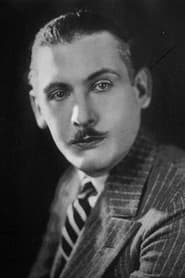
Lew Cody
Actor
Born: February 22, 1884 in Waterville, Maine, USA Died: May 31, 1934 Active: 1914-1934 Birth Name: Louis Joseph Côté
Films
8 films
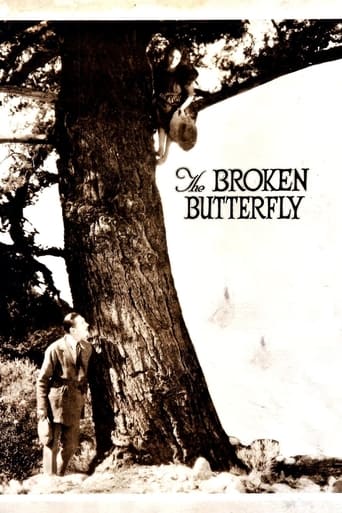
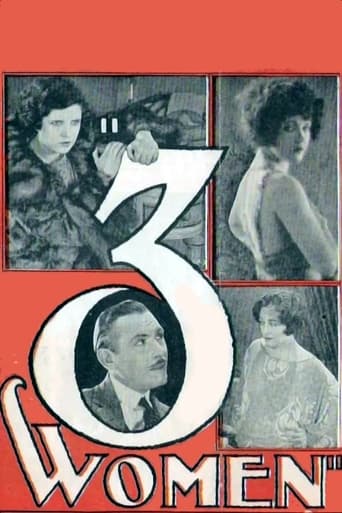
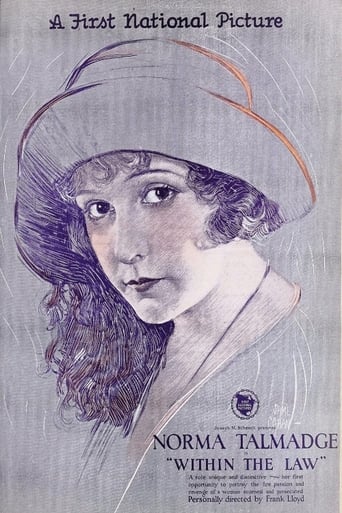
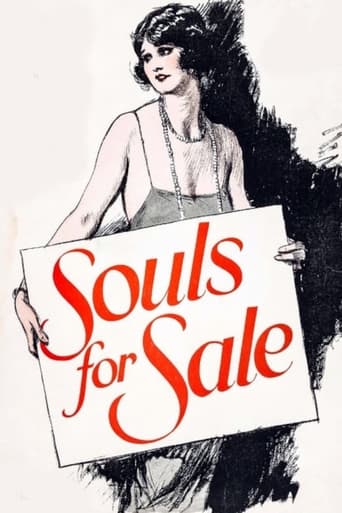
About Lew Cody
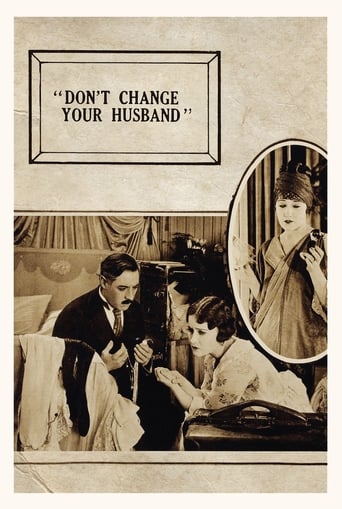
The 1919 film t Change Your Husband is the only title linked here for Lew Cody. Born Louis Joseph Côté, he began his career on Broadway before transitioning to films in the mid-1910s, quickly establishing himself as a reliable character actor. Cody worked with major studios like MGM and Paramount, appearing alongside many of the era's biggest stars including Gloria Swanson and Mae Murray. His career peaked in the 1920s with memorable roles in films like 'Don't Change Your Husband' (1919) directed by Cecil B. DeMille, where he often played the charming antagonist or sophisticated rival. Cody successfully transitioned to talkies in the early 1930s, though his film output decreased as his health declined. He was married to actress Dorothy Dalton from 1924 until his death from a heart attack at age 50 in 1934, leaving behind a legacy of memorable character performances that showcased his remarkable range as an actor.
The Craft
On Screen
Lew Cody was renowned for his sophisticated and refined acting style, often portraying smooth, charming characters who could reveal villainous tendencies when required. He possessed a natural aristocratic bearing that made him perfect for roles as wealthy businessmen, sophisticated cads, and romantic rivals. Cody's performances were marked by his expressive eyes and subtle facial expressions, which served him exceptionally well in silent films where non-verbal communication was paramount. He had a distinctive, well-modulated voice that carried effectively into the talkie era, allowing him to maintain his career when many silent actors struggled with the transition. His approach to acting was notably naturalistic compared to some of his more theatrical contemporaries, giving his characters a believable quality that audiences found compelling and authentic.
Milestones
- Broadway stage debut before films
- Transition to silent films in mid-1910s
- Peak success during the 1920s with major studios
- Successful transition to talkies in early 1930s
- Frequent collaborations with director Cecil B. DeMille
- Marriage to actress Dorothy Dalton in 1924
Best Known For
Iconic Roles
Must-See Films
Working Relationships
Worked Often With
Studios
Why They Matter
Impact on Culture
Lew Cody contributed significantly to the development of the character actor archetype in early Hollywood cinema, particularly in establishing the template for the sophisticated antagonist. His ability to play charming villains with depth and nuance helped move beyond one-dimensional characterization common in early films. Cody's successful navigation of three major transitions in cinema history—from stage to silent films, from shorts to features, and from silent to sound pictures—demonstrated the adaptability required of actors during this revolutionary period. His work with directors like Cecil B. DeMille placed him at the forefront of cinematic innovation during the formative years of Hollywood, contributing to the establishment of the studio system and the development of film acting as a distinct art form separate from stage performance.
Lasting Legacy
Lew Cody's legacy endures through his extensive body of work that spans the crucial transitional period from silent films to talkies, representing an important chapter in Hollywood history. While not as widely remembered today as some of his contemporaries, his films continue to be studied by film historians and enthusiasts interested in the development of American cinema and the evolution of acting techniques. Cody's performances serve as excellent examples of the sophisticated character acting style that helped define the Golden Age of Hollywood, particularly his ability to convey complex emotions through subtle gestures and expressions. His career trajectory also provides valuable insight into the challenges and opportunities faced by actors during the rapid technological and artistic changes of the 1920s and early 1930s.
Who They Inspired
Lew Cody influenced subsequent generations of character actors who specialized in playing sophisticated villains and charming antagonists, establishing a model for bringing depth to roles that could easily become one-dimensional. His naturalistic approach to acting, particularly his subtle use of facial expressions in silent films, demonstrated techniques that would be refined and expanded upon by later actors. Cody's ability to maintain a consistent screen persona while bringing unique nuances to each role became a template for character actors working within the studio system. His successful transition to sound pictures also provided a model for other silent film actors facing the challenge of adapting their craft to the new medium, showing how expressive silent acting could complement vocal performance rather than be replaced by it.
Off Screen
Lew Cody was known in Hollywood circles for his wit, charm, and sophisticated demeanor, making him a popular figure at social gatherings and industry events. He maintained friendships with many of the era's biggest stars, including his frequent collaborator Gloria Swanson, and was respected for his professionalism and reliability as an actor. Cody married actress Dorothy Dalton in 1924, and their marriage lasted until his death a decade later. The couple was considered one of Hollywood's more stable relationships during an era known for tumultuous romances. His sudden death from a heart attack at age 50 shocked the Hollywood community, as he appeared to be in good health and was still actively working in films. Cody was also known for his love of horses and maintained a small ranch outside Hollywood where he would retreat between film projects.
Education
Limited formal education; primarily trained through theater experience and practical acting work
Family
- Dorothy Dalton (1924-1934)
Did You Know?
- Born Louis Joseph Côté to French-Canadian parents
- Began his career on Broadway before moving to Hollywood
- Appeared in over 60 films during his 20-year career
- Was particularly skilled at playing sophisticated villains
- His death certificate listed his occupation as 'motion picture actor'
- Was 5'10" tall with dark hair and brown eyes
- Served in World War I before his film career took off
- Was a skilled horseman and owned a ranch in California
- Often typecast as 'the other man' in romantic dramas
- His final film appearance was in 'Manslaughter' (1930)
- Died suddenly of a heart attack at his Beverly Hills home
- Was cremated and his ashes were scattered at sea
In Their Own Words
The villain is always the most interesting character to play - you have so much more freedom to be creative.
In silent pictures, your eyes must do all the talking. In talkies, they must still do most of it.
Hollywood is a place where they'll pay you a thousand dollars for a kiss and fifty cents for your soul.
Frequently Asked Questions
Who was Lew Cody?
American with credits in this catalog. He appeared in over 60 films between 1914 and 1934, working with major studios and prominent directors like Cecil B. DeMille.
What films is Lew Cody best known for?
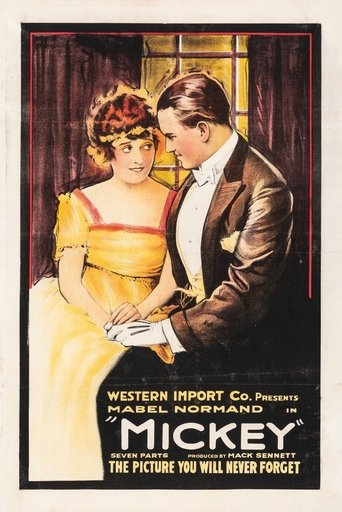
Titles linked here include Don't Change Your Husband (1919), Mickey (1918).
When was Lew Cody born and when did he die?
Born February 22, 1884; died May 31, 1934.
What was Lew Cody's acting style?
Lew Cody was known for his sophisticated and refined acting style, often playing smooth, charming characters who could reveal villainous tendencies. He excelled at using subtle facial expressions and his aristocratic bearing to create memorable characters, skills that served him well in both silent and sound films.
Who was Lew Cody married to?
Lew Cody was married to actress Dorothy Dalton from 1924 until his death in 1934. Their marriage was considered one of the more stable relationships in Hollywood during that era.
Did Lew Cody successfully transition to talkies?
Yes, Lew Cody successfully transitioned from silent films to talkies in the early 1930s. His distinctive, well-modulated voice and naturalistic acting style helped him maintain his career when many silent actors struggled with the transition to sound pictures.
What was Lew Cody's real name?
Lew Cody's birth name was Louis Joseph Côté. He adopted the stage name 'Lew Cody' when he began his acting career, choosing a more American-sounding name that would be easier for audiences to remember and pronounce.