

Souls for Sale
"Small-town girl chases stardom in Hollywood"
Keys: Space play/pause · ←/→ 10s · F fullscreen · M mute · </> speed
About this film
A young woman hits Hollywood, determined to become a star.
Cast & crew
More Comedy films
View all →






More about this film
About the production
Release dateMarch 25, 1923
ProductionGoldwyn Pictures Corporation
Filmed inHollywood, California, Goldwyn Studios
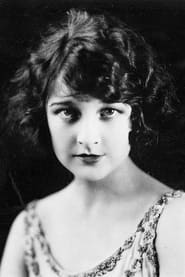
The film featured numerous real Hollywood celebrities making cameo appearances as themselves, including Charlie Chaplin, Zasu Pitts, and director King Vidor. The production utilized actual Hollywood locations and studios, giving it an authentic behind-the-scenes feel. Eleanor Boardman won the role through a magazine contest called 'The Girl Who Should Be Famous,' which generated significant publicity for the film.
Themes
Hollywood corruptionThe price of fameInnocence vs. experienceAuthenticity vs. artificeWomen's independence
Themes & topics
Historical background
Made during the studio era of 1923, Souls for Sale reached audiences through theatrical programs, fairground booths, or specialized distribution channels typical of its generation. A young woman hits Hollywood, determined to become a. Historians now read such works for what they reveal about production methods, national taste, and the expanding vocabulary of screen narrative.
Why this film matters
Archivists and programmers still screen Souls for Sale when tracing how popular entertainment evolved. Its subject—a young woman hits hollywood, determined to become a—gives later viewers tangible evidence of what drew crowds in the silent period. Home video, restorations, and festival sidebars keep the title circulating among students of film history.
Making of
The making of 'Souls for Sale' was as fascinating as its subject matter. Eleanor Boardman's discovery through a magazine contest was a major publicity coup for Goldwyn Pictures. The film's production was given unprecedented access to real Hollywood studios and sets, allowing for authentic behind-the-scenes footage. Director Rupert Hughes, being an industry insider, was able to coax real celebrities into making cameo appearances. The film's honest portrayal of Hollywood's seedier side caused tension within the industry, with some studio executives worried it would expose too much. The production faced challenges in balancing authenticity with entertainment value, ultimately creating a film that was both a revealing expose and a compelling drama.
What critics said
Original trade coverage treated Souls for Sale as routine program filler rather than a landmark production—typical of steady studio output. Later criticism emphasizes preservation, stylistic comparison with contemporaries, and whatever cast or crew names later gained prominence. Contemporary writing is mostly historical: assessing completeness, influence, and place in a director's or studio's catalog.
Did you know?
- Eleanor Boardman won her role through a nationwide contest sponsored by Goldwyn Pictures and Photoplay magazine, receiving over 85,000 entries.
- The film features over 40 real Hollywood stars in cameo appearances, including Charlie Chaplin, Erich von Stroheim, and Zasu Pitts.
- Director Rupert Hughes was the uncle of billionaire Howard Hughes and a prolific writer and filmmaker.
- The movie was considered remarkably honest in its portrayal of Hollywood's dark side, including drug addiction and casting couch scenarios.
- Many of the film's scenes were shot on actual Hollywood sets during real productions, making it one of the first meta-commentaries on the film industry.
- The original story was written by Rupert Hughes as a serial in the Saturday Evening Post before being adapted for the screen.
- The film's title was considered controversial at the time for its implication about the morality of the film industry.
- Real Hollywood scandals of the era were thinly veiled in the film's narrative, causing controversy within the industry.
- The production used both professional actors and actual studio personnel to enhance authenticity.
- The film was one of the first to explore the concept of celebrity culture and its impact on ordinary people.
Visual style
The cinematography by Ira H. Morgan and John W. Boyle was praised for its authentic representation of Hollywood studios and locations. The film utilized actual studio sets and equipment, giving viewers an unprecedented look at the technical aspects of filmmaking. The camera work captured both the grandeur of Hollywood productions and the cramped reality of studio backlots. The filmmakers employed innovative techniques to show the filmmaking process, including shots of camera crews, lighting setups, and editing rooms. The contrast between the polished look of the films-within-the-film and the gritty reality behind the scenes was achieved through careful lighting and composition choices.
Innovations
The film's most significant technical achievement was its extensive use of actual Hollywood locations and real film productions as settings. This approach provided an unprecedented level of authenticity for a film about the movie industry. The production employed innovative camera techniques to capture both the spectacle of filmmaking and the intimate moments behind the scenes. The film's structure, incorporating both narrative drama and documentary-style footage of real Hollywood operations, was ahead of its time. The seamless integration of celebrity cameos with the main story required careful planning and coordination, demonstrating sophisticated production management for the era.
Music
As a silent film, 'Souls for Sale' would have been accompanied by live musical performances during its theatrical run. The original score was composed by William Axt, who was one of Goldwyn Pictures' staff composers. The music would have varied between romantic themes for the love story, dramatic passages for the industry expose elements, and lighter pieces for the comedic moments. The score likely incorporated popular songs of the era to enhance audience connection. Modern screenings typically feature newly composed scores or period-appropriate compiled music to recreate the silent film experience.
What audiences thought
The film was a commercial success upon its release, drawing audiences curious about the real workings of Hollywood. Eleanor Boardman's discovery story generated significant public interest, with many viewers following her journey from contest winner to leading lady. The film's mix of romance, drama, and behind-the-scenes revelations appealed to both general audiences and those interested in the film industry. Contemporary reports indicate that audiences were particularly fascinated by the celebrity cameos and authentic studio settings. The movie's honest portrayal of Hollywood's darker aspects resonated with viewers who suspected there was more to the film industry than the glamorous image presented in fan magazines.
Film connections
Influenced by
- What Price Hollywood?
- A Star Is Born
- Sunset Boulevard
- The Bad and the Beautiful
- influencedFilms
Where to watch
- Internet Archive: https://archive.org/details/SoulsForSale1923
- Wikimedia Commons: https://commons.wikimedia.org/wiki/File:Souls%20For%20Sale%20(1923).webm