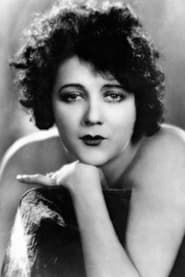
Barbara La Marr
Actor
Born: July 28, 1896 in Yakima, Washington, USA Died: January 30, 1926 Active: 1920-1926 Birth Name: Reatha Dale Watson
Films
4 films
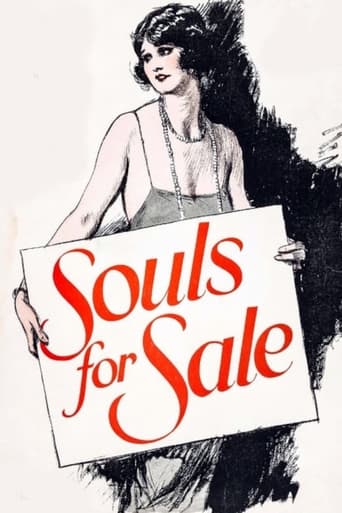
About Barbara La Marr
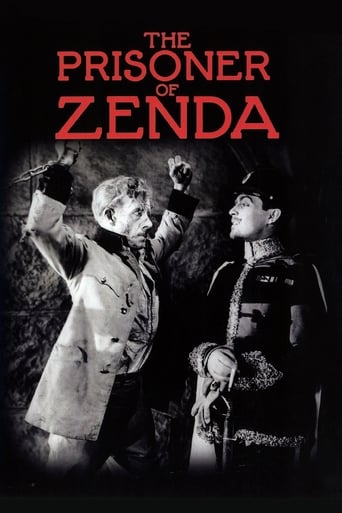
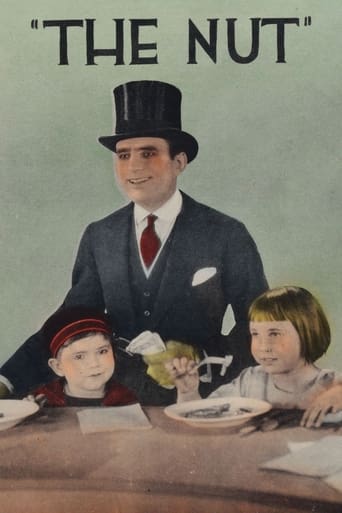
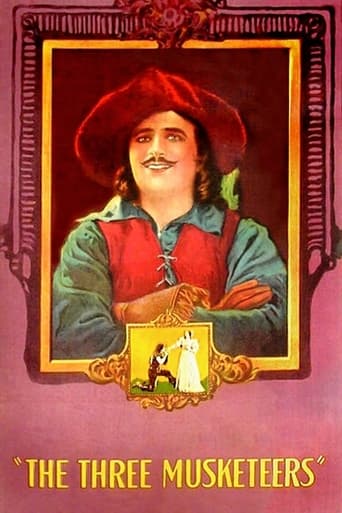
Barbara La Marr, born Reatha Dale Watson, emerged as captivating and tragic stars of the silent film era, earning the nickname 'The Girl Who Is Too Beautiful' after a newspaper headline declared her beauty too overwhelming for the screen. She began her entertainment career as a dancer and screenwriter, writing scripts for films before being discovered by director Rex Ingram while performing in a nightclub. Her acting career exploded with her starring debut in 'The Nut' (1921), followed by leading roles in major productions like 'The Three Musketeers' (1921), 'The Prisoner of Zenda' (1922), and 'Souls for Sale' (1923). Despite her meteoric rise to fame and becoming one of Hollywood's highest-paid stars, La Marr's personal life was tumultuous, marked by five marriages, wild parties, and a reputation as Hollywood's 'bad girl.' Her health rapidly deteriorated due to tuberculosis, exhaustion from overwork, and possibly substance abuse, leading to her tragic death at just 29 years old in 1926. In her brief five-year career, she appeared in over 30 films, with lasting influence on silent cinema and becoming an enduring symbol of Hollywood's glamour and tragedy.
The Craft
On Screen
Barbara La Marr specialized in playing seductive femme fatales and exotic, mysterious women, using her striking dark beauty and intense screen presence to captivate audiences. Her acting was dramatic and emotional, with expressive eyes and graceful movements that perfectly suited the silent film era's reliance on physical performance. She brought a worldly sophistication and dangerous allure to her roles, making her particularly effective in costume dramas and romantic melodramas. Her performances combined sensuality with vulnerability, creating complex characters that audiences found both alluring and sympathetic.
Milestones
- Discovered by director Rex Ingram while dancing in a nightclub
- Starred in 'The Nut' (1921) - her film debut
- Played Milady de Winter in 'The Three Musketeers' (1921) opposite Douglas Fairbanks
- Starred as Princess Flavia in 'The Prisoner of Zenda' (1922)
- Led the cast in 'Souls for Sale' (1923), a film about Hollywood itself
- Became one of the highest-paid actresses of the silent era
- Adopted a son in 1923, three years before her death
Best Known For
Iconic Roles
Must-See Films
Accolades
Won
- Hollywood Walk of Fame Star (located at 1621 Vine Street)
Special Recognition
- One of the WAMPAS Baby Stars of 1922
- Named 'The Girl Who Is Too Beautiful' by the press
- Ranked among the top box office stars of the early 1920s
Working Relationships
Worked Often With
Studios
Why They Matter
Impact on Culture
Barbara La Marr's impact on cinema and culture extends far beyond her brief five-year film career, as she became an archetype of the tragic Hollywood beauty whose life was as dramatic as any screenplay. Her discovery story and rapid rise to fame established a narrative template that Hollywood would repeat with countless stars who followed. She was among the first actresses to be marketed primarily for her physical beauty, setting a precedent for how studios would promote and position female stars. Her lifestyle and early death contributed to the mythology of Hollywood as both a dream factory and a destroyer of souls, a narrative that would define public perception of the film industry for decades. La Marr's image as the exotic, dangerous beauty influenced the development of the femme fatale archetype that would become central to film noir in the 1940s and 1950s.
Lasting Legacy
Barbara La Marr's legacy endures as one of silent cinema's most memorable and tragic figures, representing both the glamour and perils of early Hollywood stardom. Despite making over 30 films in just five years, many of her movies have been lost to time, making her surviving performances all the more precious to film historians and silent cinema enthusiasts. Her story has become part of Hollywood lore, frequently cited as an early example of the 'live fast, die young' narrative that would later be associated with stars like James Dean and Marilyn Monroe. The Hollywood Walk of Fame star bearing her name ensures her place in cinema history, while film preservationists continue to seek out and restore her remaining work. La Marr's influence can be seen in how later actresses would balance the demands of stardom with personal well-being, learning from the tragic example of her meteoric rise and fall.
Who They Inspired
Barbara La Marr's influence on subsequent generations of performers is primarily seen through her screen persona and the cautionary tale of her life. Her portrayal of complex, seductive women helped establish the template for the femme fatale character that would become a staple of American cinema, particularly in film noir. Later actresses who specialized in playing dangerous, alluring women, from Barbara Stanwyck to Lana Turner, owed a debt to La Marr's work in creating this archetype. Her tragic story also influenced how Hollywood studios began to manage their stars' personal lives, with studios becoming more protective and controlling of their contract players' images and behaviors. The mythology surrounding her beauty and early death continues to fascinate filmmakers, with her life story serving as inspiration for numerous books, documentaries, and fictionalized accounts of silent-era Hollywood.
Off Screen
Barbara La Marr's personal life was as dramatic as any of her film roles, marked by a series of marriages, affairs, and a reputation for living life to the fullest. She married five times, beginning with Lydell McCullum when she was just 17, and ending with Jack Dougherty, who was with her when she died. Despite her wild reputation, she was known to be generous and kind-hearted, often helping struggling actors and crew members. In 1923, she adopted a baby boy named Marvin Carville La Marr, whom she adored despite her declining health. Her lifestyle of late nights, heavy partying, and overwork contributed to her early demise, making her one of Hollywood's first tragic stars who 'burned bright and fast.'
Education
Limited formal education; she ran away from home as a teenager and began working as a dancer and later as a reporter for a newspaper in Los Angeles
Family
- Lydell 'Jack' McCullum (1913-1914)
- Lawrence Converse (1914-1915)
- Phil Ainsworth (1916-1918)
- Ben Deeley (1918-1921)
- Jack Dougherty (1923-1926)
Did You Know?
- She was nicknamed 'The Girl Who Is Too Beautiful' after a newspaper headline declared her beauty too overwhelming for the screen
- She wrote screenplays under the name of Reatha Watson before becoming an actress
- She was discovered dancing in a nightclub by director Rex Ingram
- She married five times before her death at age 29
- She adopted a son just three years before her death
- She was known to work on multiple films simultaneously, sometimes sleeping only 2-3 hours per night
- Her death certificate listed tuberculosis and nephritis as causes of death
- She was
- She once worked as a reporter for the Los Angeles Times
- She was known for her distinctive dark, exotic looks which set her apart from the fair-haired actresses popular at the time
- Her funeral was one of the largest Hollywood had seen up to that time
- Many of her films have been lost, making surviving ones particularly valuable to film historians
In Their Own Words
Life is too short to be little
I'd rather be a first-class version of myself than a second-class version of someone else
Beauty is a curse in this business. You're not taken seriously as an actress
I work hard and I play hard. Life is for living
The camera doesn't lie, but it can be very cruel
Frequently Asked Questions
Who was Barbara La Marr?
Popular and beautiful silent film actress of the early 1920s, known as 'The Girl Who Is Too Beautiful.' She starred in films like 'The Three Musketeers' and 'The Prisoner of Zenda' before her tragic death at age 29 in 1926.
What films is Barbara La Marr best known for?
Titles linked here include The Three Musketeers (1921), The Prisoner of Zenda (1922).
When was Barbara La Marr born and when did she die?
Born July 28, 1896; died January 30, 1926.
What awards did Barbara La Marr win?
During the silent era, formal awards like the Academy Awards were not yet established. However, she was named one of the WAMPAS Baby Stars of 1922 and received a star on the Hollywood Walk of Fame posthumously for her contributions to cinema.
What was Barbara La Marr's acting style?
La Marr specialized in playing seductive femme fatales and exotic women, using her striking beauty and intense screen presence to captivate audiences. Her dramatic, emotional acting style with expressive eyes and graceful movements perfectly suited the silent film era's reliance on physical performance.
How many times was Barbara La Marr married?
Barbara La Marr was married five times between 1913 and her death in 1926, to Lydell McCullum, Lawrence Converse, Phil Ainsworth, Ben Deeley, and Jack Dougherty. Her multiple marriages were considered scandalous in the conservative 1920s.
Why was Barbara La Marr called 'The Girl Who Is Too Beautiful'?
She earned this nickname after a newspaper headline declared her beauty too overwhelming for the screen. The title stuck and became part of her public persona, emphasizing her status as one of Hollywood's most stunning actresses of the silent era.
What was the cause of Barbara La Marr's death?
Her official death certificate listed tuberculosis and nephritis (kidney disease) as causes of death, but her lifestyle of overwork, partying, and exhaustion likely contributed to her declining health and early death at age 29.