


The Three Musketeers
"In 17th century France."
Keys: Space play/pause · ←/→ 10s · F fullscreen · M mute · </> speed
About this film
In 17th century France, young D'Artagnan wants to join the King's Musketeers, but instead befriends three legendary musketeers—Athos, Porthos, and Aramis—and together, they become embroiled in the political intrigue surrounding King Louis XIII and his adversaries, particularly the powerful Cardinal Richelieu.
Cast & crew
More films like this
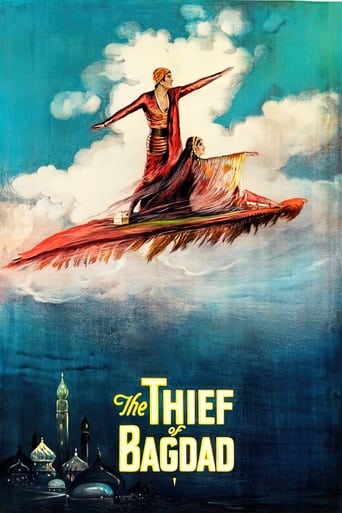

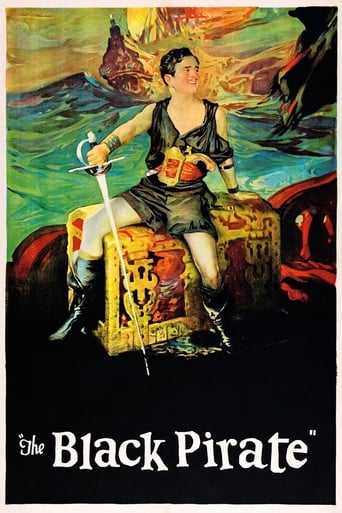
More Action films
View all →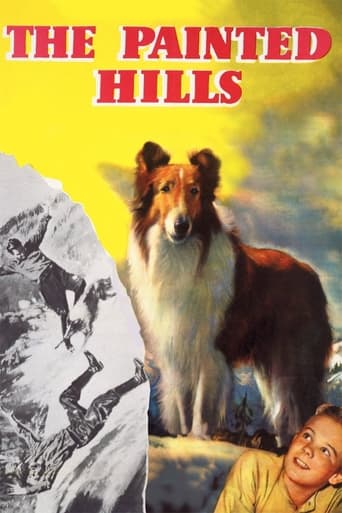
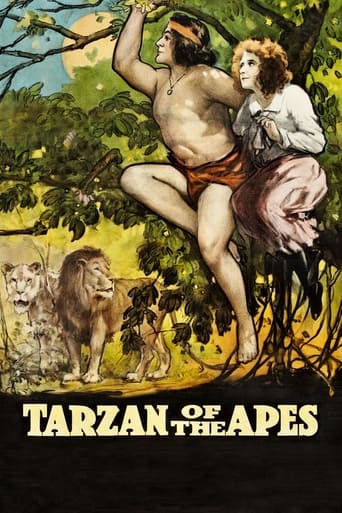
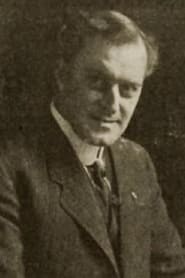
More from Fred Niblo
View all →
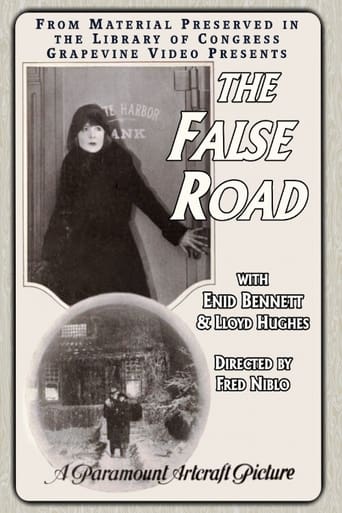
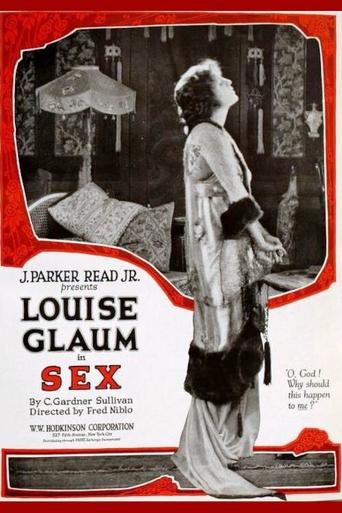
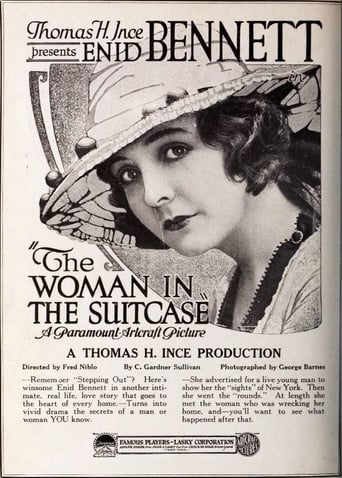
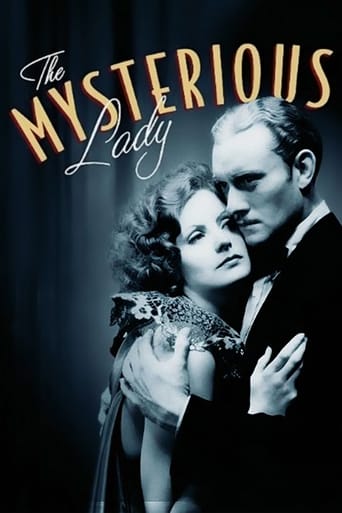
More about this film
About the production
Release dateAugust 28, 1921
Budget$500,000 (a massive sum for 1921, making it among the costliest films of its time)
Box officeThe film was a tremendous commercial success, earning over $1.5 million at the box office and becoming one of the highest-grossing films of 1921
ProductionDouglas Fairbanks Pictures Corporation, United Artists
Filmed inFairbanks Studio in Hollywood, California, Various locations in California for exterior shots
The film featured some of the most elaborate sets ever constructed for a silent film, including full-scale reproductions of 17th-century French architecture. Fairbanks insisted on performing all his own stunts, including dangerous sword fights and acrobatic sequences. The production employed over 3,000 extras and took nearly six months to complete, an unusually long shooting schedule for the era.
Themes
Honor and loyaltyComing of agePolitical intrigueFriendship and brotherhoodLove and romance
Themes & topics
musketeerssword fighting17th century Francecardinalpolitical intrigueadventureswashbucklerrevengediamond necklaceroyal scandal
Historical background
Exhibitors around 1921 slotted The Three Musketeers into mixed bills where shorts, newsreels, and features shared the same program.
Why this film matters
Restorations and festival bookings keep The Three Musketeers visible among classic-film communities.
Making of
The production was a massive undertaking that required unprecedented resources. Fairbanks, who had creative control as a co-founder of United Artists, spared no expense in bringing Alexandre Dumas's novel to life. The famous wall-scaling sequence, where Fairbanks runs up a wall to perform a backflip, was rehearsed for weeks and required special rigging hidden from camera view. The cast underwent intensive fencing training for months before filming began. Director Fred Niblo and Fairbanks collaborated closely on the action sequences, with Fairbanks contributing many of the athletic innovations that would become his trademark. The film's elaborate banquet scenes required hundreds of period-accurate props and costumes, some of which were authentic 17th-century pieces borrowed from European collections.
What critics said
Modern retrospectives screen The Three Musketeers to illustrate 1921 pacing and camera norms.
Did you know?
- Douglas Fairbanks was so dedicated to authenticity that he grew his own mustache for the role rather than using a fake one
- The film's success led Fairbanks to establish himself as the premier swashbuckling star of the silent era
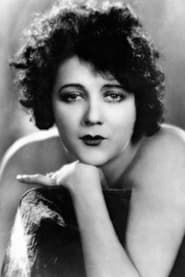
- Barbara La Marr's performance as Milady de Winter was so compelling that she became an overnight sensation and major star
- The sword fighting sequences were choreographed by Fairbanks himself, who was an accomplished fencer in real life
- The film's budget was equivalent to over $7 million in today's money, making it a blockbuster production
- Fairbanks performed a famous running leap onto a moving carriage that became among the leading talked-about stunts of the decade
- The diamond necklace prop was made with real diamonds and was worth $50,000 at the time
- The film was one of the first to use the 'all for one, one for all' motto in its marketing, cementing it in popular culture
- Fairbanks was 38 years old when he played the young d'Artagnan, requiring extensive makeup to appear younger
- The film's success directly led to Fairbanks founding his own production company and having more creative control
Visual style
The cinematography by Arthur Edeson and Victor Milner was revolutionary for its time, featuring dynamic camera movements that followed the action sequences. The film employed innovative techniques including tracking shots during chase scenes and dramatic low-angle shots to emphasize Fairbanks's athletic prowess. The lighting design created dramatic shadows that enhanced the swashbuckling atmosphere, particularly in the night scenes and sword fights. The cinematography also made effective use of the elaborate sets, using depth and perspective to create the illusion of grand scale. The film's visual style influenced the look of adventure films for decades.
Innovations
The film pioneered several technical innovations in action cinematography. The famous wall-scaling sequence required the development of special camera rigs to capture Fairbanks's acrobatics from multiple angles. The production used newly developed panchromatic film stock for certain scenes, allowing for better contrast in night sequences. The sword fighting sequences employed innovative editing techniques to create the illusion of continuous action while maintaining actor safety. The film also featured some of the earliest uses of matte paintings to extend sets and create the illusion of larger environments. These technical achievements set new standards for action film production.
Music
As a silent film, The Three Musketeers was originally accompanied by live musical scores performed in theaters. The suggested orchestral score was composed by James Bradford and featured sweeping romantic themes and dramatic action cues. Many theaters employed full orchestras to perform the score, while smaller venues used piano or organ accompaniment. The music incorporated popular French melodies of the 17th-century period to enhance the historical setting. Modern restorations have been released with newly composed scores by silent film specialists, including versions by the Mont Alto Motion Picture Orchestra and the Alloy Orchestra.
Famous quotes
All for one, and one for all!" (The motto of the musketeers, repeated throughout the film)
I have but one sword, but it is a good one!" (d'Artagnan before his first duel)
A gentleman does not fight without a cause." (Athos to d'Artagnan)
The Queen's honor is the honor of France!" (d'Artagnan to his companions)
Cardinal, your game is up!" (d'Artagnan confronting Richelieu)
Memorable scenes
- The opening sequence where d'Artagnan arrives in Paris and immediately challenges three musketeers to duels simultaneously
- The famous wall-scaling scene where Fairbanks runs up a wall and performs a backflip to escape his enemies
- The elaborate sword fight in the tavern where the four musketeers battle dozens of Cardinal's guards
- The tense scene where d'Artagnan must retrieve the diamond necklace from the Duke of Buckingham
- The climactic confrontation with Milady de Winter at the convent, featuring dramatic swordplay and high emotion
What audiences thought
The film was an overwhelming success with audiences, breaking box office records across the country. Movie theaters reported sell-out crowds for weeks, with many venues adding extra showings to meet demand. Fairbanks received thousands of fan letters praising his performance, and the film made him especially beloved stars of the era. Audience reactions were particularly enthusiastic about the sword fighting sequences, which often elicited cheers and applause in theaters. The film's popularity extended internationally, with successful runs in Europe and even in countries where American films were typically less popular.
Film connections
Influenced by
- Alexandre Dumas's 1844 novel 'The Three Musketeers'
- Earlier stage adaptations of the novel
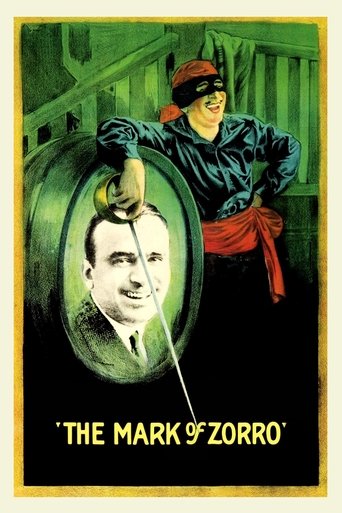
- Fairbanks's previous success with 'The Mark of Zorro' (1920)
This film influenced
- The Iron Mask (1929)
- The Three Musketeers (1935)
- The Adventures of Robin Hood (1938)
- The Prisoner of Zenda (1937)
- Countless later swashbuckling films and adventure movies
Film restoration
The film has been well-preserved with complete copies existing in major archives including the Library of Congress and the Museum of Modern Art. A restored version was released by Kino International in 2006, featuring a newly commissioned musical score. The restoration was undertaken using the best available 35mm elements and has preserved the film's original tints and tones. The film was selected for preservation in the United States National Film Registry in 1993, being deemed 'culturally, historically, or aesthetically significant.'
Where to watch
- Available on Blu-ray and DVD from Kino Lorber
- Streaming on The Criterion Channel
- Available for digital rental/purchase on Amazon Prime Video and Apple TV
- Occasionally broadcast on Turner Classic Movies
- Can be viewed at film archives and museums including the Museum of Modern Art