
Marguerite De La Motte
Actor
Born: June 22, 1902 in Duluth, Minnesota, USA Died: March 10, 1950 Active: 1919-1942
Films
6 films
About Marguerite De La Motte
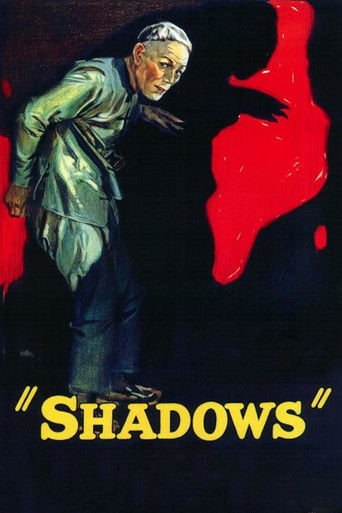
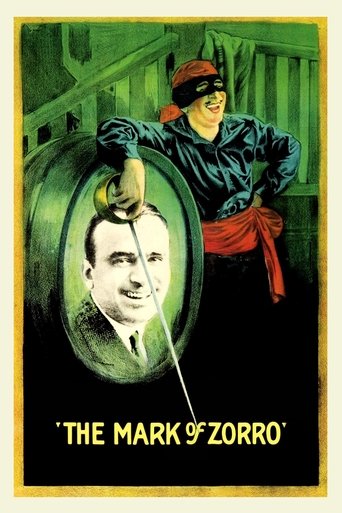
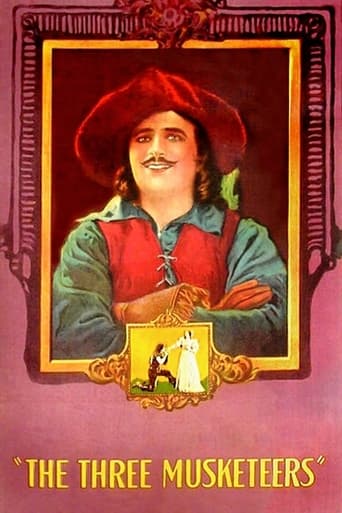
Prominent American silent film actress who rose to fame in the early 1920s as one of Douglas Fairbanks' leading ladies. Born in Minnesota, she began her career as an artist's model before being discovered by director James Kirkwood and making her film debut in 1919. Her breakthrough came with her role as Lolita opposite Douglas Fairbanks in The Mark of Zorro (1920), which established her as a popular leading lady in adventure films. She continued her success with roles in The Three Musketeers (1921) and other Fairbanks productions, showcasing her athletic abilities and graceful screen presence. De La Motte also demonstrated dramatic range in critically acclaimed films like Tom Forman's Shadows (1922). As the transition to sound cinema began, her career declined, though she did appear in a few early talkies. She largely retired from acting in the early 1930s, leaving behind a legacy as one of the silent era's most memorable adventure film heroines.
The Craft
On Screen
Marguerite De La Motte embodied the classic silent film heroine with her expressive eyes, graceful movements, and emotional depth. Her acting style relied heavily on visual storytelling, using subtle facial expressions and body language to convey complex emotions. She was particularly adept at portraying both vulnerability and strength, making her ideal for adventure films where her characters often found themselves in perilous situations. Her athletic abilities allowed her to perform many of her own stunts in action sequences, adding authenticity to her swashbuckling roles. Like many silent era actors, she had to adapt her style for sound films, though her transition proved challenging as the industry changed.
Milestones
- Breakthrough role as Lolita in The Mark of Zorro (1920)
- Starring opposite Douglas Fairbanks in multiple swashbuckling adventures
- Critically acclaimed performance in Shadows (1922)
- Transition from silent films to early talkies
- Leading lady status during the golden age of silent cinema
Best Known For
Iconic Roles
Must-See Films
Working Relationships
Worked Often With
Studios
Why They Matter
Impact on Culture
Marguerite De La Motte contributed significantly to the development of the adventure film genre during the silent era, particularly through her work with Douglas Fairbanks. Her portrayals of strong yet feminine characters helped establish the archetype of the adventure film heroine who could be both romantic interest and capable participant in the action. Her performances in films like The Mark of Zorro and The Three Musketeers set standards for visual storytelling in action cinema, demonstrating how female characters could be integral to swashbuckling narratives beyond being mere damsels in distress. Her work in dramatic films like Shadows showed her versatility and helped expand the range of roles available to actresses in silent cinema.
Lasting Legacy
Marguerite De La Motte's legacy endures through her classic silent film performances that continue to be studied and appreciated by film historians and enthusiasts. She represents the transition from the early days of cinema to the sophisticated star system of the 1920s, embodying the qualities that made silent film stars so captivating to audiences of their time. Her collaborations with Douglas Fairbanks produced some of the most enduring adventure films of the silent era, which remain influential in the action genre today. While her career was relatively brief compared to some of her contemporaries, her impact on the development of the adventure film heroine archetype continues to be recognized in film scholarship.
Who They Inspired
While direct documentation of her influence on other actors is limited, Marguerite De La Motte's work helped establish conventions for female characters in adventure films that would influence subsequent generations of actresses. Her ability to balance vulnerability with strength in action sequences provided a template for future adventure film heroines. Her successful transition from dramatic roles to action films demonstrated the versatility required of leading ladies in silent cinema, influencing how studios approached casting for their productions. The technical aspects of her performances, particularly her stunt work and physical acting, contributed to the development of action choreography in early cinema.
Off Screen
Marguerite De La Motte married twice during her lifetime. Her first marriage was to actor and director John Bowers in 1924, though the marriage ended in divorce. She later married Crawford Kent, a real estate executive, with whom she remained until her death. After retiring from films, she largely stayed out of the public eye and focused on her family life. She had one son from her second marriage. Her later years were spent away from Hollywood, and she passed away in San Francisco at the age of 47.
Education
Limited information available about her formal education
Family
- John Bowers (1924-1925)
- Crawford Kent (1929-1950)
Did You Know?
- She began her career as an artist's model before being discovered for films
- Her role in The Mark of Zorro was her breakthrough performance at age 18
- She performed many of her own stunts in Douglas Fairbanks films
- She was one of the few actresses to work consistently with Fairbanks in his prime
- Her first husband, John Bowers, was a prominent silent film actor who later committed suicide
- She successfully transitioned from dramatic films to action/adventure roles
- After retiring from films, she worked as a real estate agent
- She was known for her distinctive dark beauty and expressive eyes
- Her active years covered the entire silent era, from 1919 to the transition to sound
- She appeared in both independent and major studio productions
In Their Own Words
In the silent pictures, you had to use your eyes and your body to tell the story. Words came later.
Working with Doug Fairbanks was like being in the circus - exciting, dangerous, and wonderful all at once.
Frequently Asked Questions
Who was Marguerite De La Motte?
Prominent American silent film actress best known for her roles as Douglas Fairbanks' leading lady in adventure films like The Mark of Zorro and The Three Musketeers during the early 1920s.
What films is Marguerite De La Motte best known for?
Titles linked here include The Mark of Zorro (1920), The Three Musketeers (1921).
When was Marguerite De La Motte born and when did she die?
Born June 22, 1902; died March 10, 1950.
What awards did Marguerite De La Motte win?
While she was a popular and critically acclaimed actress during the silent era, there are no documented major awards or honors specifically recognizing her contributions to cinema.
What was Marguerite De La Motte's acting style?
Her acting style embodied classic silent film techniques with expressive eyes, graceful movements, and emotional depth, relying heavily on visual storytelling and physical performance, particularly excelling in adventure films where she performed many of her own stunts.
Did Marguerite De La Motte successfully transition to sound films?
Like many silent era stars, De La Motte struggled with the transition to sound films, appearing in only a few early talkies before largely retiring from acting by the early 1930s as her career declined with the industry changes.