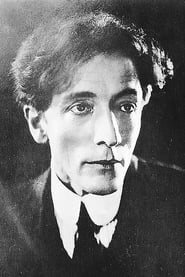
Nigel De Brulier
Actor
Born: July 8, 1877 in Bristol, England Died: January 30, 1948 Active: 1915-1937
Films
11 films

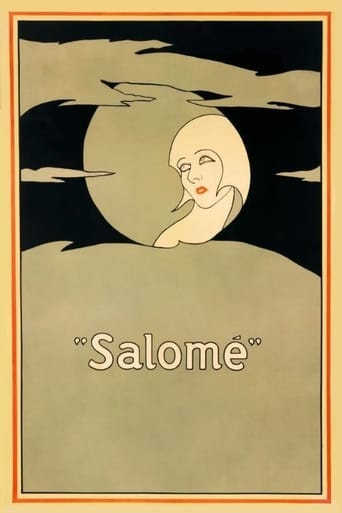

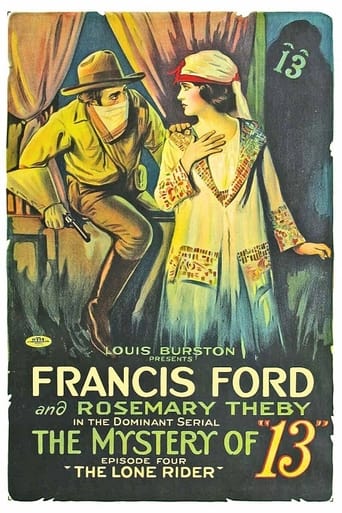
About Nigel De Brulier
British character actor who found great success in American silent cinema — known for his commanding presence and aristocratic bearing. Born in Bristol, England, he began his career on the London stage before transitioning to films in the United States around 1915. His tall, gaunt frame and piercing eyes made him perfectly suited for playing authority figures, religious leaders, and villains throughout the silent era. De Brulier became particularly famous for his portrayal of Cardinal Richelieu in multiple adaptations of 'The Three Musketeers,' establishing him as the definitive screen interpreter of the role. He worked with prominent directors of the era including Cecil B. DeMille, Rupert Julian, and Wallace Worsley, appearing in numerous prestigious productions. His the entire silent period and successfully transitioned into early sound films before his retirement in the late 1930s. De Brulier's legacy lies in his ability to bring depth and menace to supporting roles, creating memorable characters that elevated the films in which he appeared.
The Craft
On Screen
De Brulier was known for his commanding screen presence and theatrical acting style typical of the silent era. He employed exaggerated gestures and intense facial expressions to convey emotion, utilizing his tall, gaunt frame and piercing eyes to create imposing characters. His performances were characterized by a dignified, aristocratic bearing that made him particularly effective in roles of authority and villainy. De Brulier had a distinctive voice that served him well in the transition to sound films, allowing him to maintain his typecasting as authority figures and religious leaders.
Milestones
- Stage debut in London theater companies
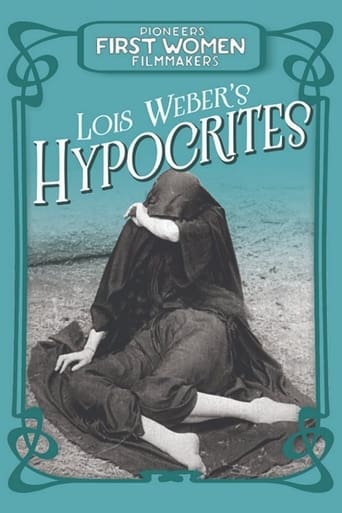
- Film debut in 'Hypocrites' (1915)
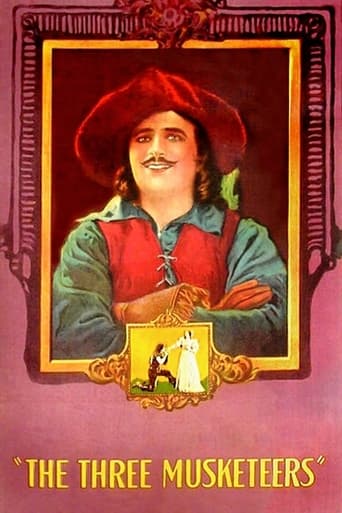
- Breakthrough role as Cardinal Richelieu in 'The Three Musketeers' (1921)
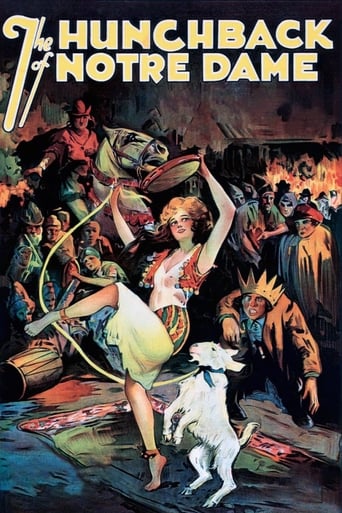
- Memorable performance as Claude Frollo in 'The Hunchback of Notre Dame' (1923)
- Portrayal of Rameses in Cecil B. DeMille's 'The Ten Commandments' (1923)
- Successful transition to sound films in the early 1930s
- Final film appearance in 'The Prisoner of Zenda' (1937)
Best Known For
Iconic Roles
Must-See Films
Accolades
Special Recognition
- Star on the Hollywood Walk of Fame (for contributions to motion pictures)
Working Relationships
Worked Often With
Studios
Why They Matter
Impact on Culture
Nigel De Brulier significantly influenced the archetype of the villainous aristocrat in silent cinema, establishing a template for character actors playing authority figures. His portrayal of Cardinal Richelieu became so iconic that it influenced subsequent interpretations of the character in later film adaptations. De Brulier's work helped elevate the importance of supporting characters in silent films, demonstrating how well-crafted antagonists could enhance the dramatic tension and overall quality of motion pictures. His successful transition from stage to film and then to sound cinema served as a model for other theater actors seeking careers in motion pictures.
Lasting Legacy
Nigel De Brulier's legacy endures through his memorable performances in some of the most significant films of the silent era. His portrayal of Cardinal Richelieu remains. De Brulier is remembered as. His work continues to be studied by film scholars and appreciated by silent film enthusiasts for its technical skill and dramatic power. The preservation of his films ensures that future generations can appreciate his contributions to early cinema.
Who They Inspired
De Brulier influenced subsequent generations of character actors, particularly those specializing in villainous or authoritative roles. His technique of using physical presence and subtle gestures to convey menace became a model for actors playing similar characters. His success in portraying historical figures like Cardinal Richelieu set a standard for authenticity and gravitas in period films. Many later actors cited his performances as inspiration for their own portrayals of aristocratic and religious characters in historical dramas.
Off Screen
Nigel De Brulier married actress Rita Stanwood in 1915, and the couple remained together until his death in 1948. They had one child together. De Brulier was known for his dedication to his craft and maintained a reputation as a reliable professional throughout his career. He became a naturalized American citizen while maintaining strong ties to his British heritage. After retiring from acting, he lived quietly in Los Angeles until his death from natural causes at age 70.
Education
Trained in classical theater in London before moving to the United States
Family
- Rita Stanwood (1915-1948)
Did You Know?
- — classically trained stage actor before entering films
- His distinctive appearance made him a natural for villainous roles
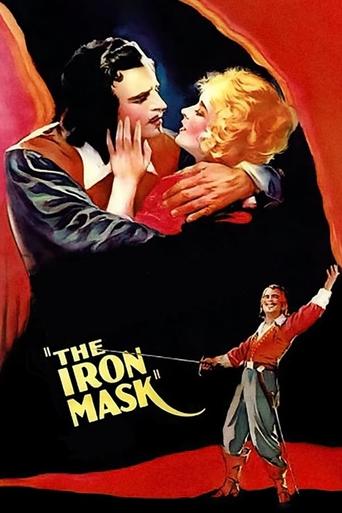
- Played Cardinal Richelieu in at least three different film adaptations
- Was one of the few silent era actors who successfully transitioned to sound films
- Often worked with horror icon Lon Chaney in the early 1920s
- His height (over 6 feet) contributed to his imposing screen presence
- Spoke multiple languages, which helped him in international productions
- Was known for his professionalism and reliability on set
- Appeared in over 80 films during his career
- Retired from acting in 1937 but lived another 11 years
In Their Own Words
The camera is a merciless instrument - it reveals every thought, every emotion that crosses your face.
In the silent era, we had to paint with our bodies and our eyes; words were a luxury we couldn't afford.
Playing villains requires finding the humanity in their evil, otherwise they become caricatures rather than characters.
Frequently Asked Questions
Who was Nigel De Brulier?
British character with credits in this catalog. He was particularly famous for his portrayal of Cardinal Richelieu in multiple 'Three Musketeers' adaptations and appeared in many classic silent films of the 1920s.
What films is Nigel De Brulier best known for?
Titles linked here include The Three Musketeers (1921), The Hunchback of Notre Dame (1923).
When was Nigel De Brulier born and when did he die?
Born July 8, 1877; died January 30, 1948.
What awards did Nigel De Brulier win?
While De Brulier did not receive major acting awards during his career, he was honored with a star on the Hollywood Walk of Fame for his contributions to motion pictures. His recognition came primarily through the respect of his peers and the lasting impact of his performances.
What was Nigel De Brulier's acting style?
De Brulier employed a theatrical acting style typical of the silent era, using exaggerated gestures and intense facial expressions to convey emotion. His tall, gaunt frame and piercing eyes created an imposing presence perfect for authority figures and villains. He successfully transitioned to sound films, utilizing his distinctive voice to maintain his typecasting.