
The Virgin of Stamboul
"American lover rescues girl from Turkish chieftain"
Keys: Space play/pause · ←/→ 10s · F fullscreen · M mute · </> speed
About this film
Achmet Bey, a Turkish chieftain, catches one of his many wives in adultery and murders her lover. Throwing aside the cuckolding wife, he abducts his harem an innocent girl. However, a brave American who loves her comes to her rescue.
Cast & crew
More films like this
More Drama films
View all →







More from Tod Browning
View all →



More about this film
About the production
Release dateSeptember 20, 1920
Box officeUnknown
ProductionUniversal Film Manufacturing Company
Filmed inUniversal Studios, Universal City, California
This film was part of Universal's strategy to produce exotic melodramas that capitalized on Western fascination with Oriental themes. The production used extensive sets designed to recreate Turkish architecture and harem interiors. Director Tod Browning, known for his interest in the macabre and unusual, brought his distinctive atmospheric style to this Oriental tale. The film featured elaborate costumes and props imported or specially created to evoke an authentic Turkish atmosphere.
Themes
Virtue vs. corruptionEast vs. West cultural conflictRescue and salvationForbidden lovePower and abuse
Themes & topics
haremTurkish chieftainabductionrescueadulterymurderinnocenceforbidden lovecultural conflictmelodrama
Historical background
Made during the studio era of 1920, The Virgin of Stamboul reached audiences through theatrical programs, fairground booths, or specialized distribution channels typical of its generation. Achmet Bey, a Turkish chieftain, catches one of his many wives in adultery and murders her lover. Throwing aside the. Historians now read such works for what they reveal about production methods, national taste, and the expanding vocabulary of screen narrative.
Why this film matters
Archivists and programmers still screen The Virgin of Stamboul when tracing how popular entertainment evolved. Its subject—achmet bey, a turkish chieftain, catches one of his many wives in adultery and murders her lover.—gives later viewers tangible evidence of what drew crowds in the silent period. Home video, restorations, and festival sidebars keep the title circulating among students of film history.
Making of
The production of 'The Virgin of Stamboul' took place during Universal's expansion period under Carl Laemmle's leadership. Tod Browning, who had previously worked as an actor in silent films, was establishing himself as a director with a unique vision for melodramatic and often dark subject matter. The film's elaborate sets represented a significant investment for Universal, with detailed recreations of Turkish interiors and exteriors built on the studio backlot. Priscilla Dean, Universal's reigning queen of melodrama, was given full star treatment, with costumes designed to highlight her character's innocence and beauty. The chemistry between Dean and co-star Wheeler Oakman was enhanced by their real-life marriage, which had recently taken place. Wallace Beery's portrayal of the villainous Achmet Bey showcased his ability to play menacing characters, a skill that would serve him well throughout his career.
What critics said
Original trade coverage treated The Virgin of Stamboul as routine program filler rather than a landmark production—typical of steady studio output. Later criticism emphasizes preservation, stylistic comparison with contemporaries, and whatever cast or crew names later gained prominence. Contemporary writing is mostly historical: assessing completeness, influence, and place in a director's or studio's catalog.
Did you know?
- This was one of several collaborations between director Tod Browning and star Priscilla Dean, who was Universal's top female star in the early 1920s
- Wallace Beery, who plays the villainous Turkish chieftain, would later become an Academy Award winner and one of MGM's biggest stars
- The film was released during a period of intense American fascination with Oriental themes, following World War I
- Tod Browning would later direct the classic horror film 'Dracula' (1931) with Bela Lugosi
- Priscilla Dean and Wheeler Oakman were married in real life during the production of this film
- The movie was part of Universal's 'Jewel' brand of high-budget productions
- This film is now considered lost, with no known surviving copies in any film archives
- The exotic settings and themes were typical of Browning's early work before he became known primarily for horror films
- The film's title was sometimes alternatively advertised as 'The Virgin of Istanbul' in some markets
- Universal promoted this film heavily, capitalizing on the public's appetite for stories set in mysterious Eastern locales
Visual style
The cinematography for 'The Virgin of Stamboul' was handled by William Fildew, Universal's chief cameraman during this period. Fildew employed the dramatic lighting techniques typical of the era, using strong contrasts to enhance the film's melodramatic elements. The Turkish settings allowed for rich visual textures, with the harem scenes reportedly featuring elaborate use of fabrics, shadows, and architectural elements to create an atmosphere of exotic luxury and danger. The film likely utilized the latest camera techniques of 1920, including selective focus and dramatic camera angles to emphasize emotional moments. Universal's production values ensured high-quality cinematography that would have showcased the studio's technical capabilities.
Innovations
While 'The Virgin of Stamboul' was not particularly innovative technically, it represented Universal's commitment to high production values for their star vehicles. The film featured elaborate set designs that required significant construction resources, demonstrating the studio's investment in creating believable exotic environments. The use of lighting to create dramatic effects in the harem scenes was considered effective for its time. The film's production utilized Universal's state-of-the-art facilities, including their newly constructed stages and technical equipment. The movie's success in creating atmospheric Turkish interiors without actual location shooting was noted as an achievement in set design and art direction.
Music
As a silent film, 'The Virgin of Stamboul' would have been accompanied by live musical performance during its theatrical run. The score would have been compiled from various classical and popular pieces, with theater organists or small orchestras providing appropriate mood music for different scenes. For the exotic Turkish settings, music with Eastern themes or pseudo-Oriental compositions would have been used. Universal typically provided cue sheets with their films, suggesting specific musical pieces for different scenes. The dramatic rescue sequences would have been accompanied by tense, fast-paced music, while romantic scenes would have used more lyrical selections. No original composed score exists for this film, as was standard practice for most productions of this era.
Famous quotes
Achmet Bey: 'In my harem, there is no room for betrayal!'
American Hero: 'I will cross deserts and climb walls to save the woman I love!'
The Virgin: 'Though I am captive in this gilded cage, my heart remains free!'
Memorable scenes
- The dramatic opening where Achmet Bey discovers the adulterous couple and exacts his brutal revenge, the abduction sequence where the innocent maiden is taken to the harem against her will, the tense infiltration of the harem by the American hero, the climactic confrontation between the American and Turkish chieftain, and the final rescue scene with the lovers reunited
What audiences thought
The film appears to have been commercially successful upon its release, benefiting from the popularity of its stars and the public's appetite for exotic melodramas. Audiences of the time were particularly drawn to films featuring harem scenes and Oriental settings, which offered a combination of spectacle and mild titillation within the constraints of the era's moral codes. Priscilla Dean's fan base, which was substantial in 1920, likely contributed significantly to the film's box office performance. The film's themes of virtue threatened by foreign corruption and ultimately rescued by American heroism resonated strongly with post-WWI American audiences. However, specific box office figures and detailed audience reception data have been lost to time, as is common with films from this period.
Film connections
Influenced by
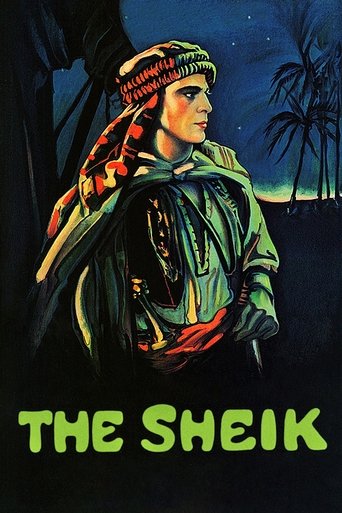
- Earlier Orientalist films like 'The Sheik' (though released later, the genre was already developing)
- Stage melodramas with exotic settings
- Literary Orientalism from the 19th century
- Tod Browning's fascination with the dark and unusual
This film influenced
- Later Orientalist melodramas of the 1920s
- Tod Browning's subsequent exotic-themed films
- Universal's other Priscilla Dean vehicles
Film restoration
The Virgin of Stamboul is considered a lost film. No complete copies are known to exist in any film archives or private collections. The film was likely lost due to the deterioration of nitrate film stock, which was common for films from this era, or through studio archive clearances that occurred in the 1920s-1940s. Only a few production stills and promotional materials survive to give some indication of the film's visual content. Its loss is particularly significant for film historians studying Tod Browning's early career and the development of the Orientalist genre in American cinema.
Where to watch
- Unfortunately, this film is not available for viewing as it is considered lost. No known copies exist in any archives or collections. Film enthusiasts can only experience the film through surviving still photographs, promotional materials, and contemporary reviews that provide some sense of its content and style.